
 Ramos Leo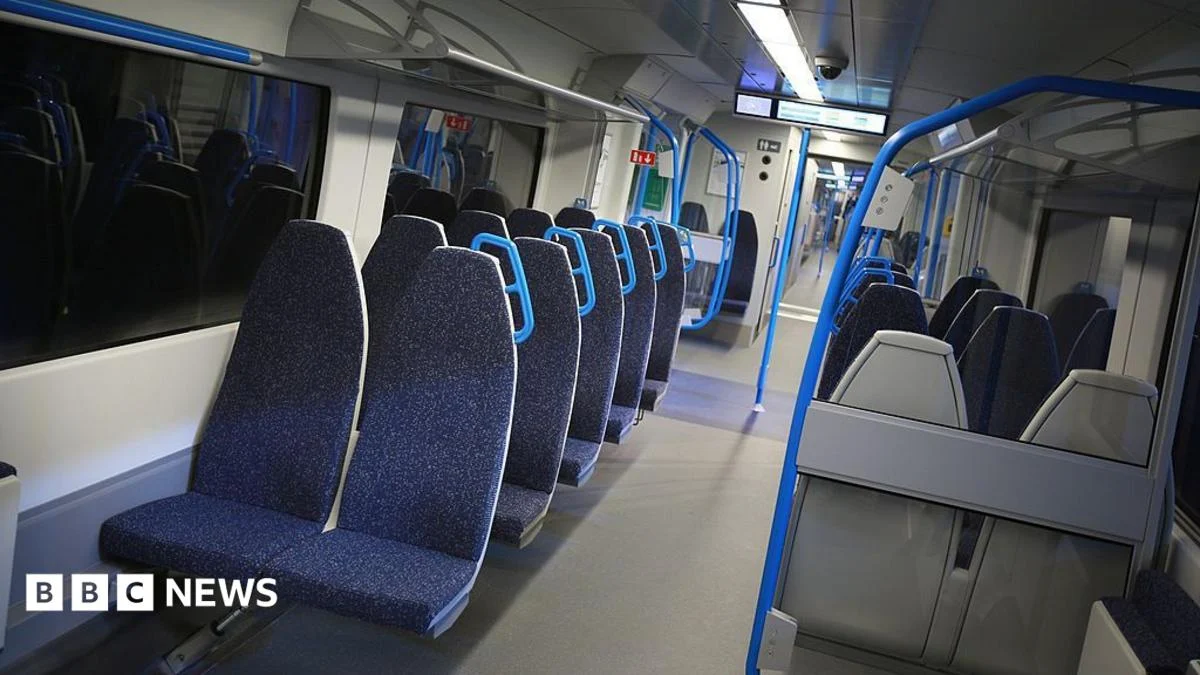
More than a decade after the UK government invested a substantial £1.6 billion of public funds into a new fleet of commuter trains, the notorious "ironing board" seats on Thameslink services are finally set to receive a much-needed upgrade. Transport Secretary Heidi Alexander announced that over 60,000 seats across all 115 Class 700 Thameslink trains will be re-cushioned and fitted with new backrests, addressing years of passenger complaints about their thin, hard, and uncomfortable design.
The extensive refurbishment programme is slated to commence in 2027 and is expected to take two years to complete. Alexander framed the initiative as a tangible benefit of the ongoing shift towards public ownership of the railways, specifically under the umbrella of the new Great British Railways (GBR) programme. "We’ll start getting rid of the dreaded ‘ironing board seats’ so passengers can enjoy comfier, more pleasant journeys on some of Britain’s busiest commuter routes," she stated, highlighting the government’s commitment to improving the passenger experience.
However, the announcement has also reignited scrutiny over the original procurement process for the Class 700 trains. Critics have pointed out the irony that the Department for Transport (DfT) awarded the £1.6 billion contract despite receiving explicit warnings about the anticipated discomfort of the seats at the time. This historical context casts a long shadow over what is otherwise presented as a positive development for commuters.
The genesis of the "ironing board" seats can be traced back to the DfT’s ambitious goals for the Thameslink network. The Class 700 trains, manufactured by German giant Siemens, were commissioned in 2013 following a bidding process that began as early as 2008. When they were progressively rolled out between 2016 and 2019, the DfT heralded them as "state-of-the-art" and "a fantastic deal" for taxpayers. Yet, the emphasis during their design and procurement was heavily placed on maximising capacity and reducing weight, factors which, many argue, directly led to the compromised seat comfort.
According to the DfT’s own procurement guidance document for the fleet, seen by the BBC, the new electric trains were explicitly required to be "high capacity" and of "reduced weight." The document stipulated a design that "must cater for [about] 1,000 people to board or alight at one time" and a "2+2 seat layout to ease flow and provide standing space." This directive, aimed at accommodating the sheer volume of commuters on some of Britain’s busiest routes, inadvertently created the conditions for the thinly cushioned seats that would later become a source of widespread passenger dissatisfaction. The prevailing theory is that the need to maximise standing room and facilitate rapid boarding and alighting directly necessitated the slimline, hard seat design, which offers minimal intrusion into the gangway space.
The warnings about passenger comfort were not merely theoretical. Two years before the Class 700 trains entered public service, a prototype was unveiled at London’s Excel centre in 2014. A panel of volunteer experts from Railfuture, the UK’s leading independent rail passenger campaign group, conducted a thorough assessment. Their findings were stark and prescient. In a detailed report, they warned: "We found the seats very hard and imagine this will soon lead to complaints from passengers, particularly bearing in mind that some journeys on these trains will be up to 130 miles long such as Peterborough or Cambridge or Bedford to Gatwick & Brighton and taking over two hours."
Railfuture’s report unequivocally concluded that passenger comfort was "severely compromised" and strongly urged "reconsideration of the design before series production takes place." Despite these emphatic recommendations from an authoritative passenger advocacy group, production of the trains went ahead without any redesign of the seats. The DfT’s defence for this decision has been that renegotiating a private sector contract of such magnitude was not possible until the Greater Thameslink Railway (GTR) came into public ownership, which occurred in May 2026. This timeline suggests a significant delay in addressing a known issue, highlighting the complexities and limitations of private sector contracts within public transport infrastructure.
The recent announcement by Transport Secretary Alexander directly links the seat upgrades to this shift in ownership. Greater Thameslink Railway, which operates Thameslink services, transitioned into public ownership earlier this year, paving the way for what the DfT describes as more flexible and passenger-centric decision-making. Alexander emphasised that the work was "public ownership of our railways in action," suggesting that the government now has the direct leverage to implement changes that were previously unfeasible.
However, this narrative has not gone unchallenged. Graeme Pickering, a senior correspondent at Railway Magazine, took to social media platform X to offer a critical perspective. Responding to Alexander’s post praising the re-cushioning project, Pickering wrote: "Might have been wise not to frame this as ‘public ownership fixes private sector mess’ when it was the DfT which procured said trains." This sentiment underscores a common criticism: that the government is attempting to absolve itself of responsibility for initial design flaws by attributing the fix to public ownership, despite the DfT’s direct involvement in the original procurement.
Adding to the political discourse, Shadow Transport Secretary Richard Holden offered a contrasting view on the performance of nationalised services. He claimed that "promises of improvement" were instead leading to "fewer trains, fewer seats, and more delays," a broad critique that extends beyond the specific issue of seat comfort but reflects ongoing concerns about the state of the railway network.
Beyond the seat upgrades, the announcement outlined several other planned improvements for the Thameslink network. These include an increase in Gatwick Express services, set to take effect from December, and a broader programme to refurbish train toilets and remove graffiti across the entire fleet. These measures collectively aim to enhance the overall passenger experience on a network that serves a vast and diverse commuter base across the South East, including Sussex, Surrey, and parts of Kent.
John Whitehurst, Chief Executive of GTR, confirmed that passenger feedback has been a critical driver behind these plans. "Our customers told us that comfort matters, which was why we’d been working on plans to improve seating on Thameslink services," he stated, reinforcing the idea that passenger voice is now playing a more direct role in service enhancements. The BBC understands that more detailed information regarding the contract negotiations for the new cushions, including potential costs, will be released in the autumn.
The decision to replace the "ironing board" seats represents a significant concession to passenger comfort and a rectification of a design choice that proved deeply unpopular. While the initial £1.6 billion investment provided a modern fleet, the long-standing issue of seat discomfort has been a persistent blot on its record. The upcoming refurbishment, even if delayed by over a decade, signals a renewed focus on the passenger experience, albeit one framed within a broader political narrative about the role of public ownership in the UK’s railway system. It also serves as a potent reminder of the long-term consequences of initial design and procurement decisions in major public infrastructure projects, particularly when passenger comfort is weighed against capacity and cost-efficiency.

 George Anjay
 Nakalama John
 atisusanti
 Roy Suryo
 Nana Banana