
 George Anjay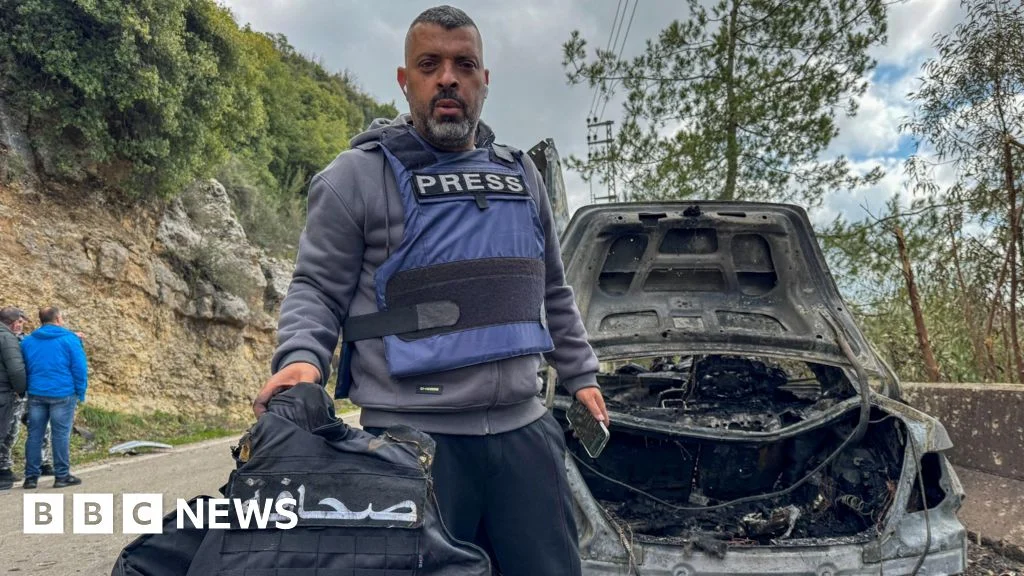
Three Lebanese journalists, working for prominent media outlets, were killed on Saturday in what their employers described as a targeted Israeli strike in southern Lebanon. The devastating incident, which occurred just before noon local time, claimed the lives of Ali Shoeib, a reporter for the Hezbollah-affiliated Al Manar TV, and Fatima Ftouni, a reporter, along with her husband and cameraman Mohamed Ftouni, from the channel Al Mayadeen. The vehicle carrying the journalists was struck in the town of Jezzine, a location previously considered less exposed to the intense cross-border hostilities.
The Israel Defense Forces (IDF) confirmed its involvement in the strike, identifying Ali Shoeib as a "terrorist" and a member of Hezbollah’s elite Radwan Force. The IDF stated that Shoeib had "operated for years under the guise of a journalist," accusing him of actively working to "expose the locations of IDF soldiers operating in southern Lebanon and along the border." They further alleged that he had utilized his journalistic position to "disseminate Hezbollah propaganda materials," particularly during the ongoing conflict. The IDF statement, however, did not address the deaths of Fatima and Mohamed Ftouni.
The killings have triggered widespread condemnation from Lebanese officials. Lebanese President Joseph Aoun denounced the strike as a "brazen crime" that violated "the most basic rules" of international law, emphasizing that reporters are civilians undertaking a professional duty. Prime Minister Nawaf Salam echoed these sentiments in a statement on X, branding the attack a "flagrant violation of international humanitarian law and a clear breach of the rules that guarantee the protection of journalists in times of war."
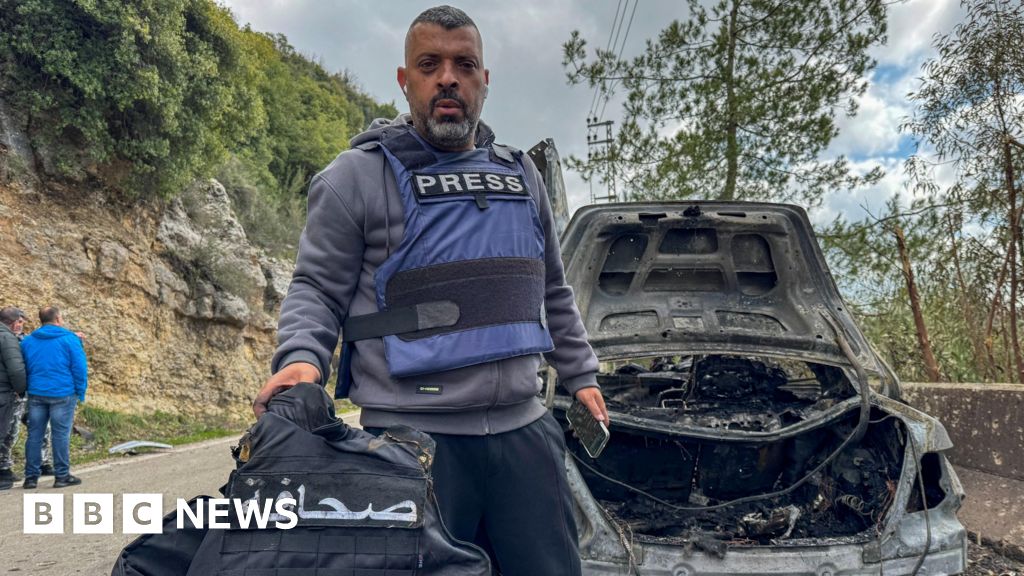
This tragic event marks the second time in recent weeks that Israel has faced accusations of targeting journalists in Lebanon amidst the escalating conflict. On March 18, Al Manar TV reported the deaths of its presenter Mohammad Sherri and his wife in an Israeli strike that hit their home in Beirut while they were asleep. These incidents raise grave concerns about the safety of media personnel operating in the volatile region.
The conflict in southern Lebanon, which has intensified following the outbreak of the US-Israel war against Iran, has had a devastating impact on the civilian population. According to the Lebanese Ministry of Health, more than 1,100 civilians, including 120 children and 42 paramedics, have lost their lives in Lebanon since the current hostilities began. The displacement of over a million people has further exacerbated an already dire humanitarian crisis in the country.
Many in Lebanon fear that Israel is employing tactics similar to those it has been accused of in Gaza, including the deliberate targeting of civilians, journalists, and medical personnel. Israel has consistently denied these allegations. The current escalation follows a period of relative calm after a ceasefire agreement was reached in November 2024. Under this agreement, both Israel and Hezbollah were expected to withdraw from their positions in the south. While some progress was made, the implementation was partial. Israel maintained several military posts and continued to conduct regular attacks on what it claimed were Hezbollah targets, citing the group’s alleged efforts to rearm and re-establish its presence.
The recent surge in hostilities is believed to have been triggered by the killing of Iran’s supreme leader at the beginning of the current conflict. In retaliation, Hezbollah launched rockets into northern Israel, citing both the leader’s death and continued Israeli attacks since the ceasefire. In response, Israel has intensified its operations in the region, stating that its objective is to protect communities in northern Israel from attacks by Hezbollah militants.
The killing of journalists in conflict zones is a critical issue that undermines the ability to report on unfolding events and inform the public. International law, including the Geneva Conventions, provides specific protections for journalists engaged in dangerous professional missions in areas of armed conflict. These protections are crucial to ensuring that the world remains aware of the human cost of war. The targeting of media personnel not only endangers their lives but also creates a chilling effect on freedom of the press, a cornerstone of democratic societies.
The international community has repeatedly called for adherence to international humanitarian law and the protection of civilians and journalists in conflict zones. Organizations such as the Committee to Protect Journalists (CPJ) have documented a significant increase in journalist fatalities in recent conflicts, highlighting the urgent need for greater accountability and measures to ensure the safety of those reporting from the front lines. The incidents in Lebanon underscore the ongoing risks faced by journalists and the importance of upholding international standards for their protection.
The situation on the Lebanese-Israeli border remains highly volatile. The cross-border exchanges of fire have led to significant destruction and displacement, deepening the humanitarian crisis in Lebanon. The economic fallout from the conflict is also severe, impacting a country already struggling with a profound economic downturn. The ongoing hostilities threaten to further destabilize the region and have serious implications for regional security.
The deaths of Ali Shoeib, Fatima Ftouni, and Mohamed Ftouni represent a tragic loss for Lebanese journalism and a stark reminder of the perils faced by those who strive to bring news from conflict zones. Their work, like that of many other journalists, is essential for documenting events and providing a voice to those affected by war. The international community must continue to press for accountability and advocate for robust measures to protect journalists and ensure their safe passage in all conflict areas. The continued targeting of journalists is an attack on truth and a threat to informed public discourse. The condemnation from Lebanese officials reflects a deep sense of grief and outrage, coupled with a strong call for international intervention to uphold the principles of international law and protect those who serve the public by reporting the news, even in the face of extreme danger. The ongoing conflict demands a comprehensive approach that prioritizes de-escalation, humanitarian aid, and the protection of all civilians, including those who bravely report from the heart of the crisis.



 Nakalama John
 Roy Suryo
 atisusanti
 Ramos Leo