
 Ramos Leo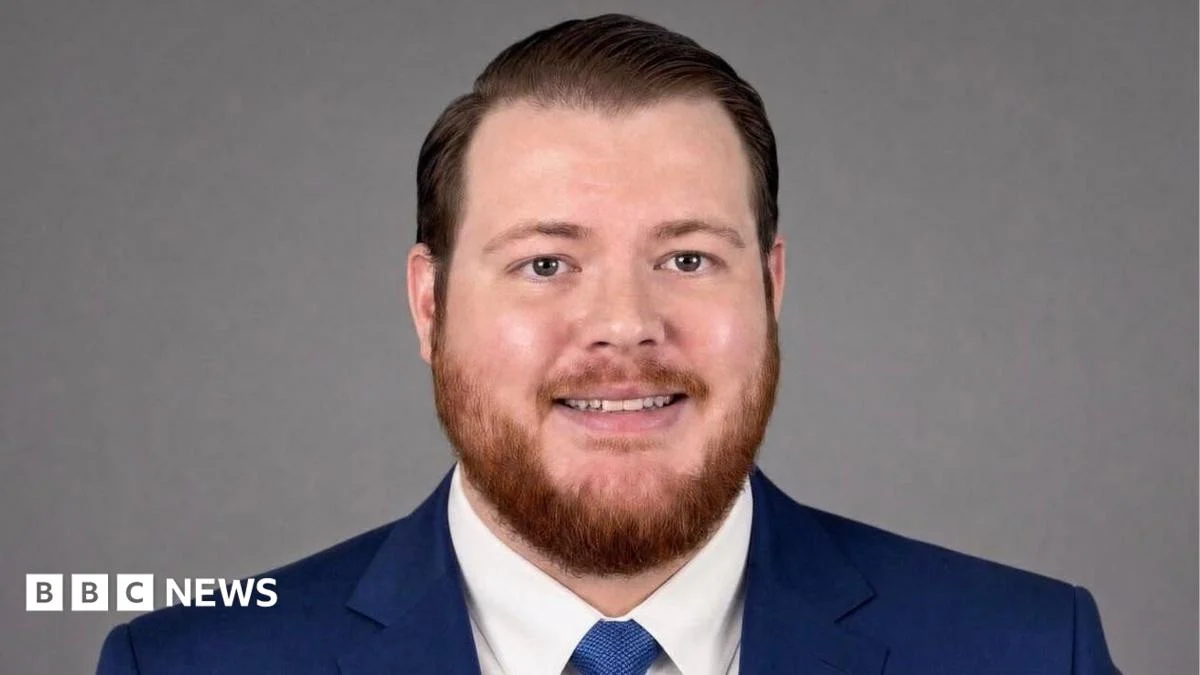
Bonehill-Paine, whose past includes serving prison sentences for neo-Nazi activism and antisemitic offences, has been chosen to stand for a seat on Somerset Council in 2027. This selection has drawn widespread criticism, particularly given the nature of his previous convictions. Despite the outcry, Kemi Badenoch, a senior Conservative figure, has publicly defended the decision, asserting the party’s belief in offering individuals a "second chance." Bonehill-Paine himself has described his past views as "indefensible" and claims to have undergone a significant transformation, now actively speaking out against extremism and engaging in counter-extremism work.
However, these explanations have done little to quell the indignation from Jewish groups. The Board of Deputies of British Jews, the largest and most authoritative representative body for the UK’s Jewish community, has been unequivocal in its condemnation. The Board has explicitly called for the Conservative Party to withdraw Bonehill-Paine’s candidacy, stating that his selection "beggars belief." The offer of a meeting with Bonehill-Paine has reportedly been extended to the Board, as well as the Jewish Leadership Council – another crucial communal organisation – and to the Chief Rabbi Sir Ephraim Mirvis, the spiritual head of Orthodox Judaism in the UK. The purpose of this proposed meeting is to allow these key figures to directly convey their concerns and engage in a dialogue regarding the controversial candidate.
Karen Newman, Vice President of the Board of Deputies, previously confirmed that the Board had contacted the Conservative Party immediately upon learning of Bonehill-Paine’s selection. Her communication urged the party not only to rescind his candidacy but also to undertake a thorough review of their candidate vetting processes, highlighting the serious questions raised about how an individual with such a documented history could be approved.
Bonehill-Paine’s criminal history is extensive and deeply troubling, particularly concerning his engagement with antisemitism and harassment. He was incarcerated for three years for publishing antisemitic material in advance of a planned neo-Nazi rally, demonstrating a clear intent to incite hatred. A year subsequent to this conviction, he faced further legal action and was convicted of racially harassing Luciana Berger, who at the time was a Labour Member of Parliament. Berger, who now sits in the House of Lords, has consistently spoken about the devastating impact of Bonehill-Paine’s actions on her life and career.
Reacting to the news of his selection via the social media platform X, Berger articulated the profound and sustained nature of his harassment. She stated that Bonehill-Paine had "published reams of deeply racist, misogynistic and pornographic material about me." In a subsequent interview with the BBC’s Today programme, she further elaborated on the enduring trauma, explaining, "I still live today with the profound and deep impacts of those events." Berger unequivocally argued that the "sustained campaign" of harassment he waged against her should, by any reasonable standard, disqualify him from holding public office. She stressed the necessity of maintaining a high "bar" for those seeking to represent the public, concluding that Bonehill-Paine "falls very, very short of that."
Beyond these high-profile cases of antisemitic and racial harassment, Bonehill-Paine’s criminal record also includes other convictions. These encompass charges for assaulting a police officer, burglary of a police station, and malicious communications, painting a picture of an individual with a history of serious legal transgressions that extend beyond hate-related offences.
His selection as the Tory candidate for the new Somerset Council seat of Crewkerne South in 2027 was announced on Tuesday. In a statement addressing his candidacy, Bonehill-Paine expressed a desire to "give back" to a community that he claims offered him support during his journey towards reformation. He attributes his change of heart and rejection of his extremist views to the murder of MP Jo Cox, an event that he says spurred him to undertake a de-radicalisation programme. He now actively participates in delivering counter-extremism sessions across the UK, presenting himself as a reformed individual committed to combating the very ideologies he once espoused. "When I was first released from prison in 2018," he stated, "I was supported by many of the people in my local community who understood that I had made some awful mistakes but was wanting to change my life around." This narrative positions him as a testament to the potential for rehabilitation.
Kemi Badenoch, in her defence of Bonehill-Paine, echoed this sentiment, framing his candidacy within the party’s philosophy of second chances. Speaking on Tuesday, Badenoch asserted that Bonehill-Paine "is spending every day working to solve the very problem which he knew he had caused previously." She highlighted his current work, stating, "He’s going up and down the country training people and the Conservative Party believes in second chances." Badenoch further distinguished Bonehill-Paine from other convicted criminals, arguing, "This is not just someone that we’ve picked up who is a convicted criminal – this is somebody who is actively working to help communities, especially Jewish communities." Her comments underscore the Conservative Party’s argument that Bonehill-Paine’s post-imprisonment efforts in de-radicalisation and counter-extremism demonstrate a genuine transformation worthy of consideration for public service.
However, this justification has failed to satisfy other political parties, who have joined the chorus of criticism. Adam Dance, the Liberal Democrat MP for Yeovil, a constituency that includes Crewkerne, publicly demanded that the Conservative Party provide a clear explanation for "why it believes this candidate is fit to serve." Similarly, a spokesperson for the Labour Party condemned the selection as "a total disgrace," reflecting a broader cross-party rejection of the Conservative’s stance.
The controversy surrounding Bonehill-Paine’s candidacy illuminates a complex debate about rehabilitation, accountability, and the standards required for public office. While the concept of a "second chance" is often valued in society, the specific nature of Bonehill-Paine’s past crimes – particularly the deeply personal and sustained harassment of a public figure, alongside his broader neo-Nazi activism – raises fundamental questions about trust and suitability for elected representation. The willingness of a major political party to back such a candidate, even with claims of profound personal change, sends a powerful message to communities that have been historically targeted by extremism. The offer of a meeting with Jewish groups represents an attempt by the Conservative Party to mitigate the damage and directly address the deep-seated concerns, but whether it will be sufficient to overcome the significant moral and political objections remains to be seen. The ongoing dialogue will inevitably test the boundaries of forgiveness and the requirements for ethical leadership within British politics.


 George Anjay
 Nakalama John
 atisusanti
 Roy Suryo
 Nana Banana