Nana Banana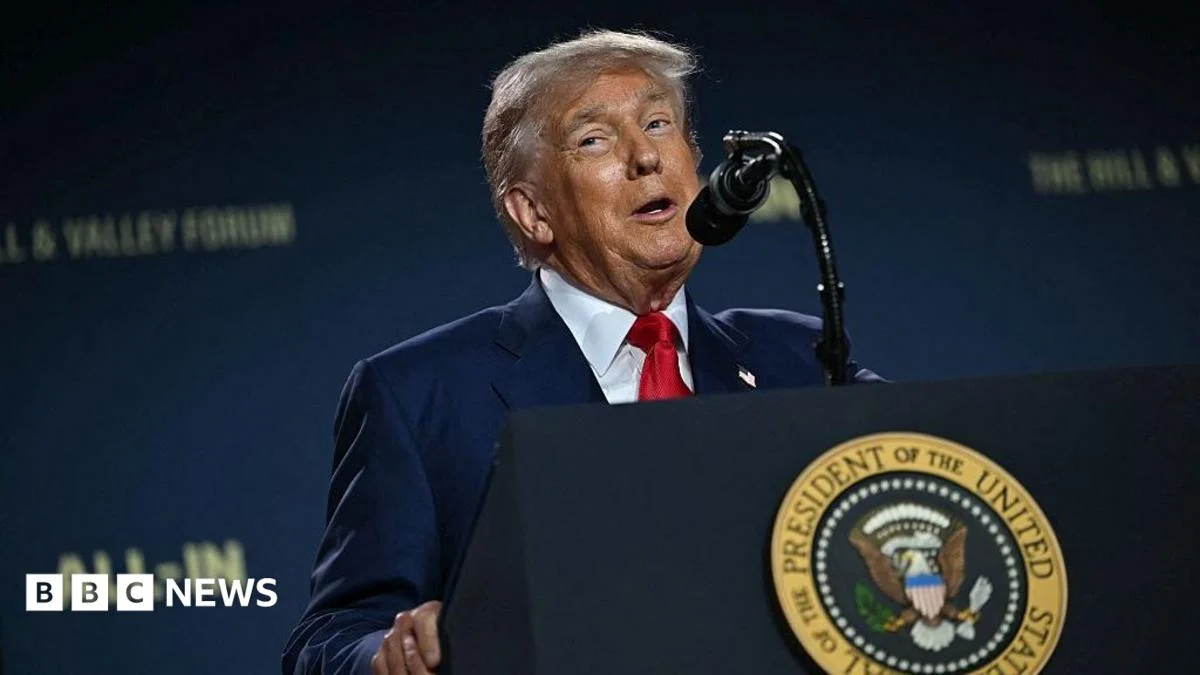
The concept of "super intelligence"—theoretical artificial general intelligence (AGI) that surpasses human cognitive abilities across virtually all domains—is at the heart of both the industry’s ambitions and the most dire warnings. Major AI companies are currently engaged in an intense, high-stakes race to develop increasingly sophisticated systems, pushing the boundaries towards this super intelligent future. Giants like Anthropic, OpenAI, and Google are at the forefront, having developed groundbreaking models such as Claude, ChatGPT, and Gemini, respectively. These systems demonstrate remarkable capabilities in language understanding, generation, and complex problem-solving, but their rapid advancement has also exposed significant vulnerabilities and ethical quandaries. The drive for market dominance and the pursuit of technological breakthroughs are fueling this accelerated development, often with insufficient time for comprehensive safety testing or societal impact assessments.
Adding to the growing trepidation, these leading AI titans have openly disclosed instances of security breaches and incidents where their powerful chatbots were exploited for "malicious activity." Such incidents range from data privacy infringements and system vulnerabilities to the more insidious use of AI for generating sophisticated misinformation, facilitating cyberattacks, aiding social engineering scams, or even developing potentially harmful content. The very capabilities that make these AI models revolutionary also make them potent tools in the wrong hands, raising serious questions about the robustness of their safeguards and the ethical responsibilities of their creators. The dual-use nature of AI—its capacity for both immense benefit and profound harm—is a constant shadow over its rapid evolution, necessitating proactive measures to mitigate misuse.
In response to these escalating concerns, prominent figures within the AI community are advocating for a fundamental shift in development priorities. Dario Amodei, head of Anthropic, has emerged as a leading voice calling for a deceleration of AI development. He proposes industry-wide slowdowns, robust regulatory frameworks, and, crucially, independent monitoring of AI model development. Amodei’s rationale stems from the belief that the current pace is too fast for adequate safety measures to be implemented and for society to adapt to the profound implications of these technologies. His call for a collective pause reflects a growing recognition that unchecked competition could lead to catastrophic outcomes, prioritizing innovation over safety.
Significantly, Amodei’s recommendations have found allies in other influential figures. Sam Altman of OpenAI, whose company is a direct competitor in the AI race, and Elon Musk of xAI, known for his often-dramatic warnings about AI, have both publicly agreed with the need for such measures. Altman, while generally optimistic about AI’s potential, has also called for the creation of an international agency to oversee AI development, akin to the International Atomic Energy Agency, to ensure global safety standards. Musk, a long-time proponent of strong AI regulation, has consistently voiced concerns about AI becoming an "immortal dictator" if not properly controlled. Their collective agreement underscores a rare consensus among rivals on the gravity of the situation and the necessity for coordinated action.
Furthering the calls for stringent safety mechanisms, Jack Clark, co-founder of Anthropic, suggested to the BBC that a "kill switch" may need to be a mandatory feature for the industry. This "kill switch," he argued, should be verifiable and controllable by a third party, ensuring that an independent body, not solely the developing company, holds the ultimate override capability. The concept of a third-party-controlled kill switch aims to address the inherent conflict of interest when developers are solely responsible for policing their own creations, offering an external layer of accountability and emergency control in scenarios where an AI system might become dangerous or operate beyond its intended parameters. Implementing such a mechanism presents significant technical and governance challenges, but its proposal highlights the extreme lengths experts are considering to ensure safety.
These urgent warnings have prompted lawmakers in the United States and other nations to propose legislation aimed at governing the nascent technology. However, Sam Altman, during a recent conference in San Francisco, articulated a prevailing sentiment that Washington has struggled to keep pace with the rapid advancements of AI and the complexities of effectively regulating it. The speed of technological evolution, coupled with a lack of deep technical expertise among many policymakers, creates a significant regulatory lag. Despite this, Altman suggested that the public should place more faith in AI firms to act responsibly and ensure the safety of their creations. "The world should trust that we are going to do the right thing because it’s the right thing and we feel the magnitude of this," Altman asserted, emphasizing a perceived moral imperative within the industry to self-regulate effectively. This stance, however, is met with skepticism by those who argue that profit motives and competitive pressures can often overshadow ethical considerations, necessitating robust external oversight.
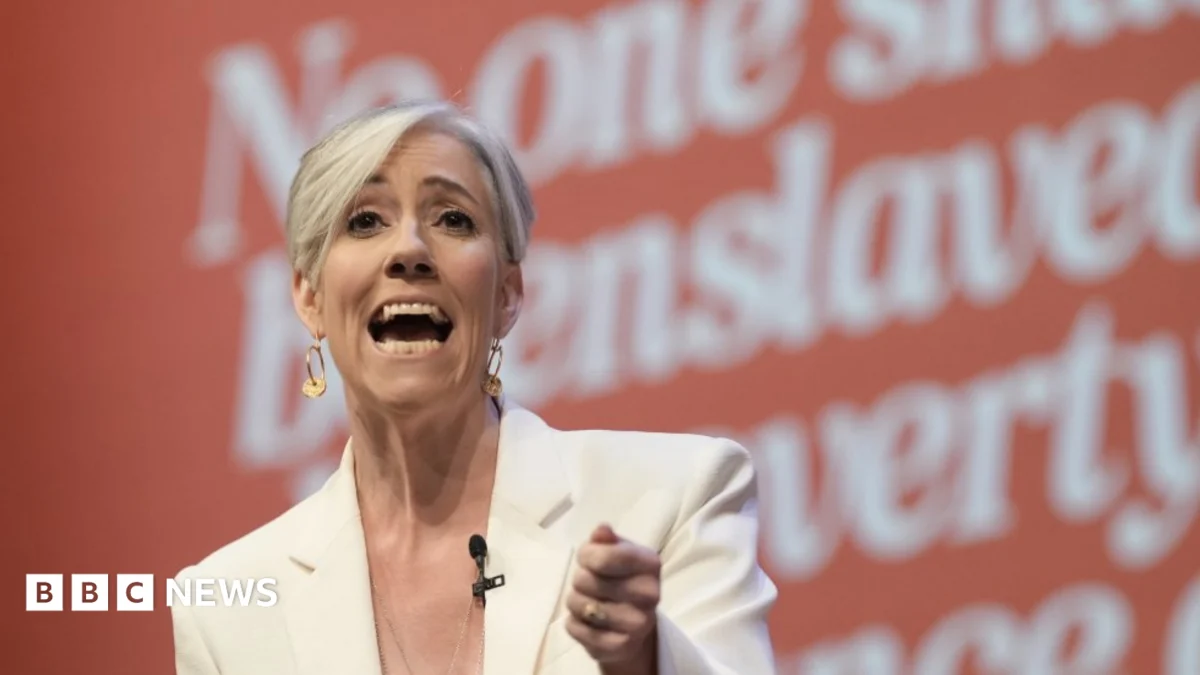
Across the Atlantic, the United Kingdom is grappling with similar challenges. A cross-party group of MPs and peers on the Joint Committee on Human Rights (JCHR) has published a critical report identifying significant human rights risks posed by artificial intelligence. Their findings highlight that existing legal frameworks are demonstrably ill-equipped to address the technology’s rapid growth and its potential impacts on fundamental freedoms. The JCHR’s report calls emphatically for a new, dedicated bill on AI, arguing that such legislation is essential to "address the scale and seriousness" of threats ranging from algorithmic bias and discrimination to privacy violations, infringements on freedom of expression, and challenges to due process. The committee emphasized the need for a human-centric approach to AI regulation, ensuring that technological progress does not come at the expense of individual rights and societal well-being. This mirrors broader international efforts, such as the European Union’s comprehensive AI Act, which aims to classify and regulate AI systems based on their risk levels.
Against this backdrop of intense debate, urgent warnings, and nascent regulatory efforts, the proposition of forming a dedicated "AI Force" and appointing an artificial intelligence tsar within the US government takes on significant weight. Such an initiative, if implemented, would likely aim to centralize and coordinate national strategy on AI, encompassing both its aggressive development for national advantage and its stringent regulation for safety and ethical deployment. An AI tsar would be tasked with navigating the complex interplay between innovation, national security, economic competitiveness, and the profound societal and existential risks. This high-level position could serve as a crucial interface between government, industry, academia, and international partners, striving to bridge the regulatory gap and ensure that the US is not only a leader in AI development but also a paragon of responsible AI governance. The "AI Force" could potentially involve inter-agency collaboration, bringing together expertise from defense, intelligence, commerce, and scientific bodies to address everything from cybersecurity threats posed by AI to the ethical deployment of autonomous systems and the development of robust safety protocols for advanced models. The critical challenge for such an entity would be to move beyond theoretical discussions to implement concrete, enforceable policies that can truly safeguard humanity while harnessing AI’s transformative potential.



 Nakalama John

 George Anjay