
 George Anjay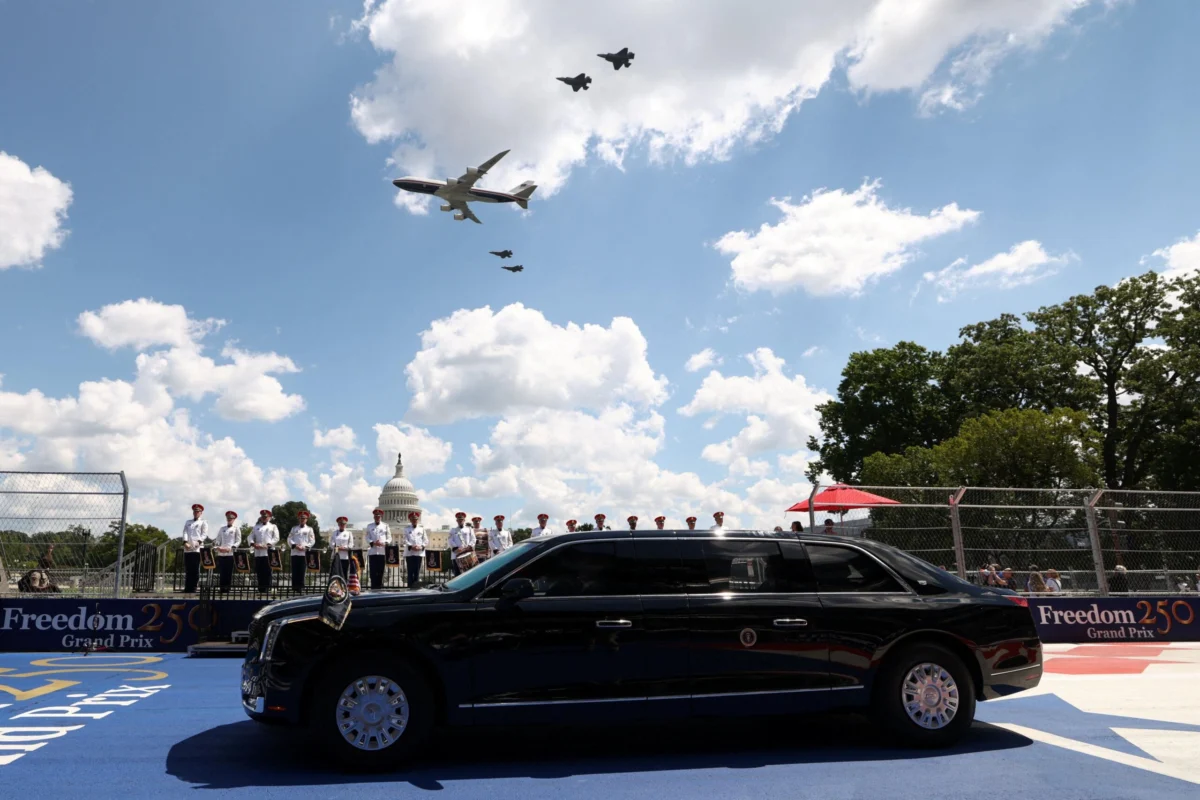
In a spectacle of speed and national pride, President Donald Trump officially kicked off the inaugural Freedom 250 Grand Prix, a groundbreaking IndyCar race that roared through the heart of Washington D.C. on Sunday. This electrifying event marked a significant milestone, serving as a centerpiece of the nation’s ongoing summer-long celebration of its 250th anniversary, drawing hundreds of thousands of spectators to the capital city. The thrilling race culminated in a victory for driver Kyle Kirkwood, who secured his seventh career IndyCar win, adding his name to the annals of this historic inaugural event.
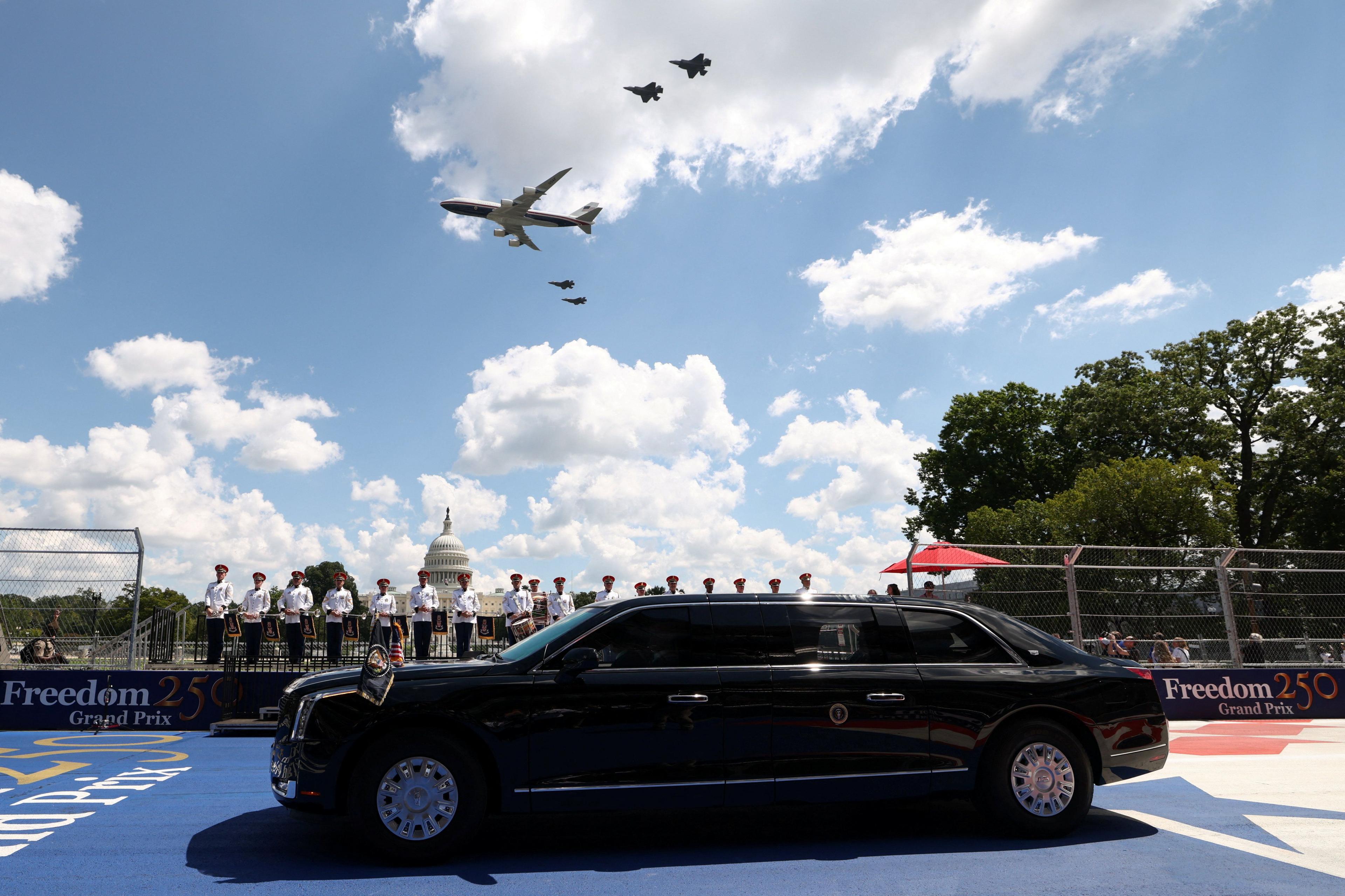
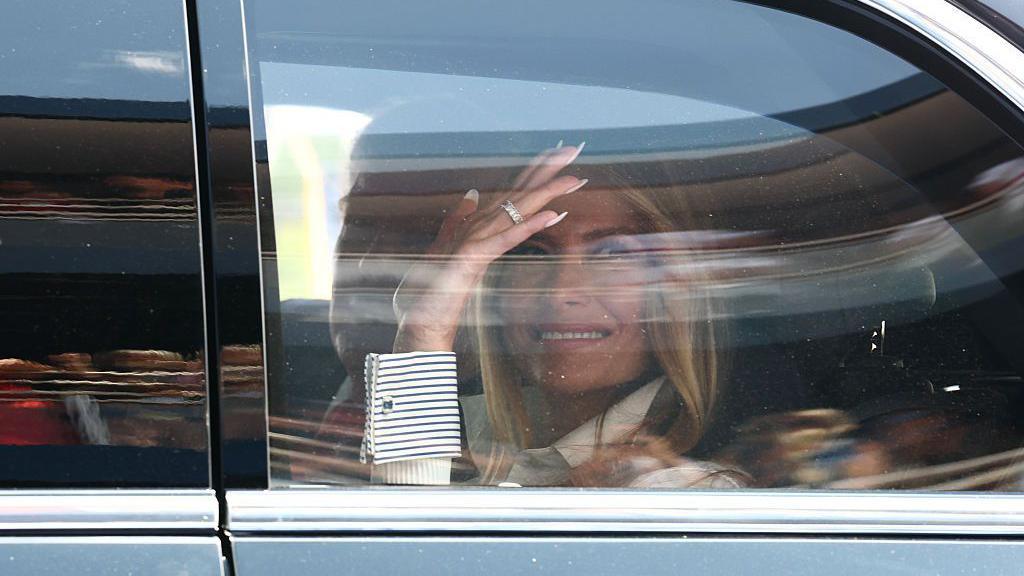
Before the thunderous roar of the engines filled the air, President Trump and First Lady Melania Trump embarked on a ceremonial lap of the challenging 1.7-mile street circuit in the heavily armored presidential limousine, affectionately known as "The Beast." As they traversed the track, a symbol of American power and innovation, the newly commissioned Air Force One performed a breathtaking flyover, its majestic silhouette soaring above the iconic cityscape, a powerful visual testament to the nation’s advancements. The Freedom 250 Grand Prix is a landmark event, representing the first time professional road racing has been hosted within the historic confines of the nation’s capital, transforming its familiar avenues into a high-octane battlefield.
The unique urban circuit, weaving through the capital’s iconic landmarks, presented a formidable challenge for the 25 professional drivers. Despite Washington D.C.’s notoriously low speed limit of 55 mph, the IndyCars reached astonishing speeds of up to 190 mph, creating a thrilling juxtaposition of controlled chaos against the backdrop of solemn monuments and esteemed museums. The 250-mile race, precisely mirroring the nation’s bicentennial anniversary, comprised 147 laps, punctuated by seven critical turns designed to test the drivers’ mettle and showcase the city’s grandeur. Spectators were treated to a high-speed panorama as the cars blazed past the Washington Monument and the Smithsonian museums lining the National Mall, culminating at a finish line framed by the majestic U.S. Capitol building.
The BBC’s Helena Humphrey, having experienced a test drive of the track earlier in the week, provided insights into the demanding nature of the circuit. The IndyCar series, akin to Formula 1 in its open-wheel, single-seater racing format, distinguishes itself with its engine manufacturers. While F1 teams meticulously design and build their own chassis, IndyCar relies exclusively on engines supplied by Chevrolet or Honda, fostering a unique competitive environment centered on driver skill and team strategy.
Organizers projected an attendance of approximately 140,000 people for the Freedom 250 Grand Prix, with a significant portion of attendees receiving complimentary general admission tickets through a carefully managed lottery system. For those seeking a more exclusive experience, premium packages were available for purchase, with a pair of passes fetching as much as $5,000, underscoring the high demand for this unprecedented event. The logistical and security undertaking for the city was immense, necessitating widespread road closures, the bolting down of manhole covers to prevent any hazards, and extensive road resurfacing to ensure the safety and integrity of the track. The proximity to Ronald Reagan Washington National Airport, primarily handling domestic flights, led to a three-hour airspace closure to facilitate the crucial U.S. military flyover, a testament to the scale of the event.
The National Gallery of Art, acutely aware of the potential impact of the powerful engines, conducted rigorous vibration tests to safeguard its invaluable collection, ensuring that even priceless masterpieces could withstand the sonic assault. On race day, however, the overwhelming roar of excitement and celebration seemed to overshadow any potential concerns. Many who lined the circuit were elated lottery winners, creating a vibrant atmosphere. Attendees donned patriotic attire, with some sporting Uncle Sam hats and one woman even embodying the spirit of the nation as the Statue of Liberty. Families had journeyed from across the country, united by the prospect of witnessing what many considered a once-in-a-lifetime spectacle.
American driver Josef Newgarden, reflecting on the significance of the event, shared his profound appreciation with the BBC. "It’s super unique. You might never see this again, and as an American driver, it’s very special celebrating the 250th anniversary of the country," he remarked. "It’s a beautiful city, and it’s very surreal." This sentiment echoed the broader feeling of national pride and historical commemoration that permeated the event.
The Freedom 250 Grand Prix is part of a series of high-profile summer events designed to galvanize national spirit and showcase American achievements. Earlier in the summer, President Trump had hosted an Ultimate Fighting Championship event on the White House lawn and a spectacular fireworks display on the Fourth of July, further cementing the administration’s commitment to celebrating the nation’s heritage.
Despite the excitement, the race was not without its incidents. Driver David Malukas’ car was seen being carried out of the track after a crash, a stark reminder of the inherent risks involved in high-speed motorsport. Similarly, pit crews were in constant motion, managing quick tire changes and adjustments for drivers like Felix Rosenqvist, showcasing the intricate teamwork and precision required at every stop.
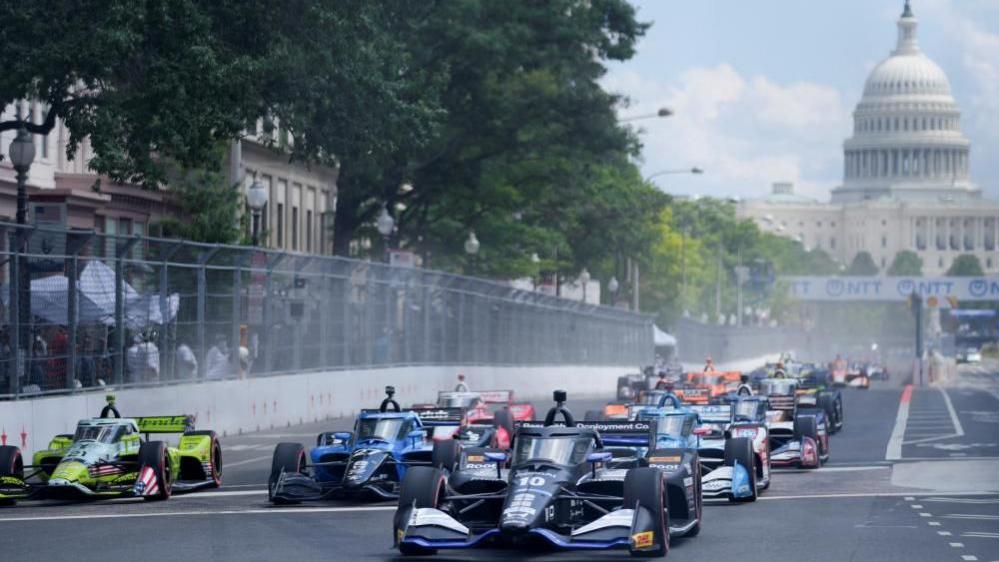
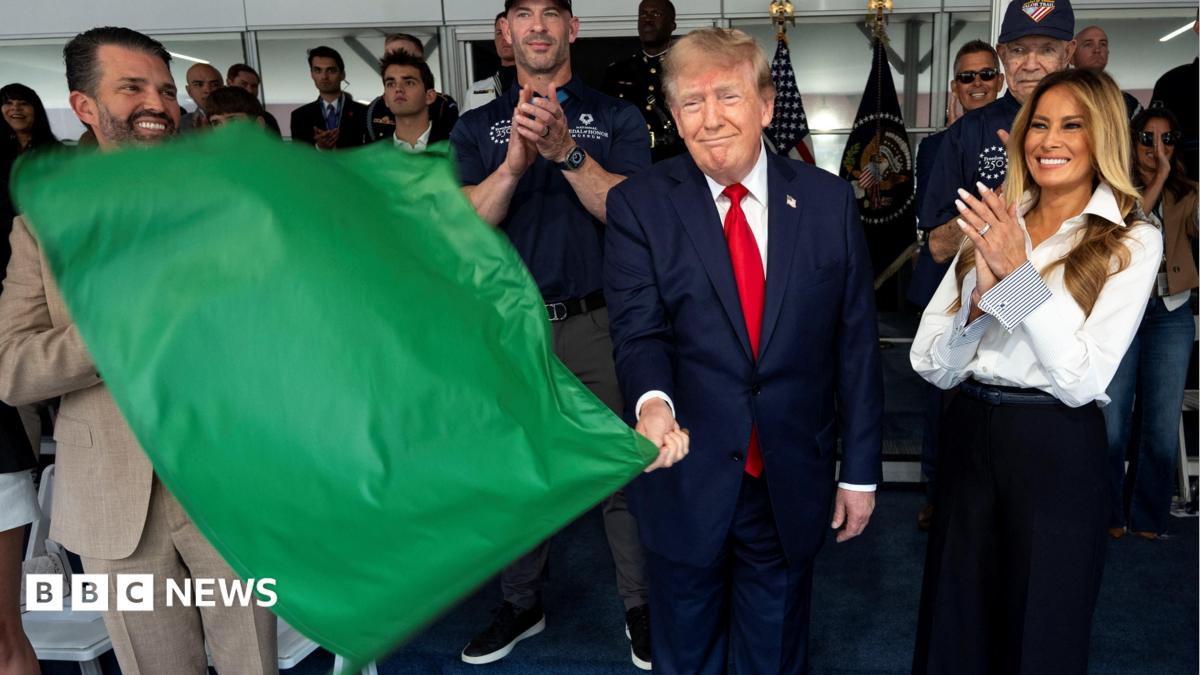
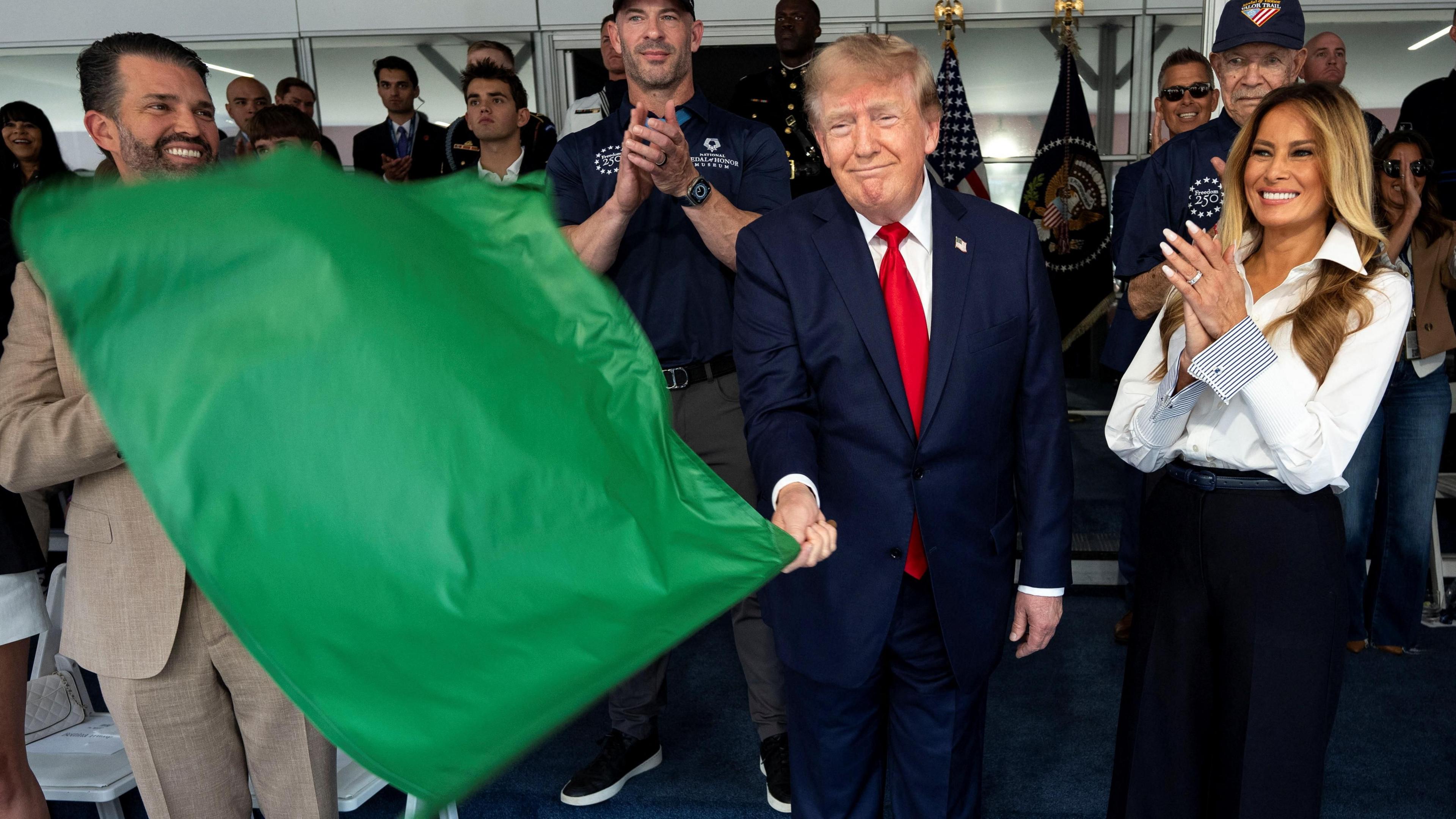
The presence of President Trump, waving the green flag to commence the race, symbolized a powerful endorsement of the event and its patriotic undertones. The juxtaposition of the nation’s highest officeholder with the high-octane world of professional racing created a memorable image, capturing the spirit of innovation, speed, and celebration that defined the Freedom 250 Grand Prix. The event not only provided thrilling entertainment but also served as a potent reminder of the nation’s resilience, progress, and enduring spirit as it approached its 250th year. The successful execution of such a complex event in the heart of the capital city underscored the collaborative efforts of various agencies and highlighted the growing appeal of motorsports within the American cultural landscape.

 Nakalama John
 atisusanti
 Ramos Leo
 Roy Suryo
 Nana Banana