George Anjay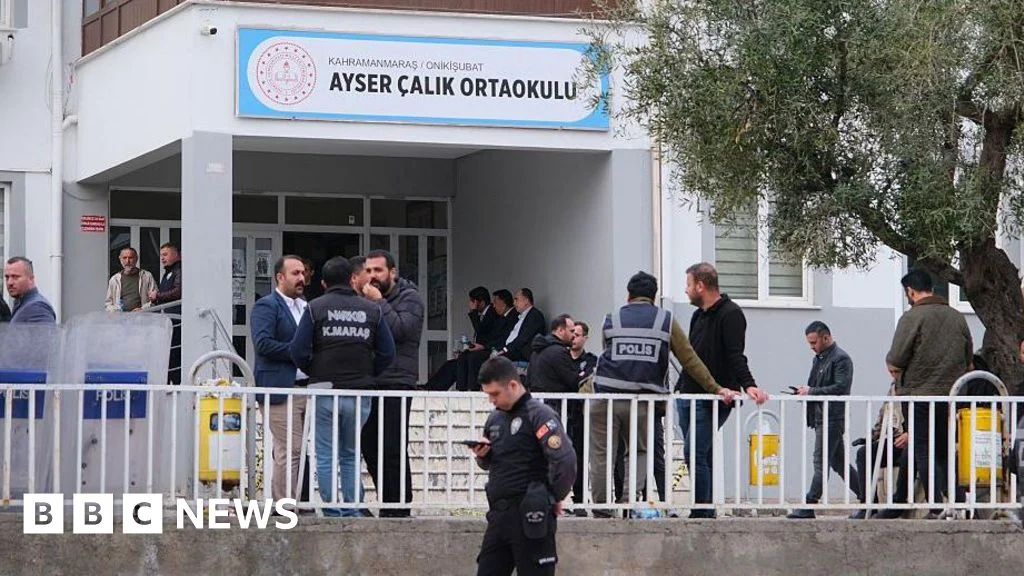
In a swift and decisive crackdown on online incitement, Turkish police have ordered the arrest of 83 individuals accused of glorifying recent school shootings through their social media activities. The operation, launched following two tragic incidents that have shaken southern Turkey, targets those deemed to have "engaged in posts and activities praising crime and criminals and negatively affecting public order." Authorities have also taken significant steps to curb the spread of such harmful content online, blocking access to 940 social media accounts and shutting down 93 Telegram groups.
The wave of arrests comes in the wake of a devastating shooting at Ayser Calik Secondary School in the Kahramanmaras province, which resulted in the deaths of at least eight students and one teacher. Thirteen other individuals sustained injuries, with six reported to be in critical condition. The perpetrator, a 14-year-old student, was also killed during the incident. Investigations by the local prosecutor’s office have revealed that the attack was premeditated, with digital evidence found on the suspect’s computer, including a document dated April 11, 2026, indicating an intention to carry out a "major operation in the near future."
Further investigation into the suspect’s online presence revealed a chilling connection to a notorious American mass killer. Police reports indicate that the 14-year-old had referenced Elliot Rodger, the perpetrator of the 2014 Isla Vista killings in California that left six people dead before he took his own life, on his WhatsApp profile. This detail underscores the growing concern over the internationalization of violent ideologies and the potential for inspiration drawn from such individuals.
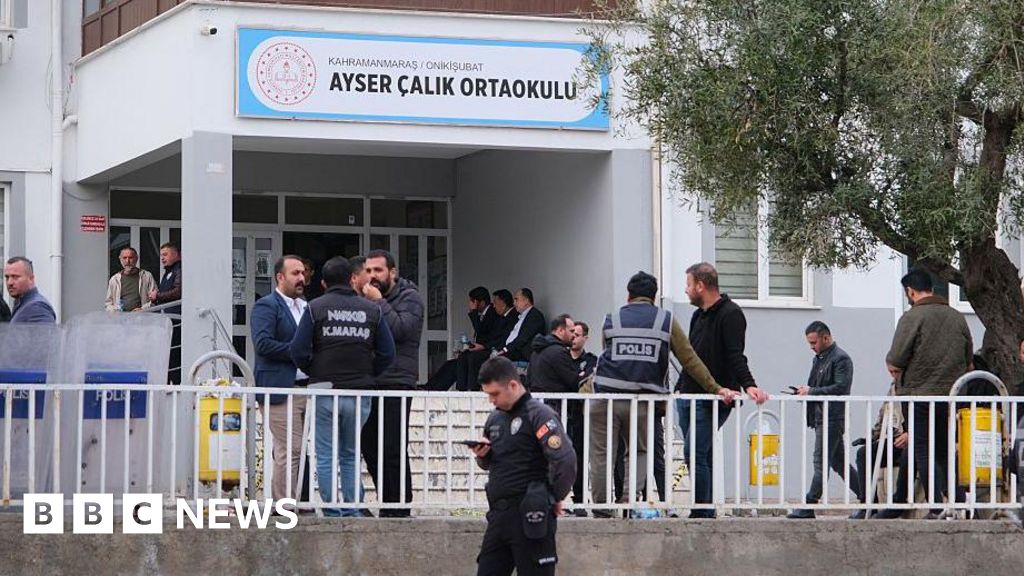
Turkish media reports suggest the attacker entered two classrooms armed with five firearms and seven magazines, highlighting the lethal capacity of the assault. The devastating impact of the shooting has been deeply felt within the community. In a poignant account shared with the BBC, the aunt of a victim recounted the agonizing moment she learned of her 10-year-old niece’s death, her name being read out during news reports. The scale of the tragedy has led to widespread grief, with funeral prayers for four of the victims scheduled to be held on Thursday at the city’s main mosque, expected to be attended by three Turkish government ministers.
This incident is the second school shooting to rock Turkey in a matter of days. Just two days prior, on Tuesday, an ex-student opened fire at the Ahmet Koyuncu Vocational and Technical Anatolian High School in the Siverek district, injuring 16 people. The attacker, described as being in his late teens, reportedly fired "indiscriminately with a shotgun" before ending his own life with the weapon, according to local governor Hasan Çildak. The governor’s statement emphasized the random nature of the violence and the tragic self-inflicted end of the perpetrator.
The series of violent events has ignited a national conversation about gun control, mental health, and the role of online platforms in the dissemination of violent ideologies. The Turkish government’s firm stance against any form of online praise for such acts reflects a broader concern about maintaining public order and preventing the normalization of violence. The rapid response by law enforcement, including the identification and targeting of online perpetrators, signals a commitment to prosecuting those who exploit tragedies to spread hate and glorify violence.
The investigation into the Ayser Calik Secondary School shooting is ongoing, with authorities working to understand the full extent of the suspect’s motives and any potential accomplices or influences. The focus on digital footprints highlights the evolving landscape of criminal investigation in the age of social media, where online actions can have severe real-world consequences. The blocking of accounts and groups suggests a strategy aimed at disrupting networks that may foster or encourage such violence.
The reference to Elliot Rodger by the 14-year-old attacker is particularly concerning. Rodger’s manifesto, "My Twisted World," detailed his feelings of isolation, entitlement, and rage, and has been cited as an inspiration for other mass shootings. The fact that a young student in Turkey was aware of and seemingly emulated Rodger’s actions points to a dangerous global trend of radicalization through online content. This underscores the need for a multi-faceted approach to combating gun violence, one that includes not only law enforcement and mental health support but also robust digital literacy programs and content moderation efforts.
The proximity of the two school shootings, occurring within days of each other, has amplified public anxiety and led to calls for more stringent security measures in educational institutions across the country. The government’s response, particularly the swift action against online incitement, is likely intended to reassure the public and demonstrate a proactive approach to preventing further tragedies. However, the underlying issues that contribute to such violence – including potential social alienation, access to weapons, and the influence of extremist ideologies – remain complex challenges that require sustained attention and comprehensive solutions.
The arrests are a stark reminder of the power of the internet to amplify both positive and negative messages. While social media can be a tool for connection and information sharing, it can also be a breeding ground for hatred and extremism. The Turkish authorities’ actions send a clear message that online speech that incites or glorifies violence will not be tolerated. The scale of the operation, involving the identification and targeting of hundreds of online accounts and groups, indicates a significant investment in cyber-crime investigation and a recognition of the pervasive nature of online threats.
As the investigations continue, the focus will likely remain on identifying the full scope of the online networks involved and understanding the motivations behind the glorification of these tragic events. The hope is that these arrests will serve as a deterrent to others who might consider engaging in similar behavior, thereby contributing to a safer online and offline environment for all. The future of school safety and the prevention of gun violence in Turkey, and indeed globally, will depend on a continued commitment to addressing the complex interplay of societal factors, individual psychology, and the pervasive influence of digital technologies.


 Nakalama John
 Ramos Leo
 Nana Banana