
 Ramos Leo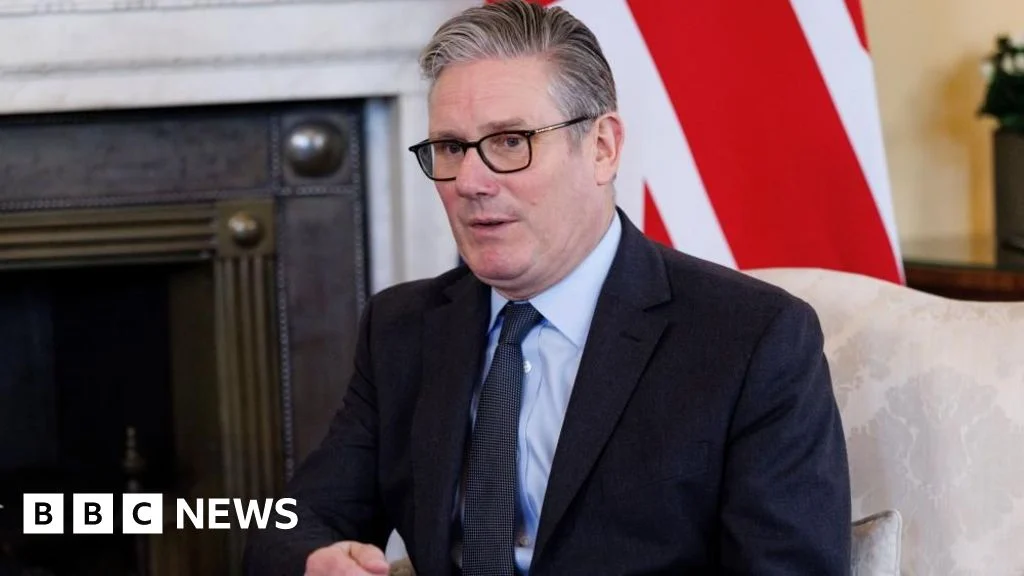
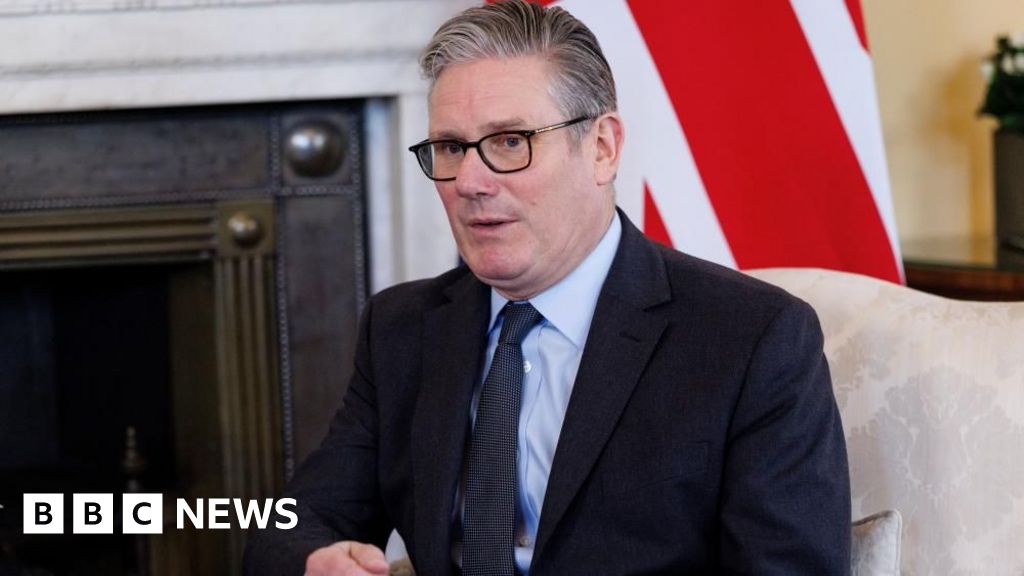
Previously, Prime Minister Sir Keir Starmer’s government had maintained a more cautious stance, permitting US forces to utilize UK bases solely for defensive measures aimed at preventing Iran from firing missiles that directly jeopardized British interests or personnel. This policy reflected a desire to avoid deeper entanglement in regional conflicts while still upholding an alliance with the United States. However, a declaration from Downing Street on Friday confirmed a significant expansion of these parameters, now allowing strikes to protect commercial and military vessels navigating the Strait – a lifeline for global oil supply. The government justified this escalation under the principle of "collective self-defence," arguing that the persistent threats to international maritime traffic necessitated a more robust response.
The move has drawn swift and sharply contrasting reactions from international leaders and domestic political figures. US President Donald Trump, known for his direct approach, voiced his dissatisfaction, stating the UK "should have acted a lot faster." He implied that the delay was uncharacteristic given the historically strong US-UK relationship. Conversely, Iran’s foreign minister, Seyyed Abbas Araghchi, vehemently condemned the decision, asserting that Sir Keir was "putting British lives in danger" through his cooperation with Washington, and vowed that Iran would exercise its right to self-defence.
Despite the expanded mandate for US operations from UK soil, Downing Street has reiterated that the UK itself will not be directly involved in the kinetic strikes. A spokesperson emphasized that "the principles behind the UK’s approach to the conflict remain the same," suggesting a continued effort to manage the conflict’s scope while supporting a key ally. This distinction, however, has done little to assuage critics who view the decision as a dangerous escalation.
The domestic political landscape immediately flared up. Kemi Badenoch, leader of the Conservative Party, seized upon the announcement, branding it the "mother of all U-turns" in a post on social media platform X. Her comments underscored the perceived reversal of Starmer’s earlier, more restrained foreign policy stance, potentially opening the Labour government to accusations of inconsistency and weakness on the global stage. The Liberal Democrats also expressed profound concern, with foreign affairs spokesman Calum Miller warning that the government’s decision indicated the UK was "being drawn further and further down Trump’s slippery slope." Miller’s remarks highlighted anxieties about the erosion of British foreign policy independence and the risk of becoming enmeshed in a broader US-led confrontation. He vehemently called for Sir Keir to allow Parliament to vote on the precise terms of the agreement governing the US use of UK bases, emphasizing the need for democratic oversight on such a critical foreign policy shift. Echoing these sentiments, Green Party leader Zack Polanski characterized the development as "another worrying escalation" and likewise demanded that Members of Parliament be given a vote on the UK’s involvement, stressing the potential for wider destabilization.
The UK bases designated for use by the US in this expanded capacity include RAF Fairford in Gloucestershire, a strategic air base frequently used by US heavy bombers and intelligence aircraft, and Diego Garcia in the Indian Ocean, a remote but critically positioned outpost that serves as a vital logistics and operational hub for US military power projection in the Middle East and beyond. Both bases offer unparalleled strategic advantages for operations in the region.
Speaking to reporters, President Trump elaborated on his earlier remarks, stating, "It’s been a very late response from the UK. Surprised because the relationship is so good but this has never happened before. They were really pretty much our first ally all over the world." His comments reflected a long-standing frustration with what he perceived as insufficient international cooperation in confronting Iranian aggression. Earlier, Trump had controversially labeled NATO allies "cowards" for their reluctance to deploy warships to help reopen the Strait of Hormuz, suggesting that reopening the critical shipping channel would be a "simple" military task involving "little risk." These statements, while perhaps designed to project confidence, have been met with skepticism by military strategists who understand the complex and dangerous nature of naval operations in a contested strait.
The strategic imperative behind the US request and the UK’s subsequent agreement centers on the Strait of Hormuz, a narrow waterway connecting the Persian Gulf with the Arabian Sea. This choke point is arguably the world’s most critical oil transit route, with approximately 138 ships passing through it daily before the recent escalation, carrying roughly one-fifth of the global oil supply, according to the Joint Maritime Information Centre. The Strait has been effectively closed off by the persistent threat of Iranian attacks, launched in retaliation for a significant US-Israeli bombing campaign targeting Iranian assets and proxies in the wider region. This closure has created a severe bottleneck for international trade, threatening global energy markets and supply chains.
In response to this escalating crisis, UK military planners have already joined their counterparts at the US Central Command to explore various options for ensuring the safe passage of tankers through the strait. These discussions likely involve intricate logistical planning, intelligence sharing, and coordination of potential military actions to neutralize Iranian threats.
A Downing Street spokesperson provided further detail on Friday’s ministerial discussions, stating, "They agreed that Iran’s reckless strikes, including on Red Ensign vessels and those of our close allies and Gulf partners, risked pushing the region further into crisis and worsening the economic impact being felt in the UK and around the world." The reference to "Red Ensign vessels" – ships registered under the British flag – underscores the direct threat perceived by the UK to its national maritime interests. The spokesperson confirmed that "the agreement for the US to use UK bases in the collective self-defence of the region includes US defensive operations to degrade the missile sites and capabilities being used to attack ships in the Strait of Hormuz." This wording suggests a focus on disabling the infrastructure from which Iran launches its attacks, rather than broader punitive strikes. Despite this escalation, Downing Street reiterated that ministers desire "urgent de-escalation and a swift resolution to the war," indicating a hope that these targeted actions will deter further Iranian aggression and pave the way for a diplomatic solution.
The diplomatic fallout was immediate. In his account of a call with UK Foreign Secretary Yvette Cooper, Iran’s Foreign Minister Araghchi stated he had criticized the "negative and biased" approach of the UK and demanded an immediate cessation of any cooperation with the United States. This firm stance highlights Iran’s view of the UK as actively siding with an adversary. The Foreign Office, in turn, confirmed that Cooper had "condemned Iran’s reckless attacks" and its "disruption and closure of the Strait of Hormuz." A spokesperson added that she had also called for "an immediate comprehensive moratorium on all attacks on civilian infrastructure, including oil and gas installations," signalling the UK’s concern for broader regional stability and humanitarian impact.
Araghchi later amplified his condemnation on X, stating, "Ignoring his own people, Mr Starmer is putting British lives in danger by allowing UK bases to be used for aggression against Iran. Iran will exercise its right to self-defence." This stark warning carries an implicit threat of retaliation against British interests or personnel, potentially drawing the UK into a direct conflict with Iran, a prospect that deeply worries opposition parties and the wider public. The decision, therefore, represents a calculated gamble by the Starmer government, balancing its commitment to a vital alliance and international maritime security against the significant risks of regional escalation and domestic political backlash. The coming days and weeks will undoubtedly reveal the true cost and consequences of this momentous policy shift.




 Roy Suryo

 Nakalama John
 atisusanti
