
 Ramos Leo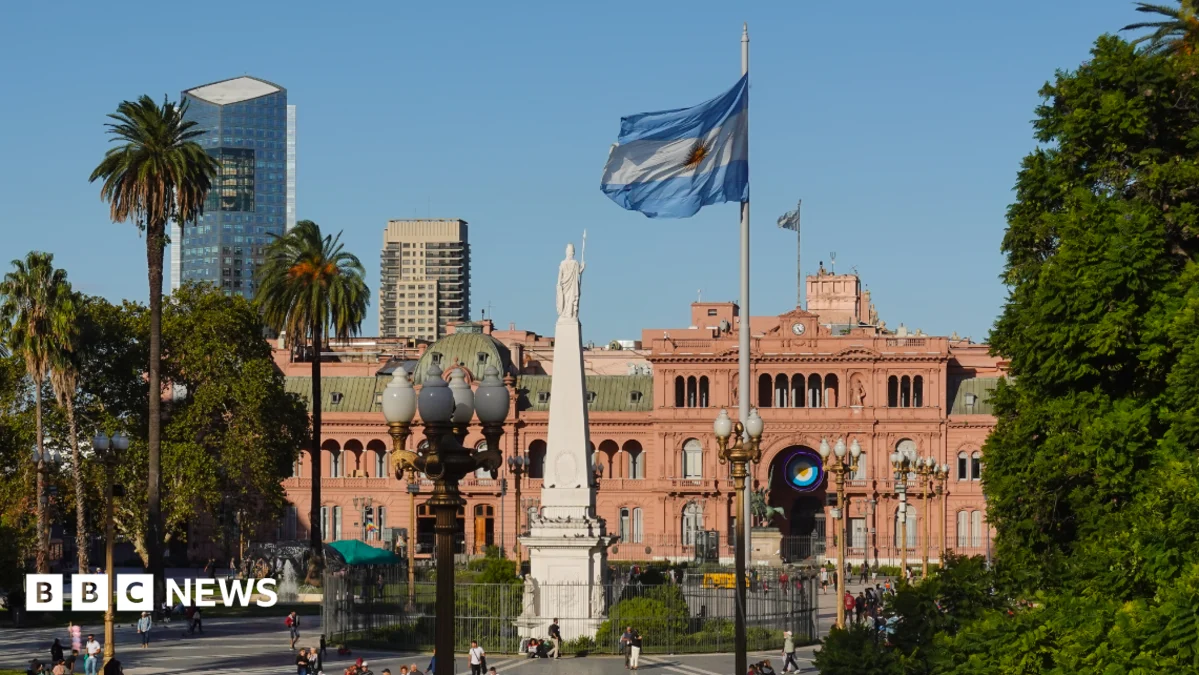
For decades, the UK government has provided these financial incentives and additional respite breaks to diplomatic staff and their families stationed in cities deemed particularly challenging or risky. These challenges could range from high levels of danger, such as in Beirut, Lebanon, to areas with elevated crime rates like Pretoria, South Africa, or cities plagued by severe air pollution, including New Delhi and Beijing. The underlying principle has been to compensate staff for the additional costs, stresses, and lifestyle disruptions associated with living and working in difficult overseas environments.
Beyond Buenos Aires and Santiago, the updated list of qualifying hardship posts saw the removal of several other cities. These include Santiago, the capital of Chile; Panama City in Panama; Pyongyang in North Korea; Bamako in Mali; and Sarajevo in Bosnia and Herzegovina. The decision to remove these specific locations suggests a reassessment of their prevailing conditions, implying an improvement in factors such as security, infrastructure, climate, or overall quality of life since the last comprehensive review.
While these seven cities have been delisted, a substantial 144 locations still remain on the roster for hardship payments. This continuing list features numerous acknowledged global trouble spots, yet it also notably includes destinations often perceived as popular holiday getaways, such as Bali in Indonesia and Rio De Janeiro in Brazil. Other cities that continue to qualify for these allowances include Bangkok, Cape Town, Kuala Lumpur, Dubai, Abu Dhabi, and Muscat. This dichotomy has ignited a fresh wave of criticism, particularly from within the Conservative Party, raising questions about the fairness and necessity of such payments for certain postings.
The long-standing system of hardship allowances, which has been in place for the past 30 years, aims to mitigate the unique pressures faced by diplomats. Factors considered in determining these allowances are comprehensive, encompassing security measures, the local climate, the risk of natural disasters, the degree of isolation from home, and other significant impacts on the quality of life for both staff and their families. These assessments are not static but are subject to regular review to ensure they accurately reflect current realities on the ground.
While the precise amounts of these allowances are not routinely made public, a glimpse into the scale of payments was provided in 2009, the last time a detailed breakdown was released. At that time, the most substantial payments for civil servants and their spouses were for postings to Karachi, Pakistan, which commanded an additional £26,647. Other high-risk postings included Abuja, the capital of Nigeria, where the allowance stood at £14,804. In comparison, the hardship payment for a couple posted to Buenos Aires in 2009 was £1,517, while for Santiago, it was £777. The delisting of these South American capitals suggests that the FCDO now perceives the challenges associated with these locations to have diminished to a point where the additional financial compensation is no longer deemed necessary.
The political reaction to these revelations has been swift and critical. Kevin Hollinrake, the Conservative Party chairman, voiced strong objections, arguing that civil servants receiving extra pay for working in what he characterized as popular holiday destinations is an "unfair" burden on the taxpayer. His comments underscore a broader Conservative agenda focused on fiscal prudence and reducing the size and cost of the civil service. Hollinrake went further, pledging to implement cuts to the civil service should the Conservatives secure another term in power. He articulated his frustration, stating, "Whilst businesses and families are paying higher taxes to fund this government’s policies, civil servants are being sent on taxpayer-funded jollies to places like Bali, Cape Town and the Maldives. This kind of nonsense has no place in government."
The issue also prompted parliamentary scrutiny. Lord Moylan, a Conservative peer, submitted a written question regarding the allowances. In response, Foreign Office minister Lord Wood of Anfield explained that assessments of hardship fundamentally consider factors necessitating additional breaks for staff members to safeguard their physical or mental health. He defended the framework, emphasizing its historical continuity: "These arrangements are not new, and indeed have applied consistently under successive governments for a number of decades." This statement attempts to frame the system as a long-standing, bipartisan practice rather than a recent innovation or indulgence.
The Foreign, Commonwealth and Development Office (FCDO) robustly defended the allowance scheme, emphasizing its commitment to the welfare of its personnel. A spokesperson for the FCDO highlighted the demanding nature of diplomatic work: "British diplomats serve their country around the globe, including in some of the toughest and most challenging physical and political environments in the world." The spokesperson underscored the FCDO’s "duty of care" to ensure its staff are "properly supported," asserting that "compensation and other provisions reflect the circumstances of the posting, as it would be in any private sector job." This defence draws a parallel with private sector compensation practices, where employees working in challenging or high-risk environments often receive additional benefits or hazard pay.
The ongoing debate surrounding these hardship payments reflects a tension between the practical necessities of diplomatic service and public perception of government spending. On one hand, diplomats are often required to operate in complex, volatile, and sometimes dangerous environments, representing the UK’s interests abroad. The provision of allowances and support is seen as crucial for attracting and retaining highly skilled individuals for these demanding roles, ensuring their well-being, and enabling them to perform effectively. The costs associated with security, healthcare, education for children, and maintaining a reasonable quality of life in truly difficult postings can be substantial and are not always covered by a standard salary.
On the other hand, in an era of heightened public scrutiny over government expenditure and domestic economic pressures, any payment perceived as a "bonus" or "perk" for civil servants, especially for postings in seemingly attractive locations, can quickly become a political flashpoint. The inclusion of places like Bali and Rio de Janeiro on the qualifying list, despite their potential underlying challenges (e.g., security risks, health concerns not immediately apparent to tourists), fuels the narrative of "taxpayer-funded jollies" and contributes to a perception of disconnect between the experiences of civil servants and the broader taxpaying public.
The removal of Buenos Aires and Santiago from the list, therefore, signifies more than just a minor administrative adjustment. It suggests a dynamic recalibration of global risk and hardship, potentially reflecting genuine improvements in these cities’ conditions. However, it also serves as a potent symbol in the ongoing political discourse about government efficiency, civil service costs, and the delicate balance between supporting essential public servants and demonstrating fiscal responsibility to the electorate. As the FCDO continues its regular reviews, the list of qualifying posts will undoubtedly remain a subject of interest and debate, reflecting both the evolving global landscape and the persistent political pressures to manage public finances transparently and fairly.


 George Anjay
 Nakalama John
 atisusanti
 Roy Suryo
 Nana Banana