
 Ramos Leo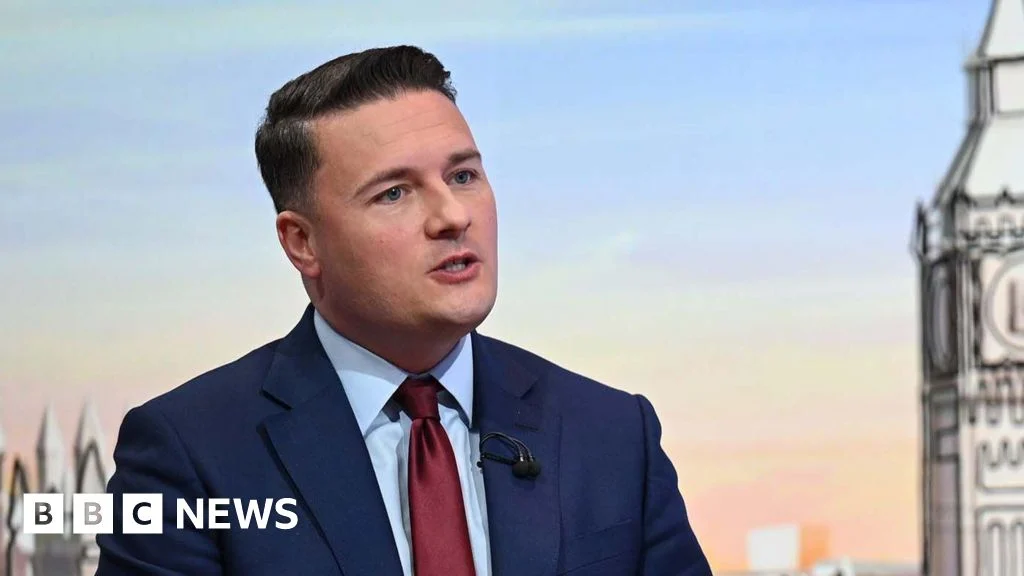
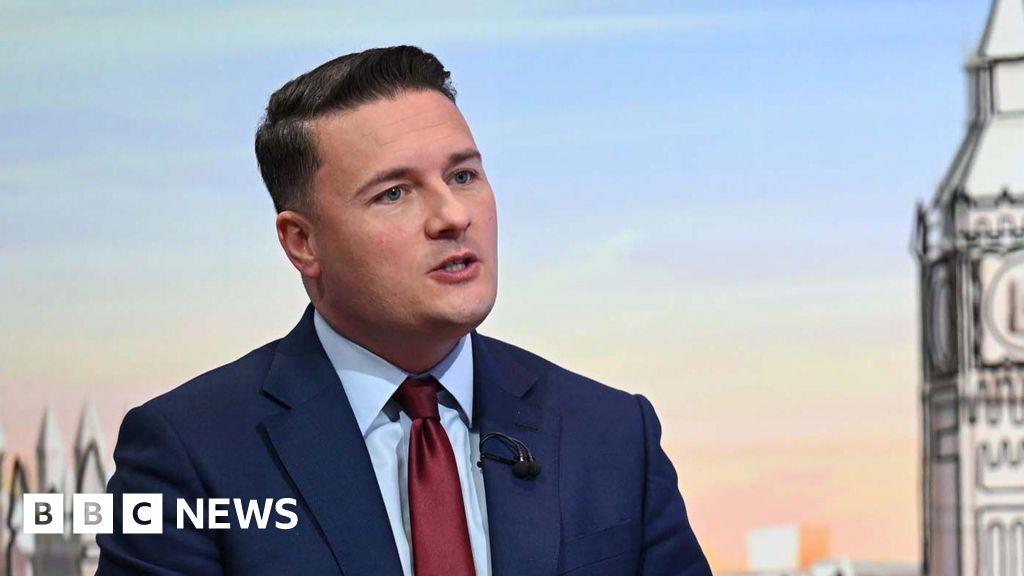
Streeting, a prominent figure in Prime Minister Sir Keir Starmer’s cabinet, articulated the UK’s firm desire for a diplomatic resolution that would definitively "put Iran’s nuclear ambitions to bed." He underscored that while the UK was not a direct participant in the recent Pakistani talks, its commitment to a peaceful, negotiated settlement remained unwavering. Speaking on the BBC’s "Sunday with Laura Kuenssberg" programme, the Health Secretary acknowledged the inherent challenges but maintained a cautious optimism regarding the future of diplomatic efforts. He stated, "It’s obviously disappointing that the talks have broken down for now. But the optimist in me says two things; firstly, the mere fact that the Americans and the Iranians were able to get around the table together is highly unusual and necessary. It’s the only way we’re going to end this war. Secondly, the nature of diplomacy is that every day ends in failure until you achieve success. So I don’t think we should be too surprised or disheartened." This perspective highlighted the historical rarity of direct US-Iran dialogue and the incremental nature of complex international negotiations, suggesting that even a failed round of talks contributes to the broader, long-term diplomatic process.
The fragile two-week ceasefire, which had offered a glimmer of hope for de-escalation, now appears to be under severe strain following the failure to secure a comprehensive agreement. US Vice-President JD Vance, who led the American delegation in Pakistan, publicly identified Iran’s steadfast refusal to commit to abandoning its nuclear weapons program as the primary impediment to a breakthrough. This sticking point has consistently been at the heart of international concerns, with Western powers fearing Iran’s pursuit of nuclear capabilities could destabilize the entire Middle East region and potentially trigger a wider arms race. The US position, backed by its allies, demands verifiable assurances that Iran’s nuclear activities are exclusively for peaceful purposes.
Adding a layer of complexity to the already tense geopolitical landscape, President Trump’s recent rhetoric drew sharp criticism from Streeting. Speaking to Sky News earlier, Streeting described Trump’s ominous threat last week – "a whole civilisation will die tonight" unless Iran agreed to a deal – as "outrageous" and "extraordinary." Such incendiary language, particularly when delivered via social media, has often been a hallmark of Trump’s approach to foreign policy, causing alarm among allies and adversaries alike. However, Streeting advised a pragmatic approach, urging observers to differentiate between the former President’s often bombastic pronouncements and his actual policy decisions. "If there’s one thing we’ve learned about President Trump, particularly in this term, it also applies to his first term, you have to draw a distinction between what he says and how he says it, particularly on social media, and what he does," Streeting explained to the BBC. This nuanced view suggested that while Trump’s words might be alarming, his administration’s actions sometimes follow a more conventional, albeit still aggressive, diplomatic and military path.
The ongoing disagreements over the Iran conflict and other international matters have undeniably introduced friction into the traditionally strong "special relationship" between the United Kingdom and the United States. Earlier in the week, Prime Minister Sir Keir Starmer had voiced his frustration, stating he was "fed up with the fact that families across the country see their bills go up and down… because of the actions of Putin or Trump." This candid remark underscored a growing sentiment in London that the actions of certain global leaders directly impact the economic well-being of ordinary British citizens, hinting at a desire for greater autonomy in foreign policy decisions. Streeting defended Sir Keir’s measured approach to international affairs, stating the Prime Minister was not one to "shoot from the hip," contrasting it implicitly with the more impulsive style of some other global figures.
A critical dimension of the Iran conflict’s impact is the effective blockade of the Strait of Hormuz, a vital international shipping lane, by Iranian forces. This strategic waterway is crucial for global energy markets, as a significant portion of the world’s seaborne oil and liquefied natural gas passes through it. The disruption has led to increased shipping costs, insurance premiums, and concerns about global energy security, directly contributing to the rising cost of living in many countries, including the UK. In response to this escalating crisis, Sir Keir Starmer recently engaged in a phone conversation with the Sultan of Oman, a key regional player. A Downing Street statement confirmed that both leaders agreed on the urgent need for the US, Israel, and Iran to avoid "any further escalation" and discussed the recent peace talks, urging "both sides to find a way through." Recognizing the gravity of the situation, the UK is set to host further talks this week with a coalition of allied nations, focusing specifically on strategies to reopen the Strait of Hormuz. Foreign Secretary Yvette Cooper is actively engaged in "an ongoing conversation" with regional and international allies on this critical issue. When pressed on whether the UK would deploy Royal Navy vessels to escort ships through the strait, Streeting adopted a cautious tone, stating, "it would be premature for me to say anything at this stage," indicating the sensitivity and complexity of such a potential military commitment.
Beyond the immediate crisis in Iran, Streeting also addressed other pressing issues, including a controversy surrounding the UK’s deal to transfer control of the Chagos Islands to Mauritius. The Chagos Islands, officially known as the British Indian Ocean Territory, have been under British control since the early 19th century and host a crucial joint UK-US military base. Facing mounting international legal pressure and potential threats to the base’s operational status, the British government had previously struck a deal with Mauritius, which has long asserted sovereignty over the archipelago. However, on Friday, the UK government announced that the deal had been shelved due after the US failed to provide formal approval. Streeting vehemently denied that this constituted a "U-turn" by the UK government. Instead, he attributed the setback to "elements of the US administration hav[ing] had a change of heart," necessitating the UK to "iron out some of the difficulties." This explanation suggested a complex internal debate within the US administration regarding the strategic implications of transferring sovereignty, particularly concerning the future of the military base.
The domestic economic ramifications of international conflicts, particularly the war in Iran, were also a significant point of discussion. Liberal Democrat leader Sir Ed Davey, also appearing on the "Sunday with Laura Kuenssberg" programme, highlighted the alarming rise in food prices, which he directly linked to the conflict. Sir Ed warned that food price inflation was "going to hit us big time later this year, so we’ve got to start taking action." He advocated for concrete measures, including the introduction of a new law that would legally oblige the government to prioritize food security. Furthermore, the Liberal Democrats are proposing a substantial £1 billion increase in the farming budget, aimed at bolstering British food production and reducing reliance on volatile international supply chains. While acknowledging he did not "know how quickly it would bring down food prices," Sir Ed asserted that "unless you support farmers properly, you can’t expect them to increase production," emphasizing the long-term investment required to secure the nation’s food supply.
In conclusion, the UK government finds itself navigating a complex web of international crises and domestic challenges. From the delicate diplomacy surrounding the US-Iran conflict and the critical issue of freedom of navigation in the Strait of Hormuz, to the intricate Chagos Islands agreement and the pressing concern of rising food prices, the Starmer administration is confronted with a multifaceted agenda demanding careful strategic consideration and robust diplomatic engagement. The remarks from Wes Streeting underscore a blend of cautious optimism for diplomatic solutions and a firm defense of the UK’s independent, yet collaborative, approach to global affairs, all while acknowledging the tangible impact of international events on the everyday lives of British citizens.



 Roy Suryo

 Nakalama John
 atisusanti
