Nakalama John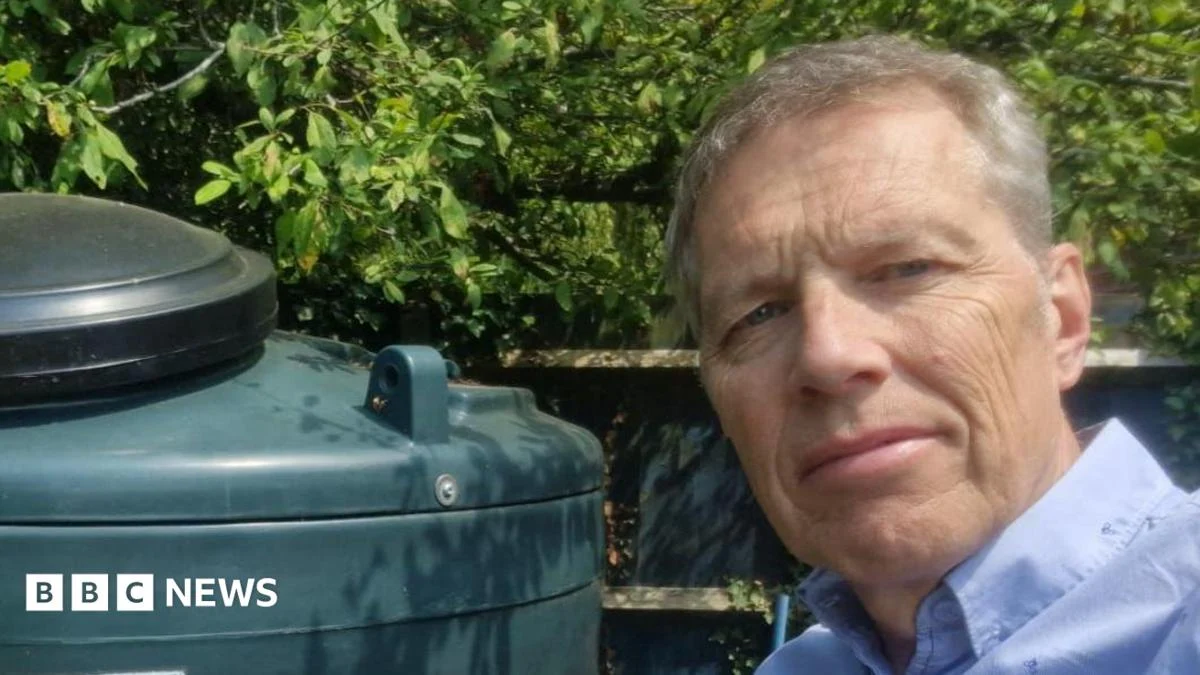
Families living in the picturesque, often isolated, rural expanses of the West Midlands have voiced overwhelming support for a landmark recommendation aimed at elevating the protections afforded to heating oil customers, bringing them into parity with those enjoyed by households connected to the national gas grid. This crucial proposal, put forth by the Competition and Markets Authority (CMA) in a comprehensive report released on Wednesday, underscores the pressing need for governmental action to fortify the rights and security of approximately 1.5 million households across the UK who depend entirely on heating oil for warmth and hot water.
The CMA’s intervention follows a period of unprecedented market turbulence and consumer distress, particularly in the wake of escalating geopolitical tensions in the Middle East in February. This instability sent shockwaves through global energy markets, leading to a dramatic surge in the cost of heating oil. For many rural households, average retail prices catapulted by an staggering 92% higher than normal, inflicting severe financial strain and highlighting the inherent vulnerabilities within the unregulated heating oil market.
Jemma McCarron, a resident of Hanley Swan in Worcestershire, articulated the profound sense of helplessness experienced by many in her situation. "If the prices are sky high because of things totally beyond your control, there’s nothing you can do about that," she lamented, capturing the sentiment of individuals facing exorbitant costs with limited recourse. Her words resonate with countless families who, by virtue of their remote locations, lack access to the main gas grid and are therefore captive to the volatile global oil market.
The stark reality of this vulnerability was vividly illustrated by Nick Weaver from Claverdon, Warwickshire. Mr. Weaver recounted a deeply unsettling experience in March that underscored the urgent need for robust consumer protections. Having pre-paid for a 1,000-litre order of heating oil before the geopolitical conflict erupted, he was informed by his supplier that he would receive only half of his order. The firm initially offered to refund half of his original payment, but then, just two days after the partial delivery, presented him with an outrageous proposition: to purchase the missing 500 litres for an additional £1,000 – effectively doubling the per-litre cost for the remaining half of his original order.
"I was incredibly shocked and felt cheated," Mr. Weaver recalled, his voice still tinged with indignation. "I definitely felt like they were taking advantage of the situation, and I know I was fairly confident it was a breach of contract." His ordeal is a chilling example of how some suppliers appeared to exploit market volatility, leaving consumers feeling exploited and powerless. Unwilling to accept this predatory practice, Mr. Weaver took decisive action. In a last-ditch attempt to resolve the issue amicably, he penned a detailed letter to all the directors of the firm, meticulously outlining the breach of contract and the ethical implications of their actions. This assertive approach ultimately bore fruit, leading to an agreement from the supplier to honour the original contract and deliver the missing fuel at the previously agreed price. Empowered by his success, Mr. Weaver has since shared his experience on social media platforms, providing invaluable advice and support to others in his village who might face similar challenges, fostering a sense of community resilience against market exploitation.
Jemma McCarron, though spared Mr. Weaver’s direct confrontation, also highlighted the precariousness of their situation. She considers herself fortunate to have anticipated the impending price hike, filling her substantial 2,000-litre tank for £1,200 just days before the conflict escalated. This foresight means the oil supply will last their household of four – comprising her mother, daughter, husband, and herself – until the autumn. "Had we ordered it a week and a half later, I think it would have cost us nearly £1,000 more," she estimated, underscoring the immense financial relief her proactive measure provided.
Despite this temporary reprieve, the McCarron family remains acutely aware of the fluctuating costs and the need for prudent management. While they have naturally reduced hot water usage during the recent heatwaves, they have also implemented conscious steps to minimise overall fuel consumption. This includes "squirreling away that extra little bit of cash" as a buffer against future price surges, a common practice among rural households reliant on bulk fuel purchases. However, Jemma acknowledges the inherent limitations: "There’s a limit to what you can do with that given it’s our only source of heating and hot water."
The CMA’s report outlines several critical recommendations designed to bolster consumer protection. These include, but are not limited to, the introduction of clearer contractual terms, enhanced dispute resolution mechanisms, and measures to improve market transparency. Currently, the heating oil market lacks the regulatory oversight provided by bodies like Ofgem for gas and electricity, leaving consumers exposed to opaque pricing structures, inconsistent service standards, and limited avenues for redress in cases of unfair practice. The proposed changes aim to rectify this imbalance, ensuring that heating oil customers receive similar protections regarding pricing, supply reliability, and complaint handling as their grid-connected counterparts.
For residents like Jemma McCarron, improved protections for heating oil customers are "so important." However, her vision extends beyond mere regulation. She believes that the "real solution is to stop using oil" altogether, advocating for a stronger push towards renewable energy sources. "We’ve been looking into solar panels, but there’s very little support out there for people who might want to look at alternate ways for running their household," she expressed, highlighting a significant barrier to the transition to sustainable energy in rural areas. This sentiment echoes a broader national debate on decarbonisation and the need for a ‘just transition’ that supports all households, especially those in off-grid locations, in adopting greener alternatives.
The implications of the CMA’s recommendations for the West Midlands are profound. The region, with its diverse landscape ranging from the agricultural heartlands of Worcestershire and Warwickshire to the fringes of the Cotswolds and Malvern Hills, is home to a substantial number of off-grid properties. These households often face higher energy costs due to the logistics of fuel delivery and the necessity of purchasing in bulk. The proposed protections would offer a much-needed shield against market volatility and unfair trading practices, providing greater financial stability and peace of mind.
The call for government intervention is now louder than ever. The CMA’s report provides a robust framework for action, urging policymakers to legislate for stronger consumer rights. This could involve introducing a statutory code of conduct for heating oil suppliers, empowering a designated ombudsman service for dispute resolution, and potentially exploring mechanisms for price stability or caps during periods of extreme market disruption. Furthermore, the report implicitly supports the need for greater investment and accessible support schemes for renewable energy technologies in rural areas, addressing the fundamental challenge of energy independence and environmental sustainability.
The experiences of families like the McCrons and Mr. Weaver are not isolated incidents but rather symptomatic of systemic issues within the heating oil market. Their stories underscore the urgent necessity for the government to act decisively on the CMA’s recommendations. By bringing heating oil customers’ protections in line with those connected to the grid, the government has an opportunity to safeguard vulnerable households, foster greater fairness in the energy market, and lay the groundwork for a more sustainable and equitable energy future for the West Midlands and beyond. The welcome from West Midlands households is clear: these protections are not just desired, but essential.


 Roy Suryo