
 Ramos Leo
Prime Minister Andy Burnham has significantly altered the incoming early release scheme for some prisoners in England and Wales, responding to immense political and public pressure to re-evaluate the controversial plans. This decisive move comes after the widow of PC Andrew Harper, whose husband was tragically killed in the line of duty, powerfully described the prospect of two of his three killers being freed earlier than anticipated as "deplorable." Her impassioned plea highlighted the deep public unease surrounding the proposed changes to sentencing and release protocols.
The original framework, established under the new Sentencing Act 2026, was slated to come into force in September. It had aimed to facilitate the early release of approximately 6,000 criminals at various stages throughout its implementation. The primary objective of this sweeping reform was to alleviate the severe overcrowding that has plunged England and Wales’s prison system into an unprecedented crisis, causing significant disruption across both prisons and the courts.
How the Early Release Scheme Was Originally Intended to Work
Earlier this year, Parliament enacted the Sentencing Act 2026, a landmark piece of legislation designed to radically overhaul the rules governing the sentencing and management of prisoners. This was a central pillar of Sir Keir Starmer’s government’s strategy to confront the severe crisis of overcrowded jails, a challenging legacy inherited from previous administrations. The stark reality was that the prison system was perilously close to running out of cells in late 2024, a situation that threatened to paralyse the entire criminal justice system. Had prisons reached full capacity, police would have been unable to detain newly caught criminals, charges against suspects could not have been filed, trials would have faced indefinite suspension, and judges would have been left powerless to impose custodial sentences. Such a breakdown would have been an unprecedented and catastrophic failure in modern Britain’s justice system.
A key provision of this ambitious plan dictated that many offenders serving fixed-term sentences would become eligible for release after completing just one-third of their term behind bars, a significant departure from the long-standing legal requirement of serving at least half. It is crucial to understand that "leaving prison" under this scheme does not equate to complete freedom. Release on licence involves stringent conditions and close supervision. These conditions frequently include the mandatory wearing of an electronic tag or adherence to strict curfews to monitor an individual’s whereabouts and activities. However, recent figures have cast a shadow over the effectiveness of this monitoring, revealing that thousands of individuals mandated to wear an electronic tag were not actually doing so, raising concerns about the practicalities of community supervision.
The initial staggered roll-out plan stipulated that from 2 September, the first cohort of prisoners to benefit from the scheme would be those serving sentences of up to 19 months. Subsequently, offenders serving longer fixed-term sentences would progressively become eligible for early release on a month-by-month basis, allowing for a managed reduction in the prison population.
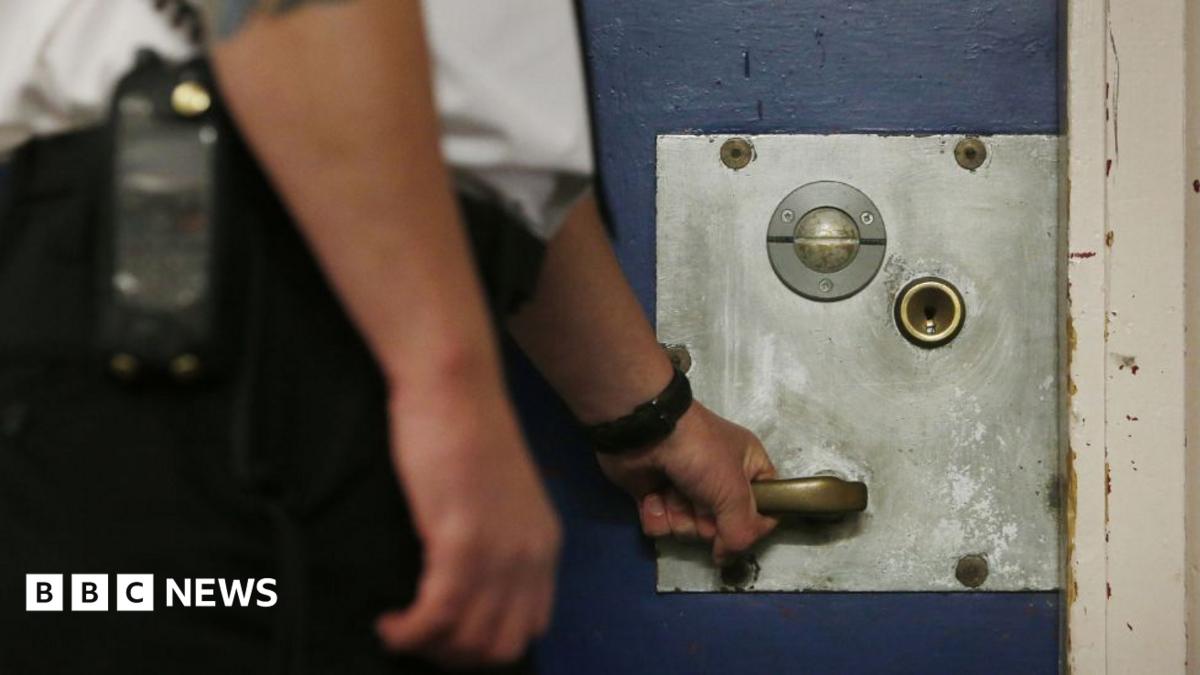
The Prime Minister’s Changes to the Scheme
This carefully constructed roll-out schedule has now been delayed and fundamentally altered. Prime Minister Burnham has unequivocally stated that the scheme must now explicitly exclude rapists, serious sexual offenders against children, and those convicted of grooming gang-related crimes. Furthermore, a "presumption" has been introduced, meaning that all offenders released under the scheme will be required to wear an electronic tag, seeking to bolster public confidence in the monitoring aspect of community supervision. This significant U-turn means that prison governors and probation officers across England and Wales must now halt their previous preparations, putting existing plans on ice and embarking on the complex and time-consuming process of rethinking who will be released and when.
How Will the Scheme Be Changed and What Are the Challenges?
The operationalisation of these new directives presents a considerable challenge. The government aims to have the revised plan operational by October, a tight deadline given the complexities involved. Ministers possess the power to introduce new rules through secondary legislation, known as statutory instruments or orders. However, such direct executive orders are subject to parliamentary scrutiny and can be challenged or even overturned by a vote in Parliament. This raises the distinct possibility of a legislative clash with the opposition, particularly given that last October, when the original Sentencing Act was progressing through Parliament, the Conservative party had attempted to introduce amendments specifically designed to exclude the very groups who will now be kept in prison under Burnham’s revised plan.
The wording and scope of the new orders triggering the revised release plan are therefore critical and likely to be subject to intense political debate. Achieving a consensus, or at least navigating the parliamentary process smoothly, is far from guaranteed. This political uncertainty, coupled with the lack of detailed official guidance on the excluded offences, is already creating significant practical difficulties for those on the frontline of the prison system.
Impact on Offenders and Prison Management
The initial projection was that up to 6,000 offenders would benefit from the original early release scheme. However, the precise number of individuals who will still be released under the revised plan remains unclear, as ministers have yet to publish the draft of the new rules that will specifically list the categories of offences now excluded.
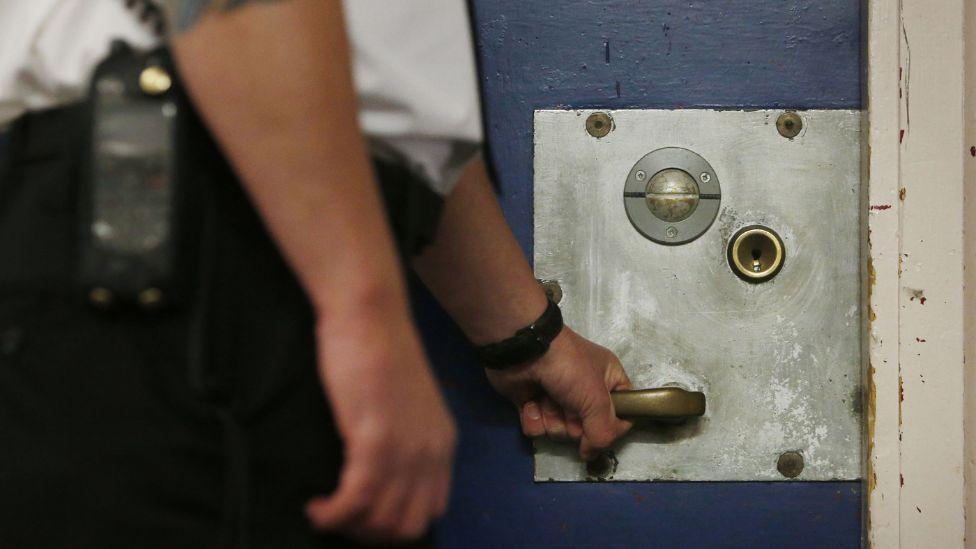
This lack of clarity, while politicians and the public broadly understand the intent behind the changes, has created a substantial operational problem for prison governors. Governors are responsible for informing offenders of their impending release dates, a fundamental aspect of prison administration and inmate management. The Prison Governors Association has voiced strong concerns, stating that its members are currently unable to determine how many prisoners will require their sentences to be recalculated yet again, and crucially, who will now remain in prison. "We don’t know if it is tens, hundreds or thousands that will be excluded," the association stated, highlighting the profound uncertainty.
Knowing an exact release date is not merely an administrative detail; it is crucial for effective prison management and inmate rehabilitation. Clear release schedules enable governors to plan the allocation of cells for other inmates, manage prison populations efficiently, and, perhaps most importantly, allow inmates to better prepare for their transition back into society. This preparation includes vital resettlement and rehabilitation efforts, such as securing stable accommodation for their critical first nights outside prison walls. A safe and stable living environment significantly increases an individual’s chances of successfully reintegrating, finding employment, and avoiding reoffending. Conversely, anything that hinders the resettlement process makes it more likely that an offender will struggle, potentially break the law again, and ultimately return to prison, exacerbating overcrowding and diminishing any previous rehabilitation efforts.
The Tragic Case of PC Andrew Harper
In August 2019, 28-year-old Police Constable Andrew Harper was tragically killed while responding to a quad bike theft in Berkshire. He became entangled in a strap attached to the back of a car being used by teenage burglary suspects fleeing the scene and was dragged for over a mile down a road. The harrowing nature of his death sent shockwaves across the country, particularly within the policing community.
Henry Long, who was 18 at the time and driving the vehicle, along with his passengers Albert Bowers and Jessie Cole, both 17, were subsequently arrested and charged. During the trial, the jury did not convict Long of murder, concluding that they were not convinced he knew he was dragging the officer along as he sped away. However, all three individuals – Henry Long, Albert Bowers, and Jessie Cole – were convicted of manslaughter, which signifies causing an unlawful death without necessarily intending to do so. They were all sentenced and jailed in 2020.
When Were the Men Expected to Be Freed?
Henry Long received a 16-year sentence for manslaughter. The sentencing judge noted that his sentence would have been 24 years had he not admitted to the charge. Under the standard sentencing guidelines at the time, Long was expected to serve two-thirds of his sentence, meaning he would spend approximately 10 years and eight months in a cell before becoming eligible for release on licence.

Bowers and Cole, on the other hand, were each handed 13-year sentences. They were initially told they would serve two-thirds of their term in custody, with the remainder spent on licence in the community. Release on licence is an integral part of sentencing laws in the UK and many comparable jurisdictions. It means that while an offender leaves the physical confines of prison, they are not entirely free of their sentence. Instead, they are subject to a range of restrictions and conditions on their life, which can include electronic tag monitoring of their movements, curfews, mandatory meetings with probation officers, and prohibitions on associating with certain individuals or visiting specific locations. Crucially, if an offender breaches any of these conditions, they can be immediately recalled and sent back behind bars to serve the remainder of their sentence.
How Do the Changes Affect PC Harper’s Killers?
The situation regarding Bowers and Cole is distinct from the Prime Minister’s latest U-turn. They were initially in a category of criminals who, under previous guidelines, would serve two-thirds of their sentence in jail. However, this was already changed under the provisions of the new Sentencing Act 2026, which meant they could become eligible for release at the halfway point of their term. This remains the case. Therefore, they are unaffected by Prime Minister Burnham’s recent decision to exclude certain groups of prisoners, such as rapists and serious sexual offenders. If the government proceeds with the original release timetable for most prisoners under the new Act, Bowers and Cole will become eligible for release on licence from after next June.
Conversely, Henry Long, the driver, is not eligible for any benefit from the new early release rules, either the original plan or the revised one. His more severe sentence, reflecting his greater culpability in the incident, remains unaffected by any of these new provisions. He still has at least another four years to serve within prison walls before he can even be considered for release on licence under his original sentencing terms.
Could Prisons Run Out of Space Again?
The pressing issue of prison overcrowding remains a significant and almost certainly persistent challenge. The current prison population in England and Wales stands at approximately 86,500, leaving a precarious buffer of only about 2,400 spare places across the entire system. This narrow margin of "headroom" is diminishing monthly, despite the government’s ongoing efforts to construct 14,000 additional cells in new and existing facilities. Projections from officials suggest that by 2030, the prison population could swell to around 100,000, and potentially even higher, depending on crime rates, policing priorities, and sentencing practices.
In a worst-case scenario, the government could begin to run out of prison space as early as 2029, unless the comprehensive new plan to manage and monitor a greater number of offenders within the community proves to be an unequivocal success. Sir Keir Starmer’s government initially championed its reforms as establishing "prison outside of prison," implying a robust system of community supervision that could effectively manage risks. However, there are widespread and genuine concerns across the criminal justice sector that the Probation Service, a critical component of this community management strategy, is still not fully resourced or adequately equipped to deal with the increased caseload and complex risks associated with supervising more offenders in the community. The Probation Service has endured a tumultuous period marked by a series of disastrous reorganisations over the last 15 years, which have significantly impacted its capacity, staffing levels, and overall effectiveness. The success of any early release scheme, therefore, hinges critically on the Probation Service’s ability to provide robust, consistent, and effective supervision, a capability that many fear is still lacking. Without this, the risk of reoffending and a return to critical prison overcrowding remains a very real and present danger.




 George Anjay
 Nakalama John
 atisusanti
 Roy Suryo
 Nana Banana