
 Ramos Leo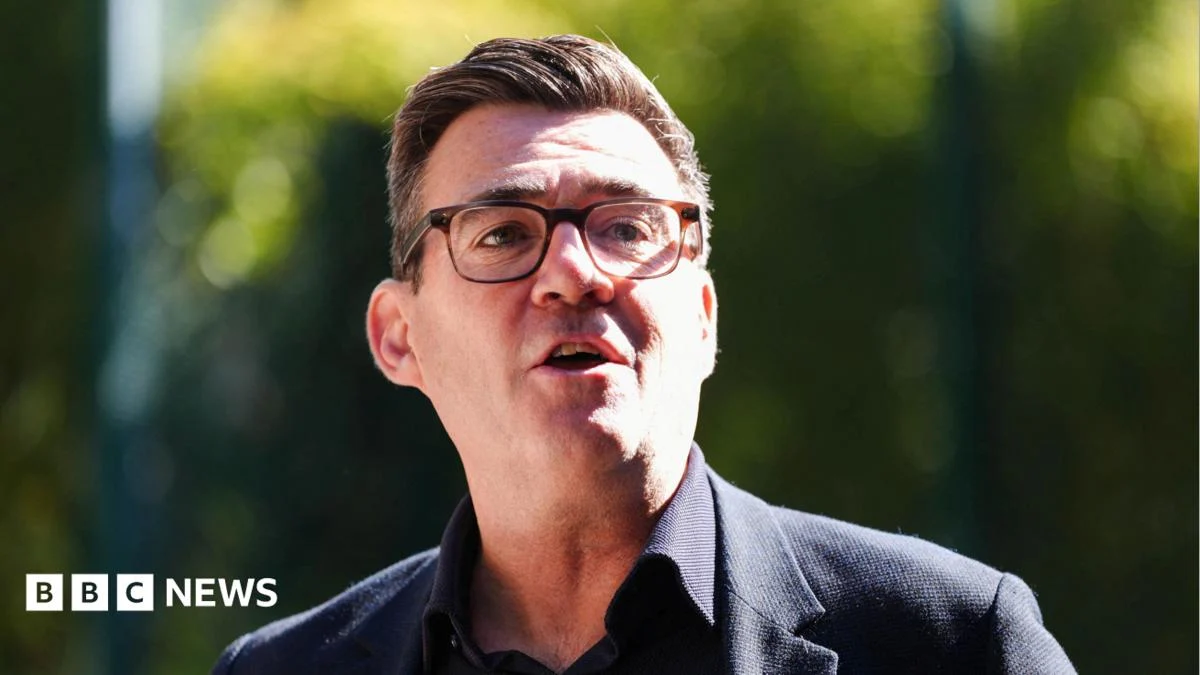
Andy Burnham’s nascent administration will continue to function normally and with full executive authority while the new prime minister takes a brief holiday, Downing Street affirmed today. Having only recently occupied the nation’s most powerful office, a mere two weeks ago, Burnham is stepping away from the immediate day-to-day demands of No 10 to spend precious time with his family. This decision, coming so swiftly after his ascension to power, has ignited a fierce debate across the political spectrum, with both staunch criticism and robust defence of the Prime Minister’s brief absence.
Burnham’s official spokesman was quick to reassure the public and political observers that despite his physical absence from Downing Street, the Prime Minister would remain in constant and direct contact with key officials. Furthermore, he is expected to continue holding essential meetings remotely, leveraging modern communication technologies to ensure the seamless operation of government. This commitment underscores the reality of contemporary leadership, where even a holiday offers little respite from the demands of the office, effectively becoming a ‘working break.’ The precise location of Burnham’s holiday remains undisclosed, a common practice for prime ministers to ensure privacy and security, particularly when with family.
However, the timing of the holiday has drawn sharp condemnation from opposition benches. Lee Anderson, the outspoken chairman of Reform UK, wasted no time in launching a scathing attack on the new Prime Minister’s decision. "This isn’t a prime minister that’s serious about leading," Anderson declared, accusing Burnham of having "bunked off" just as his government was finding its feet. Anderson’s critique went further, directly linking the holiday to a perceived lack of seriousness regarding critical national issues. He pointed to "a number of unfunded commitments" – referring to the raft of policy announcements made in Burnham’s whirlwind first two weeks – and what he described as Burnham "overseeing over 2,000 illegal migrants breaking into our country." These comments highlight the intense scrutiny any new leader faces, especially concerning immediate policy implementation and ongoing national challenges. The accusation of "unfunded commitments" suggests a broader critique of the government’s fiscal responsibility and the perceived lack of a clear financial plan to back its ambitious agenda. The reference to illegal migration taps into a highly sensitive and politically charged issue, framing Burnham’s holiday as a dereliction of duty in the face of an ongoing crisis.
In contrast, Justice Secretary Alex Norris mounted a spirited defence of the Prime Minister’s decision to take a break. Speaking to Sky News on Tuesday, Norris emphasized the human element behind the Prime Minister’s choice. "The prime minister is having a few days away with his family," he stated, adding a personal anecdote to illustrate the continuity of communication. "He will be in constant contact with his office. I mean, I might gently say that I’ve spoken to him virtually every day since I joined the cabinet, and I suspect that won’t change." Norris’s comments aimed to normalize the situation, portraying it as a necessary personal interlude for a leader under immense pressure, while simultaneously assuring the public that the machinery of government remains fully operational and responsive.
Adding another layer to the political discourse, Conservative leader Kemi Badenoch chose not to directly criticize Burnham for taking a holiday, acknowledging the personal demands of the role. However, her criticism pivoted to a different aspect of Burnham’s early premiership: his failure to recall Parliament. Badenoch insisted that Burnham should have immediately recalled Parliament after becoming prime minister, arguing that this would have allowed him to face proper scrutiny from elected Members of Parliament. "Andy Burnham was running away from Parliament – he can’t run away forever, I’m not going to be giving him a holiday when we come back in September," she asserted to reporters on Tuesday. This line of attack suggests a constitutional concern, implying that the new government was avoiding accountability during its initial policy blitz. The summer recess typically provides a break from parliamentary sittings, but a new prime minister taking office during this period often faces calls for an immediate recall to set out their agenda and face questions. Badenoch’s remarks indicate that Burnham will face a rigorous grilling upon Parliament’s resumption, suggesting that his holiday, while a personal break, will offer no respite from political challenges.
Burnham’s holiday follows an exceptionally busy and high-profile first two weeks in office, characterized by a rapid succession of policy announcements designed to stamp his authority and signal a new direction for the country. This "blitz of announcements" included several key pledges aimed at directly addressing cost-of-living concerns and boosting regional economies. Among these was a widely welcomed cut to VAT on household electricity bills, a measure designed to provide immediate financial relief to families grappling with rising energy costs. This policy, a popular pre-election promise, sought to demonstrate the new government’s commitment to easing the burden on ordinary households.
Further economic intervention came in the form of business rate cuts specifically targeted at pubs, a move aimed at supporting a struggling sector vital to local communities and economies. This policy was intended to provide a much-needed boost to local high streets and hospitality businesses. The government also moved to reinstate a £2 bus fare cap across England, a policy with significant implications for public transport accessibility and affordability, particularly for those in regional areas. This measure was lauded by public transport advocates as a step towards making travel more equitable and sustainable.
Beyond immediate economic measures, Burnham’s government also initiated crucial cross-party talks on social care reform. This complex and long-standing issue has eluded a lasting solution from successive governments, and the decision to engage in cross-party dialogue signaled a commitment to finding a collaborative, sustainable path forward. This approach suggests a desire to build consensus on deeply entrenched national challenges.
Signaling a strategic shift towards decentralization and ‘levelling up,’ Burnham also established a "No 10 North" base in Manchester, his political heartland. This symbolic and practical move aimed to demonstrate a commitment to governing from beyond the Westminster bubble and to empower regional centers. Complementing this, plans were announced to allocate English city mayors a share of income tax, in exchange for grant funding from central government. This bold proposal represents a significant devolution of financial power, giving local leaders greater autonomy and responsibility over their own resources and development priorities, potentially reshaping the landscape of local governance.
Just prior to his holiday, Burnham made a prominent public appearance over the weekend, visiting Dover in Kent. There, he reiterated a crucial policy plank, pledging to be "relentless" in curbing the number of people arriving in the UK on small boats. This visit and declaration underscored his government’s commitment to tackling a highly sensitive and politically charged issue, responding to significant public concern and reinforcing a tough stance on border security.
The act of a prime minister taking a holiday, especially early in their tenure, often invites historical comparison and scrutiny, and Burnham’s break is no exception. The former mayor of Greater Manchester will undoubtedly hope his time away proves more successful and less eventful than that of former prime minister Gordon Brown in 2007. Just six weeks into his premiership, Brown travelled to Dorset for a family break. His holiday, however, was dramatically cut short after only a few hours due to an unexpected outbreak of foot-and-mouth disease among cattle in England. Brown was forced to recall an emergency Cobra meeting and effectively worked from Chequers, the prime minister’s official country residence, highlighting the unpredictable nature of the top job and the constant readiness required.
Burnham’s immediate predecessor, Sir Keir Starmer, also faced an unexpected disruption to his holiday plans shortly after entering No 10 in July 2024. Starmer had planned a holiday abroad for August that year, but devastating riots and unrest erupted in towns and cities across the UK in the wake of the deaths of three girls in the Southport attack. The severity of the crisis forced him to cancel his plans entirely, delaying his first holiday abroad until December of that year, when he eventually flew to Madeira. These examples underscore that for a Prime Minister, the concept of a true "break" is often a fragile one, subject to the whims of national and international events.
In contrast, former Conservative prime minister David Cameron frequently chose to stay within the UK for his summer holidays, often opting for Cornwall with his wife Samantha throughout his time in No 10. Polzeath, a picturesque seaside village in the north of the county, was a particular favourite. This connection to the region became a notable personal anecdote when, in 2010, the former Prime Minister and his wife gave their youngest daughter, Florence, the middle name Endellion, in honour of the Cornish area where they were staying just before her birth. These historical precedents illustrate the varied approaches prime ministers take to personal time, the ever-present shadow of national duty, and how even their private moments can become part of the public narrative. Burnham’s holiday, therefore, fits into a long tradition of leaders attempting to balance the immense pressures of office with the fundamental human need for rest and family time, all under the unblinking eye of public and political scrutiny.

 George Anjay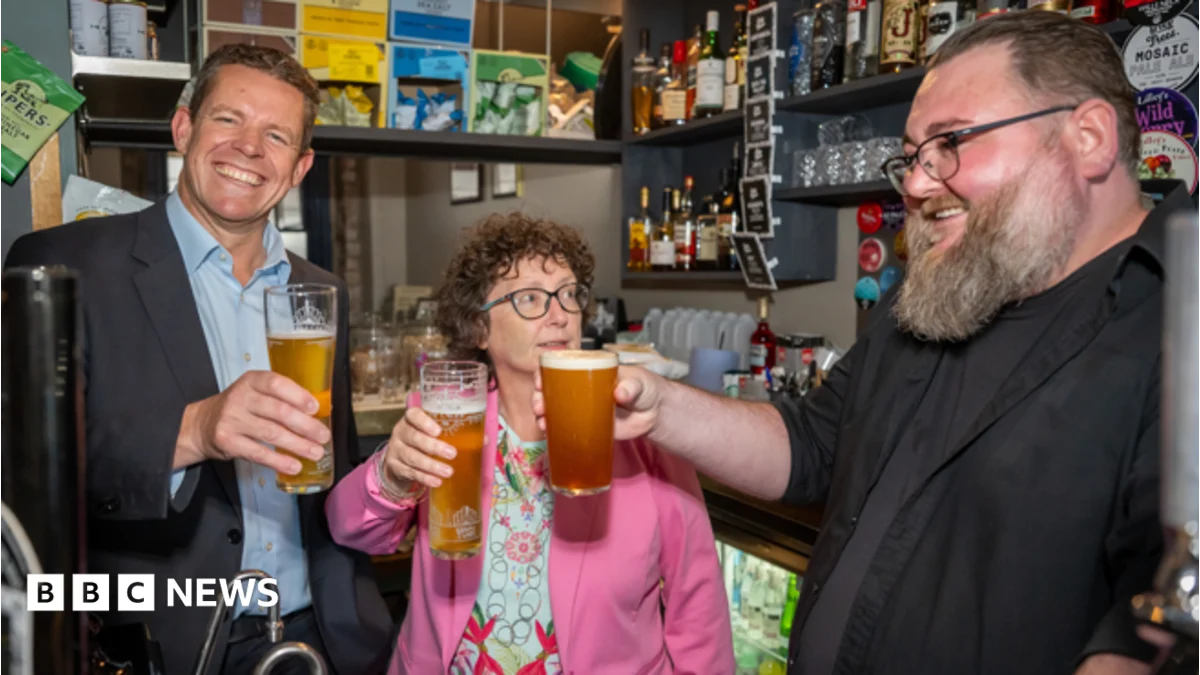
 Nakalama John
 atisusanti
 Roy Suryo
 Nana Banana