
 Nana Banana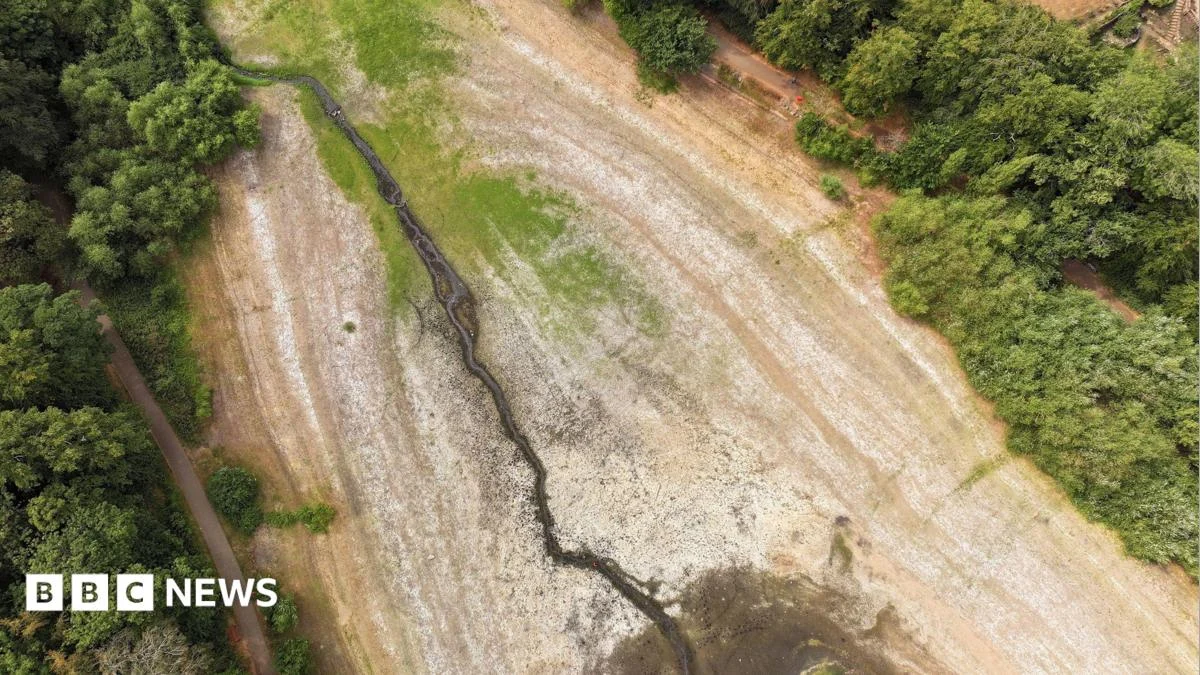
The question of when a drought might truly conclude is far more complex than a simple forecast for rain. Dr. Katie Facer-Childs from the UK Centre for Ecology & Hydrology explains that current drought conditions stem not just from a lack of rainfall, but also from persistently higher than average temperatures. This interplay creates a multifaceted crisis, demanding a nuanced understanding of hydrological processes and long-term climate trends. The notion that a few days of heavy rain can erase months of deficit is a common misconception, masking the deep-seated hydrological imbalances of severe drought.
Dr. Facer-Childs outlines a progressive series of drought stages, each with escalating impacts. The initial phase is the meteorological drought, defined by a prolonged period where rainfall levels fall significantly below historical averages. This is the earliest indicator, measurable by rainfall deficits, though immediate public impacts might be buffered by existing water stores.
If rainfall deficits persist, the system enters a soil moisture drought, profoundly impacting agriculture and natural ecosystems. Soil, acting as a vast natural reservoir for plant growth, is rapidly depleted during hot, dry periods. Thirsty trees and plants draw moisture through evapotranspiration, while high temperatures increase surface evaporation. Critically low soil moisture causes crops to wilt, pastures to brown, and agricultural productivity to plummet, leading to reduced yields and economic hardship. Natural vegetation struggles, increasing wildfire risk and stressing wildlife.
The next stage is the river flow drought. As soil moisture diminishes, less water percolates into streams and rivers. River levels fall dramatically, sometimes exposing riverbeds and altering aquatic habitats. This impacts fish populations, invertebrates, and overall biodiversity. Low river flows also affect industries reliant on water for cooling, manufacturing, or transport, and can increase pollutant concentrations as dilution capacity decreases. Navigation for commercial vessels can become challenging, further impacting economic activity.
The most severe stage, with the broadest societal impact, is the groundwater and reservoir drought. This occurs when dry conditions have persisted long enough that not only surface water bodies but also underground aquifers and man-made reservoirs show significant declines. Groundwater, stored in porous rock layers, is often the most resilient and slowest-responding hydrological component, serving as a critical buffer during prolonged dry spells. Reservoirs, designed to supply vast quantities of water, also see their levels drop to concerning lows. This stage directly threatens public water supplies, necessitating stringent restrictions and carrying widespread economic, social, and environmental ramifications.
Despite these escalating stages, Dr. Facer-Childs offers a glimmer of hope, stating, "we have not yet reached severe groundwater and reservoir drought, so that means there’s hope." This assessment is supported by the British Geological Survey (BGS), which reports no groundwater sites around the UK currently experiencing record lows, with nearly half maintaining normal levels. The resilience of the UK’s underground water reserves is crucial, as aquifers represent the nation’s long-term strategic water storage. Unlike surface water, which evaporates quickly, groundwater stores are generally more protected from immediate atmospheric influences, making their health a vital indicator of long-term water security. However, "normal levels" in some areas do not negate severe impacts felt elsewhere, particularly in surface water systems and agriculture.
The first clear indications of genuine drought recovery typically emerge in late autumn and winter. These seasons traditionally bring increased rainfall, and it is then that hydrologists carefully assess whether this precipitation effectively infiltrates the ground and replenishes aquifers. Groundwater recharge is not instantaneous; it requires sustained, moderate rainfall over an extended period. When the ground is exceptionally dry, initial rainfall is absorbed by parched soil to restore its moisture deficit before any significant amount can percolate deeper into rock layers. This saturation process is essential for effective recharge.
Dr. Kevin Collins, a senior lecturer in environment and systems at The Open University, highlights a common public misconception: the arrival of autumn rains often leads people to prematurely assume the drought is over. This assumption is dangerous, as hydrological reality is far more demanding. True recovery requires sustained rainfall over several months, not just a few isolated heavy downpours. Intense rainfall on very dry, compacted soil can often lead to increased surface runoff and flash flooding, with much of the water failing to infiltrate and instead rapidly flowing into rivers and out to sea. This "ineffective" rain contributes little to the replenishment of deep soil moisture or groundwater reserves.
Hydrologists typically need to observe rainfall patterns and groundwater levels through the core winter months. It is usually by February or March that they can confidently assess whether aquifers and human-made reservoirs have been sufficiently replenished to withstand the demands of the following spring and summer. This assessment involves complex hydrological modeling, borehole monitoring, and river flow analysis. Even if water stores are replenished, the environmental impacts of a drought can linger for years. Ecosystems stressed by prolonged water scarcity, such as dried-up wetlands, struggling forests, and depleted aquatic habitats, require significant time to recover their biodiversity and ecological functions. Full restoration of soil health, plant resilience, and wildlife populations is a slow, gradual process that extends far beyond the refilling of a reservoir.
The prospect of a dry winter looms as a significant threat, capable of exacerbating current drought conditions and intensifying government concerns. Prof. Tim Palmer of Oxford University starkly warns that if sufficient rains do not materialize over the winter months, the implications for the UK next year could be "catastrophic." Such a scenario would entail severe water shortages across multiple sectors. Agriculture would face immense pressure, potentially leading to reduced crop yields and increased food prices. Energy production, particularly from thermal power plants reliant on water for cooling, could be impacted. Public health could suffer from heat stress. Industrial operations and tourism would also face significant disruptions, with economic costs potentially running into billions.
Given this dire potential, Prof. Palmer stresses the critical need for proactive government planning. "The government needs to start planning for a worst-case scenario where the rains don’t return in sufficient amounts this winter, and next summer is similar to the last two," he advises. This planning would involve a comprehensive strategy encompassing emergency water management protocols, potentially including widespread hosepipe bans, strict water rationing for businesses, and the exploration of alternative water sources or emergency transfers. It would also necessitate cross-sectoral collaboration to mitigate impacts on agriculture, energy, and public health, perhaps through public awareness campaigns on water conservation and investments in drought-resilient infrastructure.
Adding another layer of complexity to the drought outlook are global climate phenomena. There is some indication of a potentially wetter-than-average autumn across parts of Europe, a signal that could be influenced by significant global ocean changes, including the developing El Niño weather phenomenon. El Niño, a periodic warming of ocean surface temperatures in the central and eastern tropical Pacific, has far-reaching teleconnections, influencing weather patterns globally. While it can bring increased rainfall to some regions, its specific impacts on the UK’s winter weather are complex and not always straightforward. However, despite these potentially positive signals, considerable uncertainty remains in long-range weather forecasting. The chaotic nature of atmospheric systems means that while general trends can be predicted, the precise timing and intensity of rainfall events are notoriously difficult to foresee months in advance.
In conclusion, the end of the drought is not a simple question with a single answer. It is a dynamic process influenced by a delicate balance of rainfall, temperature, soil conditions, and deep-seated hydrological reserves. While there is hope in the current state of groundwater levels and some long-range forecasts, the immediate future hinges critically on the rainfall patterns of the upcoming autumn and winter. The expert consensus is clear: sustained, effective precipitation over many months is essential for true hydrological recovery, and proactive planning for a worst-case scenario is an imperative for national resilience. The full ecological and economic recovery, however, will undoubtedly be a journey spanning years, long after the last drop of drought-ending rain has fallen.




 atisusanti
 George Anjay
 Nakalama John

 Ramos Leo