
 Roy Suryo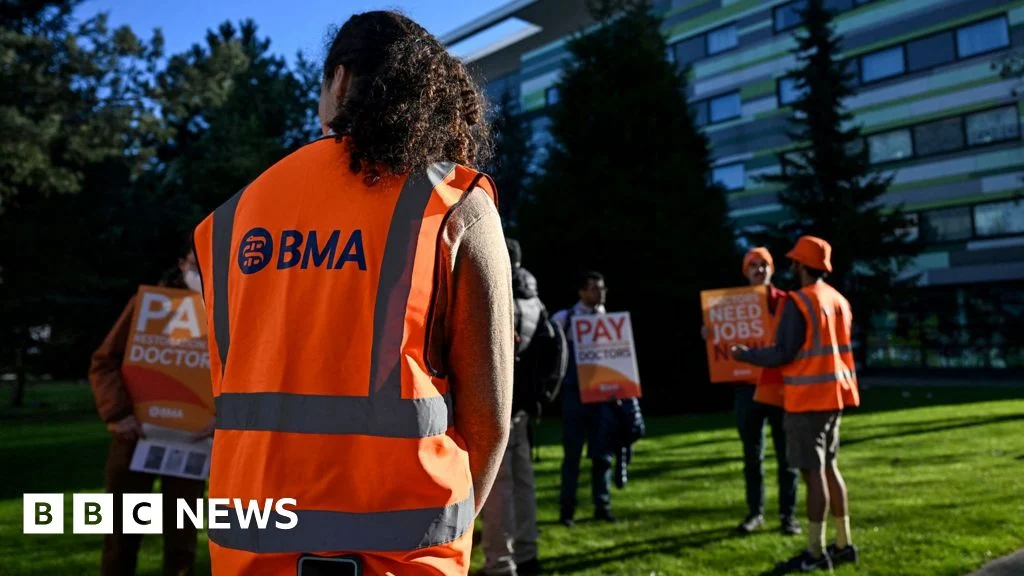
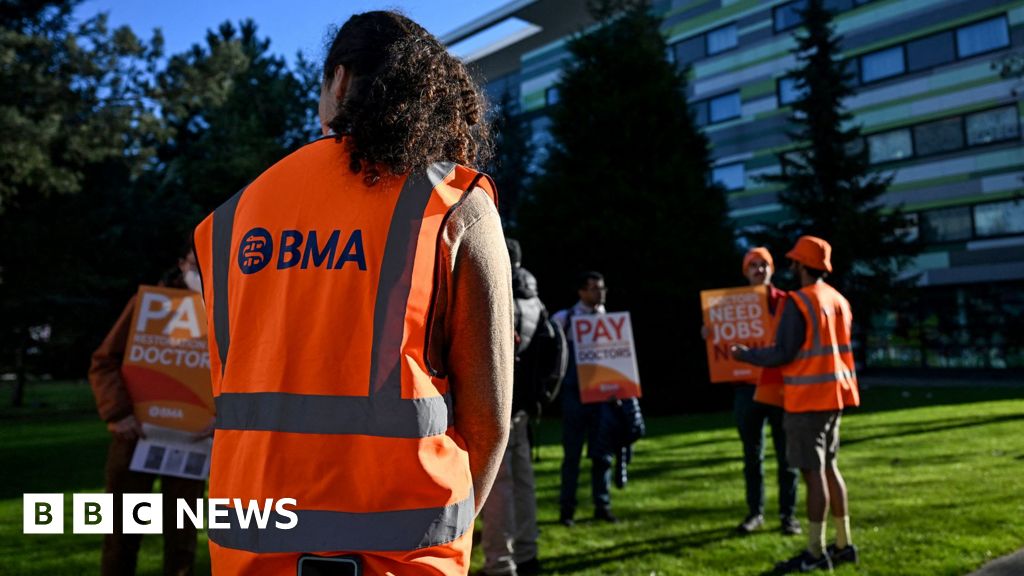
Resident doctors in England have commenced a six-day strike, marking their fifteenth industrial action in an ongoing dispute over pay and working conditions. The British Medical Association (BMA), representing doctors, asserts that insufficient action has been taken to address concerns regarding pay erosion and critical job shortages within the National Health Service (NHS). Conversely, the government maintains that the doctors’ expectations are unreasonable and unrealistic. The NHS is actively urging patients not to delay seeking medical help during this period of industrial action, advising those with emergency and urgent needs to continue using emergency services like 999 and the 111 helpline as they normally would.
Who are resident doctors, previously called junior doctors?
Resident doctors, formerly referred to as junior doctors, are fully qualified medical practitioners who have successfully completed their medical degrees. They constitute a significant portion of the medical workforce in England, making up nearly half of all doctors and contributing their expertise across various NHS settings, including Accident & Emergency (A&E) departments and general practitioner (GP) surgeries. Following their initial medical degree and a mandatory two-year period of postgraduate foundation training, many resident doctors opt to pursue specialization in particular fields of medicine or surgery. This specialization process can be lengthy, meaning that while some resident doctors may have recently graduated from medical school, others could possess over a decade of practical experience and be entrusted with the majority of patient care responsibilities.
How much do resident doctors earn?
The remuneration for resident doctors in England begins with a basic annual salary of just over £40,000 during their first foundation year after completing their medical degree. As they progress through their training and gain more experience, the basic pay for the most senior resident doctors reaches £76,500 per annum. It is common for medical professionals to work night shifts, weekends, and extended hours, for which they receive additional payments that supplement their base salary. In recognition of their contributions and to address some of the long-standing pay concerns, resident doctors received pay increases totalling 22% in 2023 and 2024. Furthermore, they were awarded an additional 5.4% increase in 2025. The annual settlement for all doctors in April 2026 included a further 3.5% pay rise.
What are the resident doctors’ pay demands?
The BMA has orchestrated a series of strikes across England since 2023, primarily driven by dissatisfaction with pay and working conditions. Despite having received cumulative pay rises amounting to 33% over the past four years, the union argues that when adjusted for inflation, doctors are effectively earning 20% less than they did in 2008. The government typically utilizes the Consumer Prices Index (CPI) to calculate public sector pay increments. However, the BMA points out that many resident doctors carry substantial student loan debt, and the interest on these loans is often calculated using the Retail Price Index (RPI), a measure that generally indicates higher inflation. The government, using the CPI measure, has consistently maintained that the current pay levels for resident doctors are equitable.
The core of the BMA’s demand is to restore the real-terms value of resident doctors’ pay to levels seen in 2008, arguing that the cumulative pay increases have not kept pace with inflation. They contend that the NHS is struggling to retain and attract doctors due to competitive international salaries and the increasing cost of living, which is exacerbated by student loan repayments. The union also highlights the immense pressure and long hours worked by resident doctors, which they believe are not adequately reflected in current compensation. The BMA has repeatedly called for a significant pay uplift that genuinely addresses the loss of earnings over the past decade and accounts for the demanding nature of their work.
What have the government and the BMA said about the dispute?
Health Secretary Wes Streeting has asserted that resident doctors have benefited from the most substantial pay increases among all public sector employees over the last three years. Speaking to the BBC at the commencement of the latest strike, he emphasized that the government had engaged in good-faith negotiations with the BMA and expressed disappointment at the union’s decision to reject the offer presented in March. This offer included commitments to accelerate the expansion of specialist training posts, a crucial step for resident doctors as they progress into their third year of training.
In 2025, there was significant competition for these specialist roles, with over 30,000 applicants vying for 10,000 positions, including a number of international medical graduates. The government had pledged to increase the number of these posts by 4,000 by 2028, with the initial 1,000 becoming available in 2026. Furthermore, the government proposed to allow the NHS to prioritize doctors who had completed their studies and gained experience within the UK for these positions. Additional incentives included the reimbursement of certain out-of-pocket expenses, such as examination fees, and a commitment to ensuring faster pay progression through the five salary bands that encompass the training period.
However, the BMA terminated the negotiations, citing that the proposed deal, particularly the pay progression element, had been significantly diluted in the final stages. Consequently, the offer to create the additional 1,000 specialist posts was withdrawn. Dr. Jack Fletcher, chair of the BMA’s resident doctor committee, conveyed his "genuine and deep regret" for any disruption to patient care caused by the strike action. He also pointed out that similar delays in patient care can occur even without strikes, due to pre-existing shortages of specialists and GPs. Dr. Fletcher reiterated the BMA’s stance that a resolution lies in returning to constructive negotiations to finalize a mutually agreeable deal.
Recent polling from YouGov indicates that public opinion on the strikes is divided, with 53% of respondents opposing the industrial action and 38% supporting it. This suggests a nuanced public perception, likely influenced by concerns over patient care versus an understanding of the doctors’ grievances.
What happens if I’m ill during the strike?
The current strike action in England is scheduled to take place from 07:00 BST on April 7th to 06:59 on April 13th. The NHS has issued guidance to patients, assuring them that they should continue to seek medical attention for their health needs throughout the strike period. For emergencies, the public is advised to dial 999 or contact the 111 helpline as they normally would. Senior medical staff are being deployed to ensure essential services continue to operate. For urgent, but non-life-threatening conditions, individuals are encouraged to utilize the NHS 111 online service or call the helpline.
Patients with planned appointments and treatments are advised to attend as scheduled unless they receive specific instructions to the contrary. GP services are expected to remain largely unaffected by this industrial action. During previous periods of industrial action, hospitals were generally instructed to cancel routine appointments only in exceptional circumstances. However, there remains a possibility that appointments and scheduled operations could be disrupted for a considerable number of patients. In a communication to health managers following the first day of the strike, NHS England chief executive Sir Jim Mackey reported that the NHS was managing the situation effectively and was in "as good a place as we could hope." It is important to note that Scotland, Wales, and Northern Ireland are not impacted by this particular planned walk-out.



 George Anjay
 Nakalama John
 atisusanti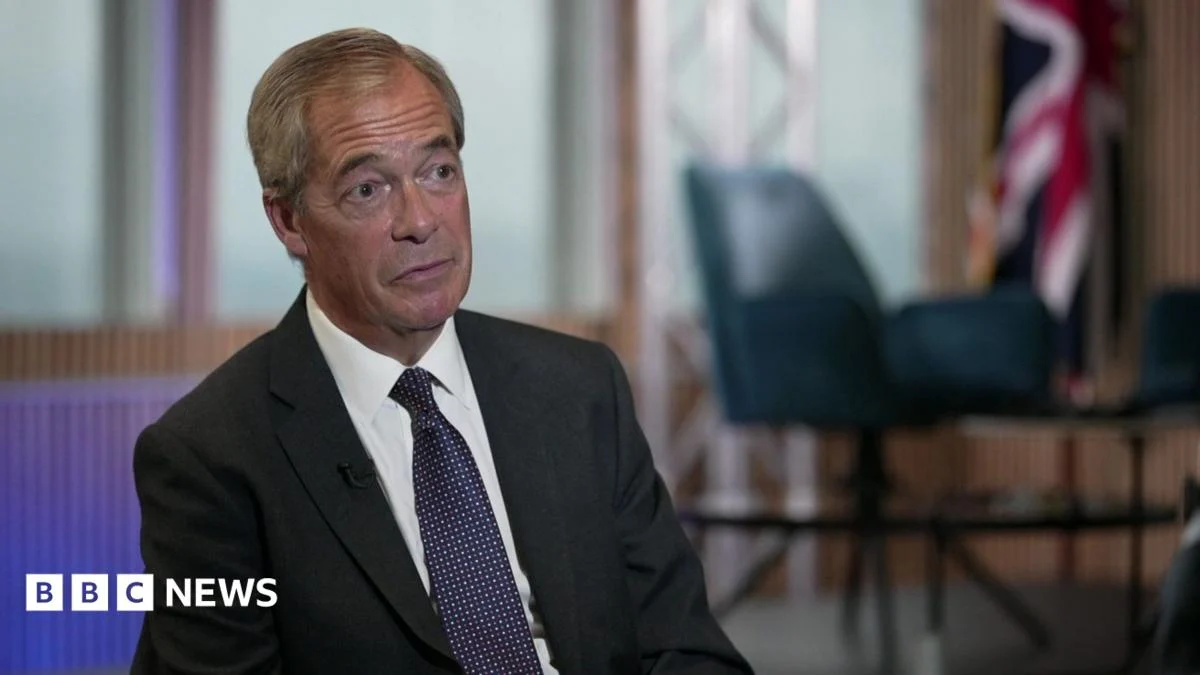
 Ramos Leo
 Nana Banana