
 Nana Banana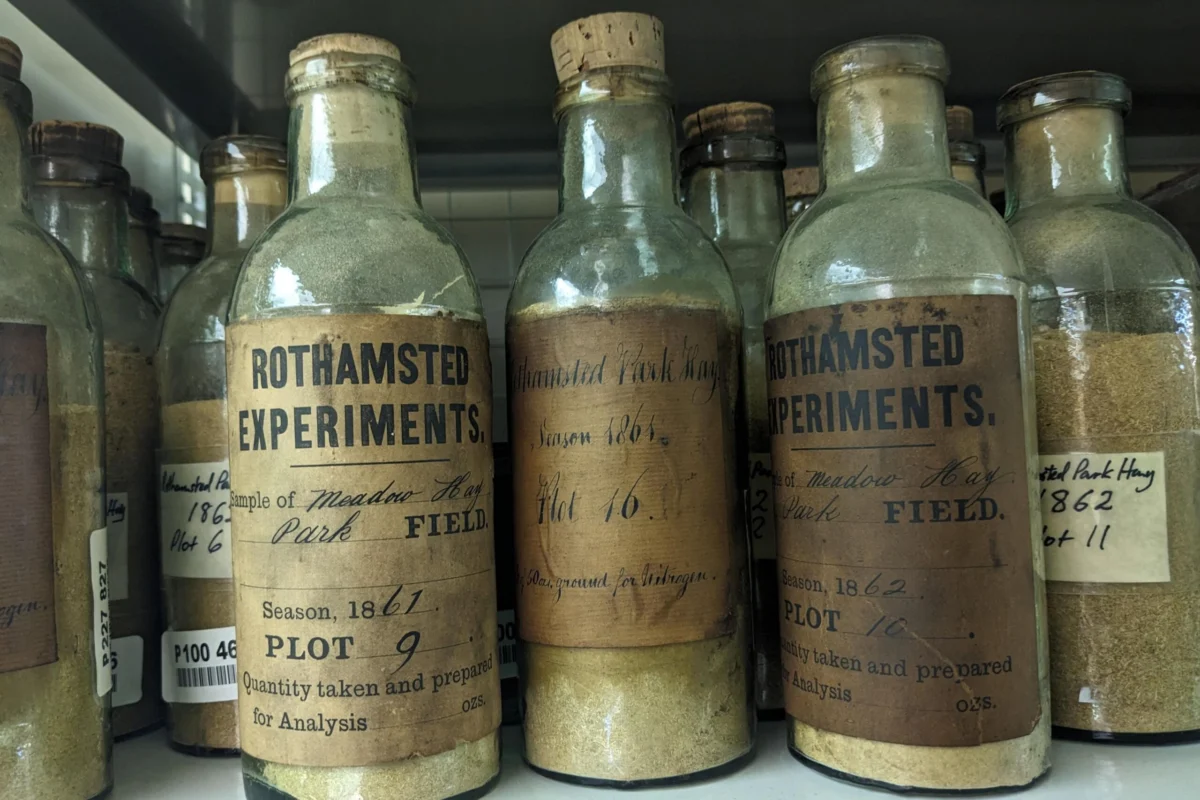
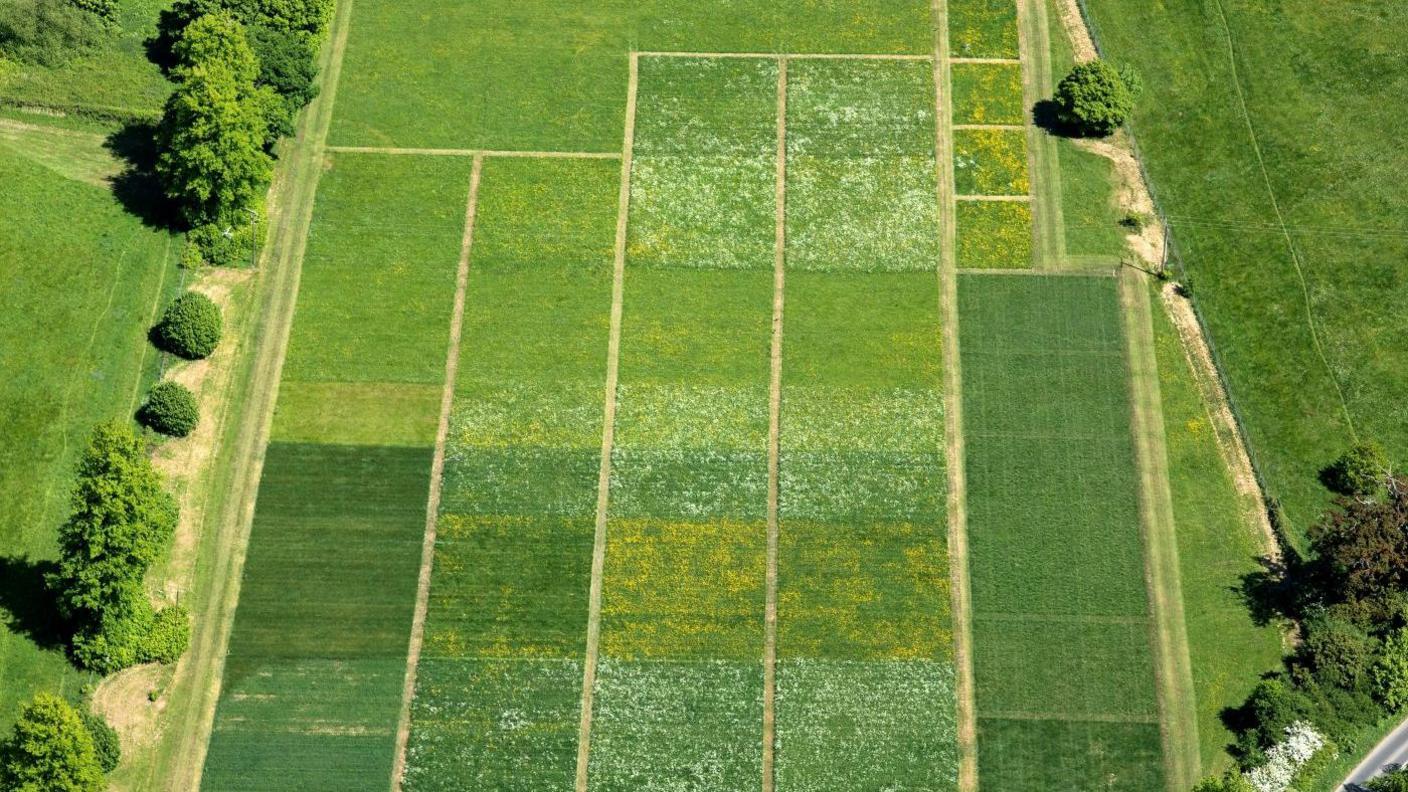
This pioneering study evolved into what is now globally recognized as the Park Grass Experiment, the world’s oldest continuous ecological experiment on permanent grassland. Spanning just under three hectares, this unassuming field is meticulously segmented into a mosaic of distinct plots. Each plot receives a unique treatment regime, ranging from various combinations of nitrogen, phosphorus, potassium, and other mineral fertilisers to applications of farmyard manure, or no treatment at all, serving as a vital control. This systematic division allows scientists to directly compare and contrast how nutrient availability profoundly influences not only the sheer quantity of grass growth but also the intricate composition of the soil beneath and the rich botanical diversity thriving within the sward. The meticulous recording of hay yields, species composition, and soil chemistry over nearly two centuries has created an unparalleled dataset, a living historical document of ecological change.
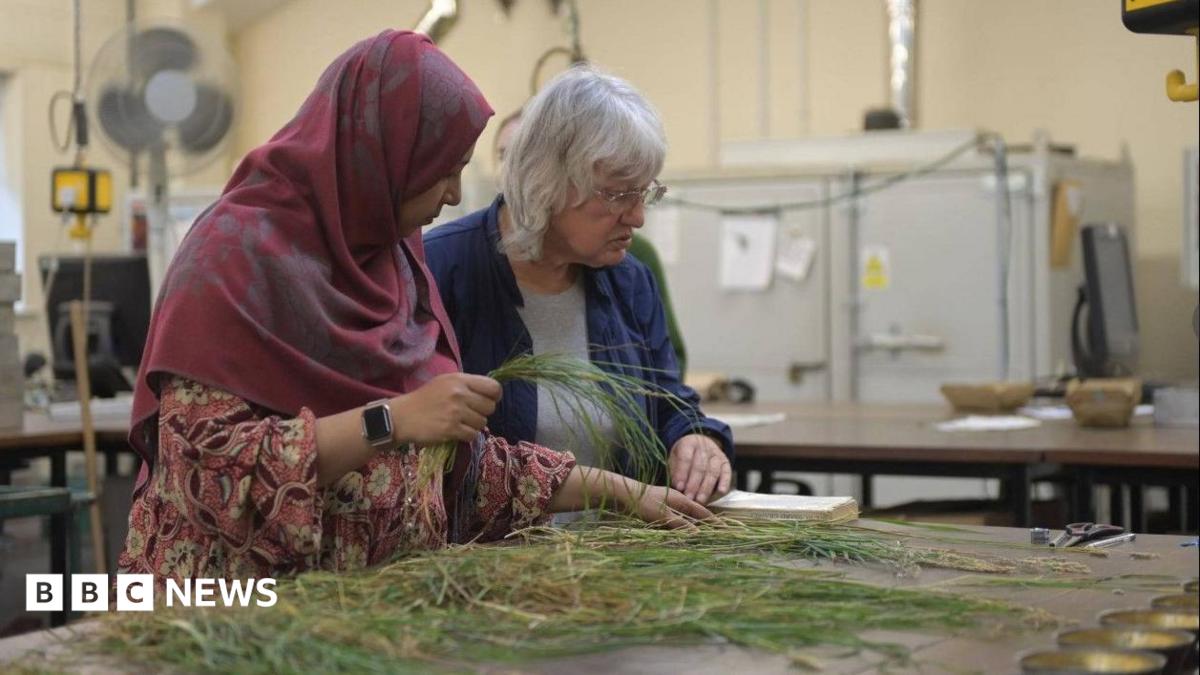
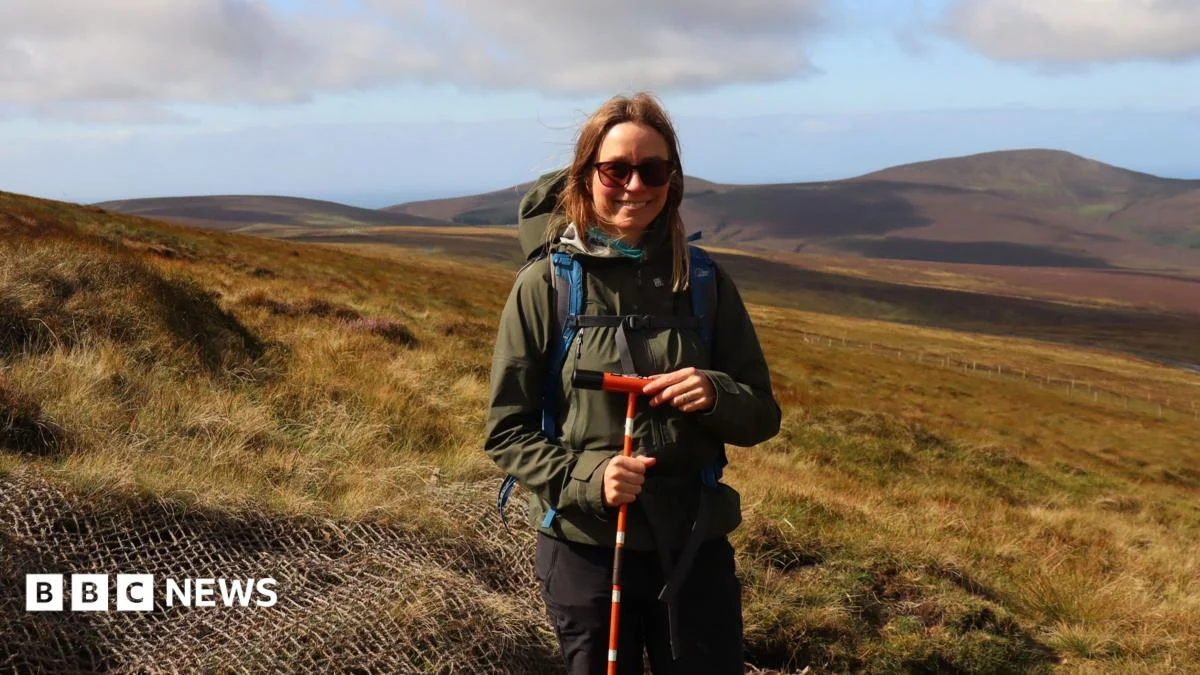
For soil scientist Andy Gregory, who bears the weighty responsibility of overseeing Rothamsted’s esteemed long-term experiments, his role as one of the current custodians of the Park Grass is nothing short of "an incredible privilege." He describes a deep sense of connection to the generations of scientists who came before him, recognizing the immense historical and scientific weight of the experiment. "I do pinch myself really that I’m in this position," Gregory reflects, underscoring the personal commitment involved. He views it as a solemn "duty to do the best I can to retain the experiment, keep it going and keep supporting new science." Crucially, Gregory emphasizes that the Park Grass is far from being a static "museum piece." Instead, it remains a vibrant, dynamic scientific asset, continuously adapting and evolving to "still support cutting edge new scientific research," providing foundational data for contemporary challenges.
The ongoing work at Park Grass now incorporates sophisticated scientific techniques that would have been utterly unimaginable when the Victorian experiment commenced. One of the most transformative advancements is the application of DNA analysis. By studying the genetic material extracted from soil and archived plant samples, scientists can now delve into the microscopic world of soil microbial communities, identifying changes in bacterial and fungal populations over decades. This allows for a much deeper understanding of soil health, nutrient cycling, and how different management practices impact the unseen drivers of ecosystem function. Furthermore, DNA analysis can help reconstruct the historical presence of various plant species, even those that have long since disappeared from the visible sward, providing invaluable insights into past biodiversity and ecological shifts.
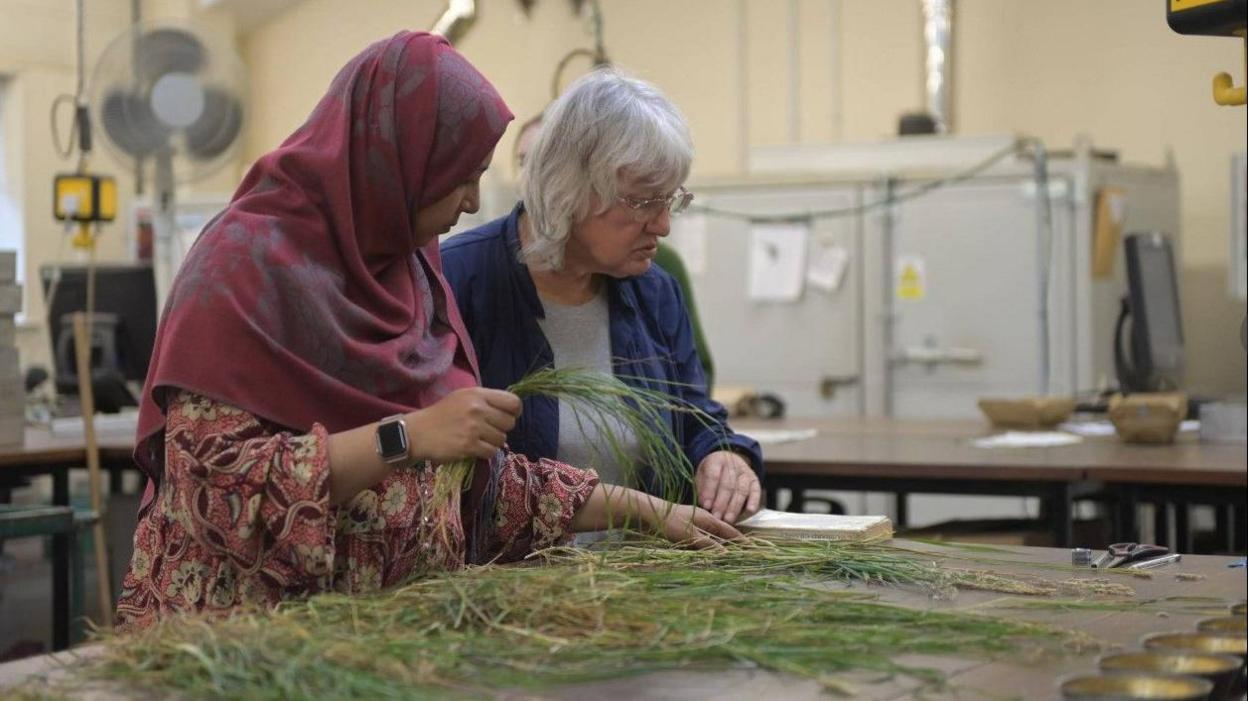
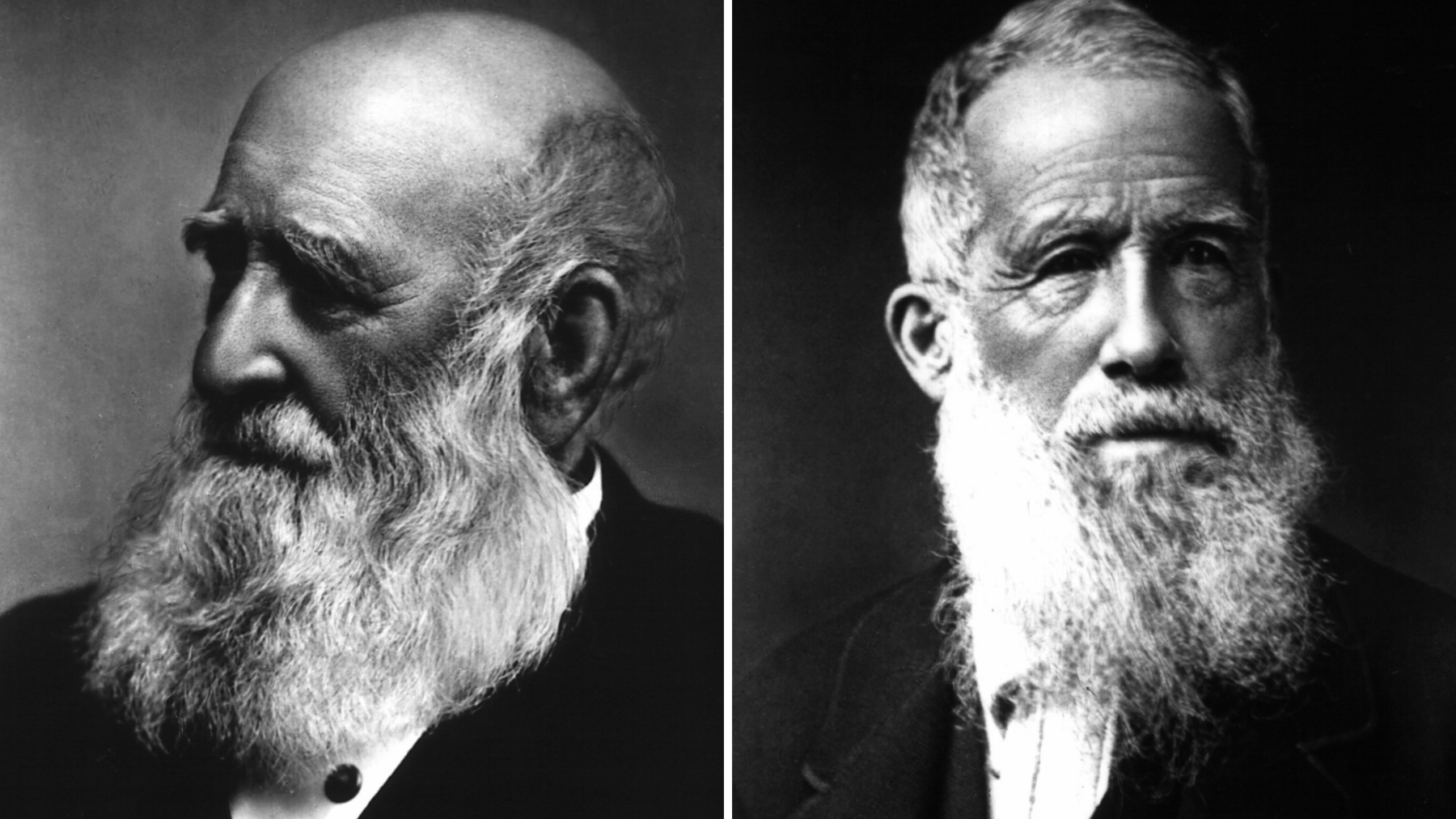
Gregory attributes the continued relevance of the experiment to the "genuinely forward thinking" approach of Lawes and Gilbert. Their decision to meticulously collect and preserve crop and soil samples from each plot, year after year, established an invaluable archive. This vast repository of physical samples, including bundles of hay dating back 170 years, serves as a tangible link to the past. Scientists today can access and re-analyze these samples using modern techniques, comparing historical data with contemporary findings to reveal long-term trends. This "time travel" capability, enabled by the foresight of the founders, is what truly sets the Park Grass Experiment apart, allowing researchers to study ecological processes across timescales that are simply impossible to replicate anywhere else in the world.
Coupled with the physical archives are comprehensive weather records, meticulously collected on site since the experiment’s inception. This unbroken chain of meteorological data provides researchers with a rare and invaluable long-term view of how environmental conditions have fluctuated and changed over nearly two centuries. The combination of detailed plot-specific data, physical samples, and environmental records creates a holistic picture of ecosystem dynamics. Gregory highlights a powerful example of this: the experiment’s ability to capture the impact of atmospheric deposition. Historically, nitrogen and sulphur compounds released from industrial activity and burning fossil fuels "effectively fertilised" land across the UK by falling as acid rain. This unintended aerial fertilization had a significant, albeit often detrimental, impact on natural ecosystems. However, in recent decades, as a result of stricter environmental regulations, cleaner power generation, and more efficient vehicle technologies, "the amount of nitrogen and sulphur that’s been deposited on the land has drastically reduced." The Park Grass Experiment, with its long-term monitoring, is uniquely positioned to "pick that up in changes in the botanical diversity of some of the plots," demonstrating a direct link between human industrial activity, atmospheric chemistry, and ecological shifts.
Dr. Sarah Perryman, who serves as the dedicated curator of the extensive Park Grass data, eloquently describes the site as "much more than a field experiment – it’s a living record of ecological change." Her critical work involves the painstaking process of digitizing every piece of information collected, including detailed grass species records, dating back to 1856. This monumental effort is constructing an unprecedented digital archive, creating a meticulously detailed picture of how the land and its plant communities have transformed over time. Perryman emphasizes the cumulative power of this ongoing data collection: "Every new survey adds another chapter to a dataset that allows scientists to ask questions across timescales that are almost impossible anywhere else in the world." This continuous accumulation of data provides a dynamic canvas for ecological investigation, allowing for the identification of subtle, long-term trends that would be invisible in shorter-term studies.
As the Park Grass Experiment confidently steps into its third century of operation, a significant portion of its research focus is now directed towards understanding the complex implications of climate change. Looking ahead to the next 170 years, Gregory anticipates that "the most interesting will be the interactions with a changing climate and how the normal patterns of weather are maybe not going to be the case in the future." Researchers are already observing specific patterns within the experiment’s data; for instance, historical records clearly indicate that periods characterized by drier springs and early summers consistently tend to result in decreased hay yields across many of the plots. This empirical evidence provides crucial insights into how future climate scenarios, particularly those involving increased drought frequency or intensity, might impact agricultural productivity and natural grasslands.
The experiment also allows scientists to investigate the interplay of various environmental factors. While elevated levels of atmospheric carbon dioxide, a known driver of climate change, could potentially "increase yields" in some plant species due to enhanced photosynthesis, Gregory cautions that this potential benefit "may be outweighed by drought." This nuanced understanding of interacting stressors is vital for developing effective climate adaptation strategies in agriculture and conservation. Beyond immediate observations, the samples collected today hold immense, as-yet-unrealized potential for future generations of scientists. Gregory notes that "there’s traits that we don’t yet know, but which might be measured on the samples that we collect this year in decades ahead." He concludes that this ongoing, meticulous collection is "essentially adding to the history building on this legacy," ensuring that the Park Grass Experiment continues to be a beacon of long-term ecological research, providing answers to questions that have not even been conceived yet, for the benefit of global agriculture and environmental stewardship.



 Roy Suryo

 Nakalama John
 atisusanti
 Ramos Leo
