
 Roy Suryo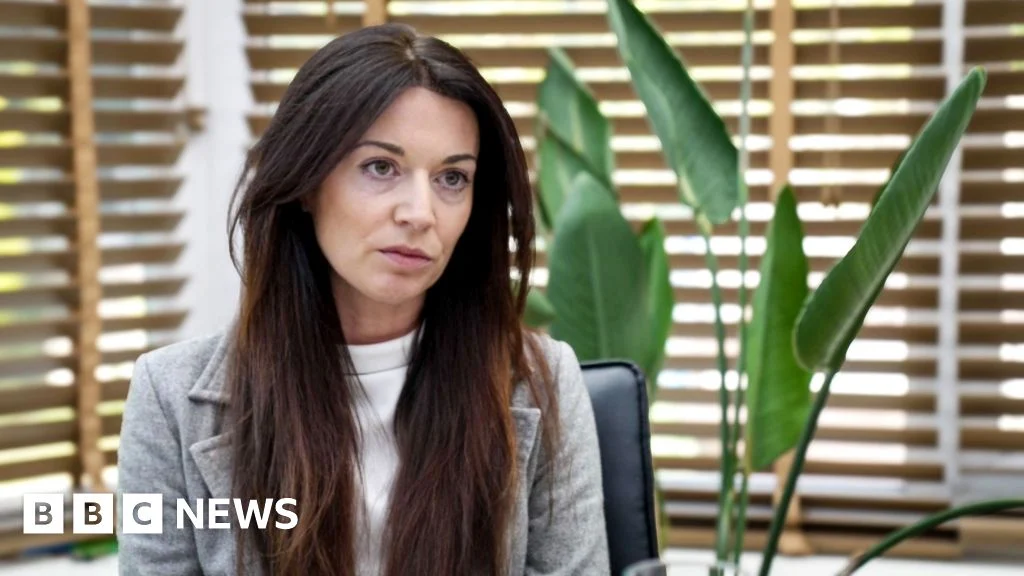
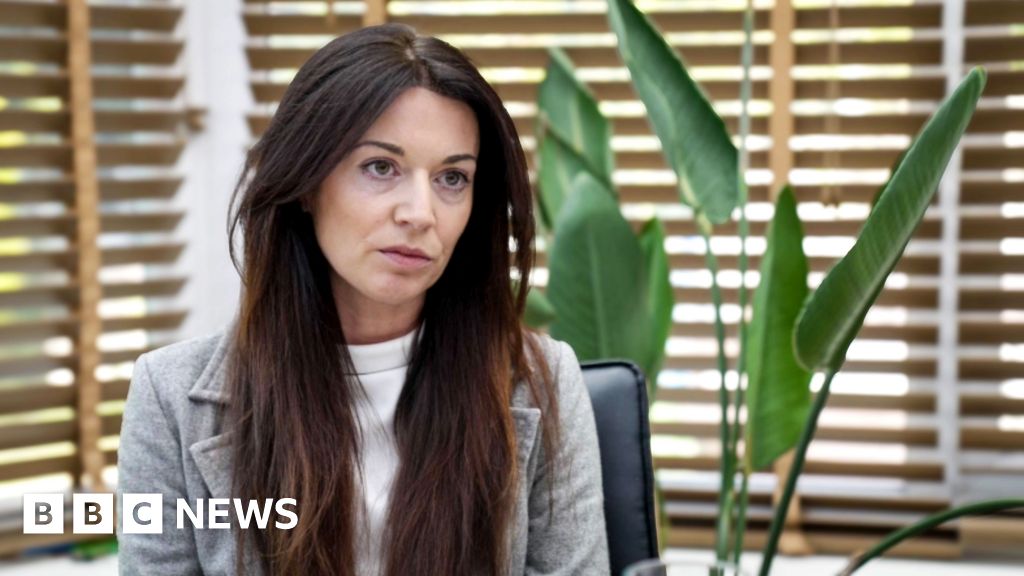
Zoe Trafford, a hairdresser from Liverpool, found herself in the unusual position of needing her customers to become her confidantes. What began as professional empathy evolved into a personal plea, as the salon became a space where she, rather than her clients, needed to voice her struggles. Her story underscores a persistent concern: despite the launch of new governmental strategies, many women feel their health concerns are still being overlooked by the healthcare system.
Zoe’s journey with endometriosis, a chronic condition causing severe pain and heavy bleeding, began in her teenage years. For years, medical professionals dismissed her symptoms as typical of severe menstrual cycles, offering little solace or effective treatment. "You’ll be alright, it’s just normal," was a common refrain, a statement that deeply contradicted her lived experience. "But it’s not normal – I don’t think being in pain is normal," she told BBC News in 2022, a sentiment that resonates with countless women grappling with similar experiences.
In 2022, the Conservative government in England introduced a women’s health strategy, a policy aimed at fundamentally improving how the health and care system interacts with and listens to women and girls, with the ultimate goal of enhancing health outcomes. Four years on, this strategy is being revisited and updated by the current Labour government, prompting reflection on the progress made and the persistent challenges that remain.
For Zoe, the intervening years have been marked by significant, and often devastating, personal health changes. She has undergone extensive surgery, including the removal of her womb and a portion of her bowel. Her daily life now involves the necessity of self-catheterisation to drain her bladder, a procedure that highlights the profound impact of her condition. Despite these drastic interventions, the feeling of being unheard persists. "I’m not being listened to. Basically, I’ve had the surgery but I’m having more and more complications," she stated, her voice heavy with frustration. The debilitating pain associated with standing for extended periods has forced her to abandon her hairdressing career, a profession she once loved. Her current healthcare journey is a frustrating cycle of referrals, from urology to gynaecology, and back to her general practitioner, leaving her feeling lost in a labyrinth of unmet needs. "I’m being passed from urology to ‘gynae’ back to the GP, and it’s just like I’m in a vicious circle, and no one seems to know what to do with me now," she explained.
The updated women’s health strategy is being rolled out against a backdrop of widespread criticism that women’s voices are frequently marginalised and dismissed within the National Health Service (NHS). Health Secretary Wes Streeting acknowledged this systemic failure, stating that some women have been made to feel like "second class citizens," their pain trivialised as mere "inconvenience" and their symptoms as "an overreaction." He candidly admitted, "It’s clear the system is failing women."
This assertion is starkly illustrated by a significant surge in the number of women awaiting gynaecological procedures in England. BBC analysis reveals a doubling of these waiting lists between February 2020 and January 2026, with the number of women waiting now exceeding half a million, standing at 565,000. While waiting lists for all other planned treatments (excluding mental health) have also increased, the rise in gynaecological waiting lists has been disproportionately higher, at 58% compared to the overall average.
In an effort to address these issues, the new strategy introduces several key measures. A novel "patient power payment" scheme is set to be implemented, designed to empower women to provide feedback and report their experiences with treatment. The success of this scheme will directly influence funding allocations, with areas requiring improvement receiving increased resources, while providers receiving consistently negative feedback could face funding reductions. Gynaecology has been selected as the initial focus for this pilot program, with the potential for expansion to other health conditions in the future.
Furthermore, the strategy aims to streamline referral processes, ensuring women are promptly directed to the most appropriate clinicians, with the overarching goal of reducing lengthy waiting times for essential treatments. A new standard of care is also being introduced, specifically mandating that women are offered appropriate pain relief for invasive gynaecological procedures, an area where past provision has been demonstrably inadequate.
Dr. Alison Wright, president of the Royal College of Obstetricians and Gynaecologists, welcomed the updated strategy but cautioned that despite governmental commitments to tackle waiting lists, "the picture for women remains deeply concerning." She highlighted the critical need for the integration of Women’s Health Hubs within the neighbourhood health model, particularly given the persistent backlog of over 565,000 women waiting for gynaecological care.
However, not all areas of women’s health are adequately addressed. The Royal Osteoporosis Society has raised concerns, pointing out the continued absence of a national plan for specialist services for osteoporosis. This condition significantly impacts half of all women over 50, placing them at an increased risk of hip fractures, a risk that remains unaddressed despite previous government assurances. Dr. Sarah Jarvis, a GP and ambassador for the Royal Osteoporosis Society, warned that approximately 2,000 lives are at stake annually due to this lack of a clear, actionable plan.
Emma Cox, chief executive of Endometriosis UK, described the introduction of a new strategy as "desperately needed," labelling the average diagnosis time of over nine years for endometriosis as "totally unacceptable." She stressed the importance of ensuring that these governmental commitments are not merely pledges but are accompanied by a concrete delivery roadmap, including the allocation of necessary resources and the development of adequate capacity within the healthcare system.
The push for improved women’s health is not confined to England. The Scottish government has recently unveiled phase two of its women’s health plan, initially launched in 2021, which focuses on transforming services to guarantee timely access to gynaecological care for women and girls. In 2024, the Welsh government introduced its own Women’s Health Plan, with the explicit aim of "closing the gender health gap by providing better health services for women." Meanwhile, authorities in Northern Ireland are actively engaged in the development of a Women’s Health Action Plan. These initiatives across different parts of the UK highlight a shared recognition of the urgent need to address the specific health needs of women, though the pace and scope of progress remain a subject of ongoing debate and scrutiny.



 George Anjay
 Nakalama John
 atisusanti
 Ramos Leo
 Nana Banana