Roy Suryo
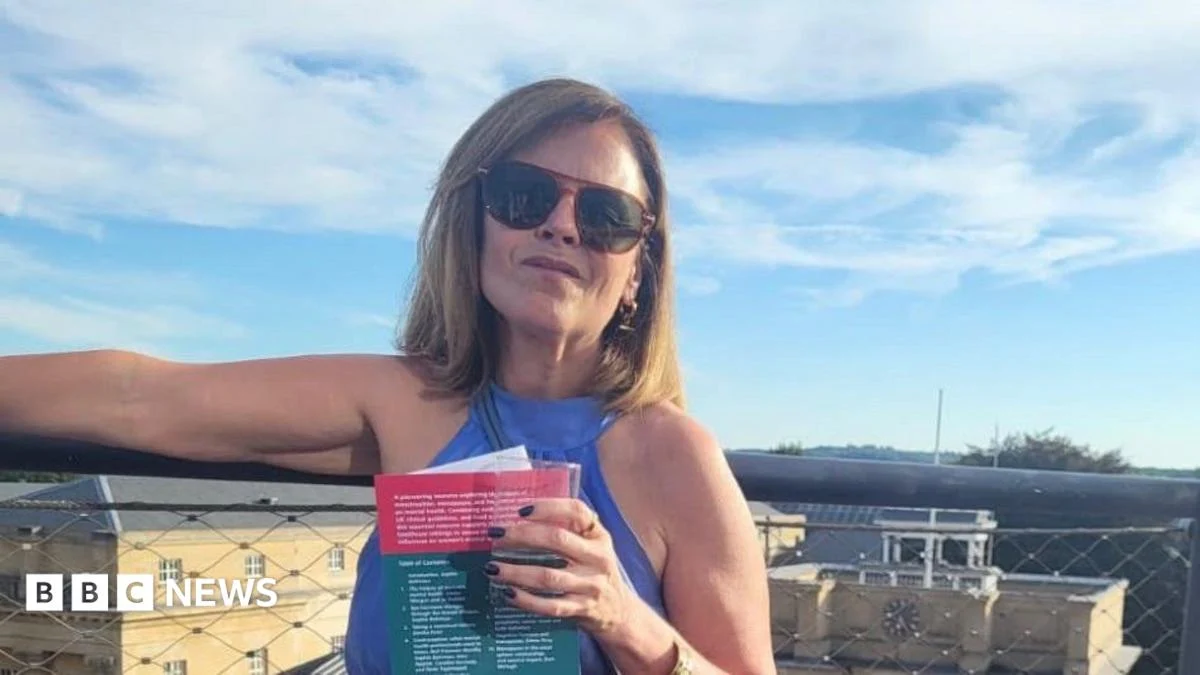
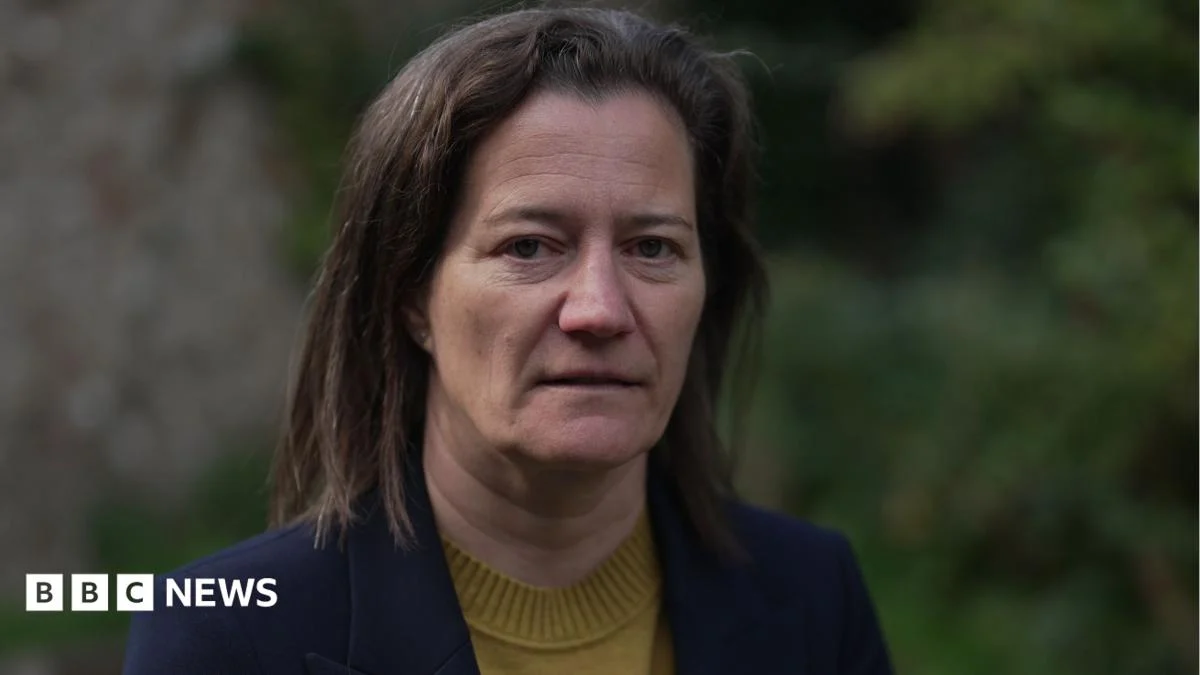
For an agonizing three-year period, Sally Williams was trapped in a bewildering and debilitating spiral, grappling with a profound deterioration of her mental health that threatened to dismantle her entire existence. Her life, once stable and fulfilling, began to unravel at an alarming rate, culminating in a harrowing ordeal that saw her admitted to hospital on eight separate occasions, accumulating nearly 11 months of her life within its walls. The financial security she had built through her career in finance evaporated, her relationship with her teenage son became fractured and distant, and she found herself locked in a desperate, life-threatening battle, utterly unaware that the insidious symptoms plaguing her were intrinsically linked to perimenopause.
"No one joined the dots," Williams recounted, her voice tinged with the lingering pain of those lost years. "It was only me… I joined the dots and it was transformational to start hormone replacement therapy and literally come back to life." It was her own relentless self-advocacy, her refusal to accept the prevailing narrative that her struggles were solely rooted in mental illness, that ultimately illuminated the path towards a diagnosis. Williams, who bravely self-diagnosed after exhausting all other avenues, is now driven by a fervent desire to empower other women, to equip them with the knowledge and understanding of perimenopause, the often-overlooked transitional phase leading up to menopause, which she starkly describes as the "danger zone."
Perimenopause, a biological reality that commonly commences around the age of 46, is characterized by the onset of menopausal symptoms in women who are still experiencing menstrual cycles. The spectrum of these symptoms is vast and varied, often manifesting as debilitating anxiety, volatile mood swings that can disrupt daily life, the frustrating cognitive impairment of "brain fog," and the disconcerting sensation of hot flushes. Irregular periods are another hallmark, adding to the confusion and distress. For many, Hormone Replacement Therapy (HRT) emerges as a beacon of hope, offering a lifeline to alleviate the severity and impact of these symptoms.
When Williams first began experiencing these unsettling changes in her late 40s, a period she now identifies as the onset of perimenopause, the medical professionals she consulted consistently attributed her distress to depression. This misdiagnosis, repeated across multiple consultations, created a chasm of misunderstanding and delayed crucial intervention. "I had multiple attempts on my life, two significant ones, one where I was in a wheelchair for three months for polytrauma, and this was in Covid, so there were no visitors. I had no contact with anyone," she explained, her voice heavy with the trauma of that isolated period. The profound impact of this experience extended to her professional life, forcing her to relinquish her finance job. "I had to leave my job. This was at perimenopause time. My message to women is that, menopause is not the danger zone, it’s the run up, it’s the 45 to 54." This age bracket, she emphasizes, is a critical period of transition that demands greater awareness and understanding.
For Williams, who felt "unrecognisable" to herself and others before her eventual diagnosis, HRT proved to be the transformative treatment that enabled her to reclaim her life. However, she is quick to acknowledge that HRT is not a universal panacea and may not be suitable for every woman. The medication, which works by replenishing and stabilizing estrogen levels, is sometimes prescribed in conjunction with a synthetic or bioidentical form of progesterone, offering a tailored approach to symptom management. The intricacies of HRT and its potential benefits and drawbacks underscore the importance of individualized medical advice and a thorough understanding of personal health profiles.
In a powerful testament to her journey and a commitment to advocating for others, Williams is set to share her hard-fought battle for a menopause diagnosis at Meno Fest, an event scheduled to take place at Worcester Rugby Club on October 7th. This initiative, held during Menopause Awareness Month, aims to foster a deeper collective understanding of the multifaceted ways in which perimenopause and menopause can profoundly impact every facet of a woman’s life. The free event seeks to illuminate the interconnectedness of physical and mental health, the ripple effects on relationships, the challenges faced in the workplace, and the intricate dynamics within family life.
During an interview with the BBC, Williams candidly articulated the profound sense of isolation that engulfed her during the "run-up" to menopause. The disintegration of her social connections was a devastating consequence. "I lost my job. I didn’t see my friends, my family for three years and I was a recluse. I was self neglecting. And my son, who was in his teens, I probably saw him three times," she revealed, the pain evident in her recounting. The impact on her son was particularly heart-wrenching. "He had leave his school and his friends and he had to go and live with his dad because he couldn’t see me. I couldn’t care for him." This stark illustration of the breakdown of family life due to her untreated perimenopausal symptoms underscores the urgent need for greater awareness and support systems.
Williams also stressed the critical importance of engaging men in the conversation surrounding perimenopause and menopause. Her plea extends beyond partners and husbands to include sons and other male family members. "I think men need to come into the conversation as well, and I’m not just talking husbands and partners, I’m talking sons," she urged. The emotional toll of her experience has left indelible scars, and she expressed profound sadness over the irreparable damage to relationships. "It was devastating and there’s relationships that have been broken that will never be put back together. I’m very sad about that." This sentiment highlights the far-reaching consequences of delayed diagnosis and inadequate support, not only for the individual experiencing perimenopause but also for their loved ones. The societal impact of this often-silenced women’s health issue is substantial, necessitating a collective effort to dismantle stigma and foster empathy.
The BBC Action Line provides a vital resource for individuals affected by the issues raised in this story, offering a pathway to help and support for those who have experienced similar struggles. This underscores the broader societal responsibility to address the challenges faced by women navigating perimenopause and menopause, ensuring that no one has to endure such a solitary and devastating journey. The fight for diagnosis that Sally Williams undertook is a powerful reminder that knowledge, advocacy, and accessible healthcare are paramount in empowering women to reclaim their health and well-being during this critical life transition. Her story serves as a compelling call to action, urging for greater understanding, earlier intervention, and a more compassionate approach to women’s health.