
 George Anjay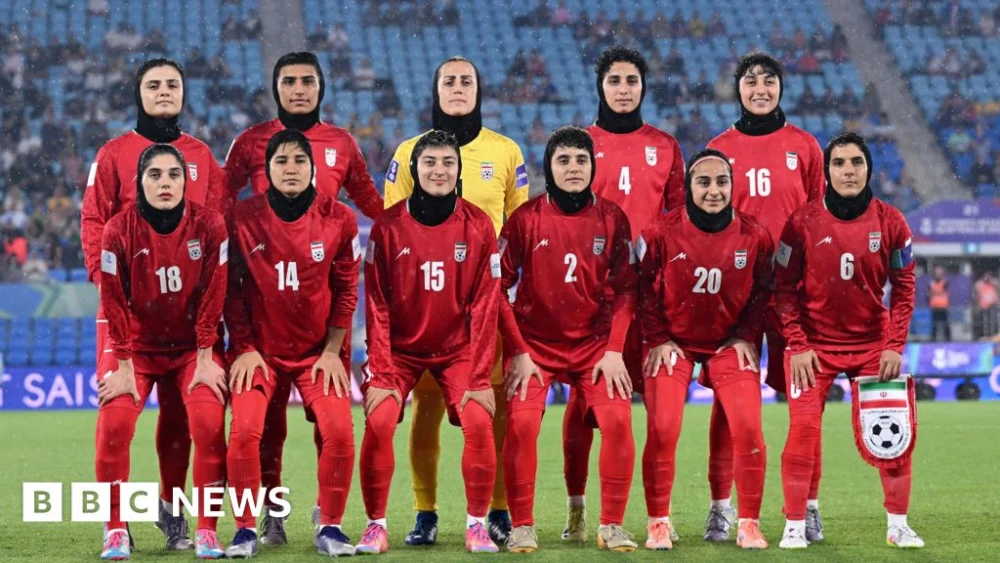
Three more members of the Iranian women’s football delegation, who had been granted humanitarian visas to remain in Australia, have opted to return to their home country, a development that human rights activists in the Iranian diaspora have identified as Zahra Soltan Meshkehkar, Mona Hamoudi, and Zahra Sarbali. The shift in their decisions comes amidst heightened concerns for the team’s safety and well-being following their silence during Iran’s national anthem at their opening Asian Cup match against South Korea on March 2nd. This act of protest, interpreted as a stance against the current political climate in Iran, led to them being labelled "war traitors" by hardline factions back home, a condemnation that cast a shadow over their future prospects in Iran.
Australia’s Home Affairs Minister, Tony Burke, acknowledged the players’ decisions, stating that his government had extended every possible effort to ensure the women were afforded the opportunity for a secure future within Australia. He emphasized that Australia had presented them with genuine choices and engaged with authorities committed to assisting them, a testament to the nation’s humanitarian principles. "Australians should be proud that it was in our country that these women experienced a nation presenting them with genuine choices and interacted with authorities seeking to help them," Minister Burke remarked in a statement. He further elaborated that while the Australian government could facilitate opportunities and communicate them effectively, it could not unilaterally alter the complex geopolitical and personal circumstances influencing the players’ incredibly difficult decisions.
The Iranian sports ministry also officially confirmed the news, a statement first reported by the Tasnim News Agency, which has ties to the Islamic Revolutionary Guard Corps. The ministry’s statement declared, "The national spirit and patriotism of the Iranian women’s national football team defeated the enemy’s plans against this team." It also leveled accusations against the Australian government, suggesting it was "playing in Trump’s field," implying a political motivation behind any perceived encouragement of defection. Tasnim reported that the three players were en route to Kuala Lumpur, Malaysia, to rejoin the rest of their squad, describing their return as a journey "to the warm embrace of their families and homeland after withdrawing their asylum application in Australia." The agency further asserted that they had successfully resisted "psychological warfare, extensive propaganda and seductive offers," portraying their decision as a victory of nationalistic sentiment over external pressures.
This latest development signifies a significant reduction in the number of players seeking asylum in Australia. Initially, seven members of the delegation had expressed a desire to remain in the country. Now, with three opting to return, only three defectors remain. This follows the earlier decision of one player to return to Iran on Wednesday, just days before the latest announcement. Mona Hamoudi and Zahra Sarbali were part of the initial group of five players who evaded their minders at the team’s hotel on the Gold Coast, south of Brisbane, last Monday. They were subsequently taken to a safe house by the Australian Federal Police, indicating the gravity of their concerns.
The second group of players seeking asylum included Zahra Soltan Meshkehkar, a member of the team’s technical staff, who, along with another woman, sought asylum the following day. However, Mohaddeseh Zolfi, the other individual who sought asylum, reportedly changed her mind within hours of being granted the right to stay in Australia. It is understood that she has since rejoined the national team. The series of asylum requests and subsequent withdrawals has underscored the precarious situation faced by the players, particularly in light of the potential repercussions they might face in Iran.
Concerns had been mounting in Australia that members of the team and their families could face punitive measures in Iran due to their refusal to sing the national anthem. This act of protest had drawn sharp criticism from conservative commentators within Iran’s state media, with one labeling them "wartime traitors" and advocating for severe punishment. The fact that the team did sing the anthem in their subsequent two matches before their elimination from the tournament on Sunday has led many critics to believe that they were coerced into doing so by government officials accompanying them throughout the competition. This perceived shift in their stance fueled speculation about the pressures they were under.
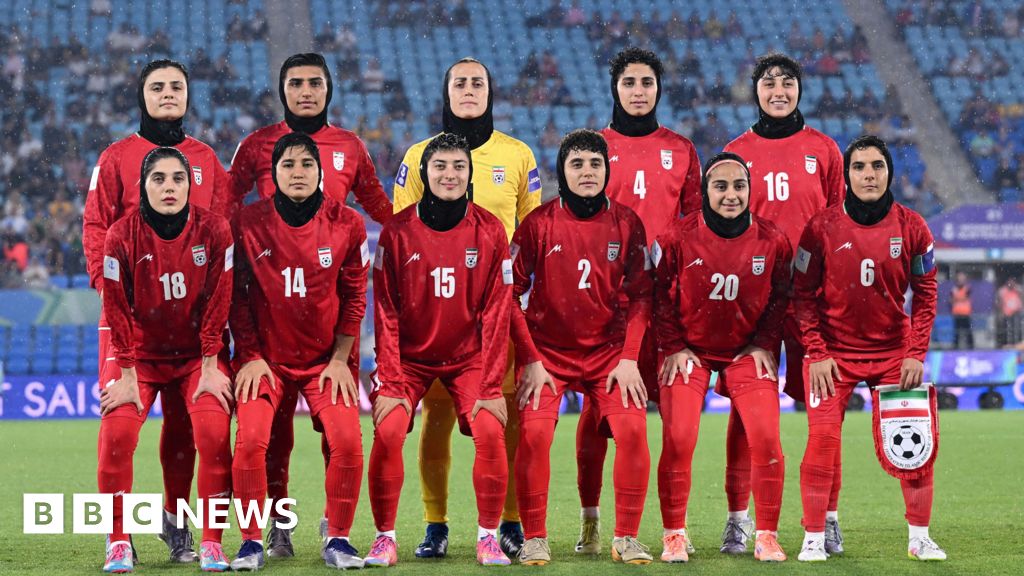
The remaining Iranian players, having been knocked out of the Asian Cup, departed Australia on Tuesday night local time, two days after their tournament exit, marking the end of a controversial chapter for the team on Australian soil. The narrative surrounding their time in Australia has been one of political tension, personal bravery, and the complex interplay of international relations and individual freedom. The decisions of these athletes highlight the profound impact of political dissent and the challenging choices individuals face when their personal beliefs clash with the demands of their national governments, especially within the context of a regime like that in Iran.
The situation of the Iranian women’s football team has resonated far beyond the sporting arena, becoming a focal point for discussions on human rights, political expression, and the role of sports in international diplomacy. The initial act of defiance, by remaining silent during the national anthem, was a powerful statement in a country where such public displays of dissent are fraught with danger. For many, their refusal to sing was a silent protest against the oppressive regime and its policies, particularly concerning women’s rights. The subsequent pressure and the reported "seductive offers" suggest a concerted effort by the Iranian authorities to control the narrative and ensure the return of their national team members, regardless of their individual desires or fears.
The involvement of human rights activists in identifying the players and highlighting their plight underscores the broader struggle for freedom and democracy within Iran. These activists play a crucial role in amplifying the voices of those who are silenced or suppressed by the state. Their efforts to provide support and information to the players in Australia have been instrumental in bringing international attention to their situation. The fact that the players were able to give their minders the slip and seek refuge with the Australian Federal Police speaks volumes about the level of fear and determination that drove their actions.
The Australian government’s response, while framed within humanitarian concerns, also reflects the diplomatic complexities of dealing with Iran. By offering humanitarian visas, Australia demonstrated a willingness to provide a safe haven, but it also acknowledged the limitations of its influence in compelling individuals to remain against their will, especially when faced with the powerful pull of family and homeland, however fraught with political peril that homeland might be. Minister Burke’s statement that Australia cannot remove the context in which these decisions are made is a poignant reminder of the deep-seated issues at play.
The Iranian state media’s portrayal of the situation as a victory for national spirit and a defeat of "enemy plans" is a classic tactic of authoritarian regimes seeking to control public perception and maintain domestic support. By framing the players’ potential defection as a foreign-orchestrated plot, they aim to discredit any dissent and reinforce a narrative of national unity against external threats. The reference to "Trump’s field" suggests an attempt to link Australian actions to perceived American hostility towards Iran, further solidifying a us-versus-them mentality.
The return of the majority of the delegation to Iran raises significant questions about their reception and potential treatment. While the Iranian state media portrays their return as a patriotic act, the initial condemnation as "war traitors" suggests that some factions may not be so forgiving. The safety and freedom of these players will undoubtedly remain a concern for human rights organizations and international observers. The lingering presence of three players seeking asylum in Australia, however, continues to represent a beacon of hope for those who aspire to a different future, free from political oppression. Their remaining stance, despite the departures, signifies an enduring commitment to their convictions, even in the face of immense pressure and uncertainty. The story of the Iranian women’s football team in Australia serves as a stark reminder of the courage required to challenge oppressive regimes and the complex, often perilous, journey of seeking freedom.



 Nakalama John
 atisusanti
 Ramos Leo
 Roy Suryo
 Nana Banana