Nakalama John
The escalating cost of heating oil has become a critical concern for hundreds of thousands of homes, with prices spiking sharply since the outbreak of the US-Israeli war with Iran. This conflict has sent shockwaves through international crude oil markets, pushing the price of a barrel well above $100 (£75) – a significant jump from the $71 per barrel recorded just before hostilities commenced. This rapid increase directly translates into higher costs for consumers, many of whom rely solely on oil for their heating and hot water needs.
Sir Keir Starmer’s anticipated intervention will reportedly include a £50 million support fund. While the exact mechanisms of this financial aid are yet to be fully detailed, it is widely expected to comprise targeted grants, direct payments, or rebates designed to help vulnerable households absorb the increased costs. Speculation suggests the package might involve a one-off payment per eligible household or a temporary subsidy to reduce the per-litre price of heating oil, mirroring previous government interventions in other energy sectors. Beyond direct financial assistance, the Prime Minister is also expected to deliver a stern warning to energy companies, stating unequivocally that his government "will not tolerate companies trying to exploit this crisis" through excessive pricing or unfair practices, following accusations of widespread price gouging.
A key differentiator for households using heating oil, compared to those connected to the gas and electricity grids, is the absence of regulatory protection. Unlike gas and electricity prices, which are subject to a cap set by the industry regulator Ofgem, heating oil prices operate in an unregulated market. This means consumers are directly exposed to the full force of global market fluctuations, with no upper limit on what suppliers can charge. This lack of a price ceiling leaves off-grid households particularly vulnerable during periods of market volatility, making government intervention all the more crucial.
The issue of soaring heating oil costs is particularly acute in Northern Ireland, where an estimated 500,000 homes, representing almost two-thirds of all households, depend on it as their primary heating source. This high dependency is largely due to the region’s more limited natural gas infrastructure compared to other parts of the UK, leaving a significant portion of the population with fewer alternatives. Beyond Northern Ireland, the problem affects a substantial minority across the rest of the UK; a 2021 census indicated that approximately 3% of households in England and Wales, and 5% in Scotland, relied on oil as their sole source of central heating. These figures often represent rural communities, older properties, and homes located away from main urban centres, where connection to the gas grid is either unavailable or prohibitively expensive. Many of these households are already facing broader cost-of-living pressures, making the heating oil price hike an especially severe blow.

The accusations of price gouging have gained significant traction, prompting a robust response from the government. Last week, a senior minister, reportedly Reeves, publicly expressed concerns that some heating oil companies were using the Middle East crisis as "an opportunity to rip off consumers" and formally requested the Competition and Markets Authority (CMA) to investigate the issue. The CMA, the UK’s primary competition regulator, possesses significant powers to investigate markets, identify anti-competitive practices, and impose fines or other remedies if wrongdoing is found. An inquiry by the CMA would scrutinise pricing strategies, supply chain transparency, and potential collusion among distributors, aiming to ensure fair competition and protect consumers.
In response to these allegations and the CMA’s potential involvement, the UK and Ireland Fuel Distributors Association (UKIFDA), the representative body for heating oil suppliers, acknowledged the challenging market conditions. They stated that their members had experienced "a very large and unexpected increase in demand." UKIFDA argued that this surge in demand, coupled with rapid price swings in the wholesale market, presented significant operational challenges. They added, "We have spoken to many distributors who, despite the very large price swings and demand, are honouring orders as quickly as they can. We know that the CMA is monitoring this, and we support this approach." This highlights the complex interplay of supply, demand, and public perception during a crisis, where legitimate cost increases can be difficult to distinguish from exploitative practices.
The Prime Minister’s address on Monday is expected to directly confront these concerns, particularly reports of cancelled orders and unjustified price increases. Sir Keir is anticipated to issue a stark warning, stating, "If the companies have broken the law, there will be legal action." This indicates the government’s readiness to pursue legal avenues if the CMA investigation uncovers evidence of unlawful behaviour, such as price fixing or abuse of a dominant market position. Such legal action could involve significant penalties for companies found in breach of competition law, underscoring the government’s commitment to protecting consumers.
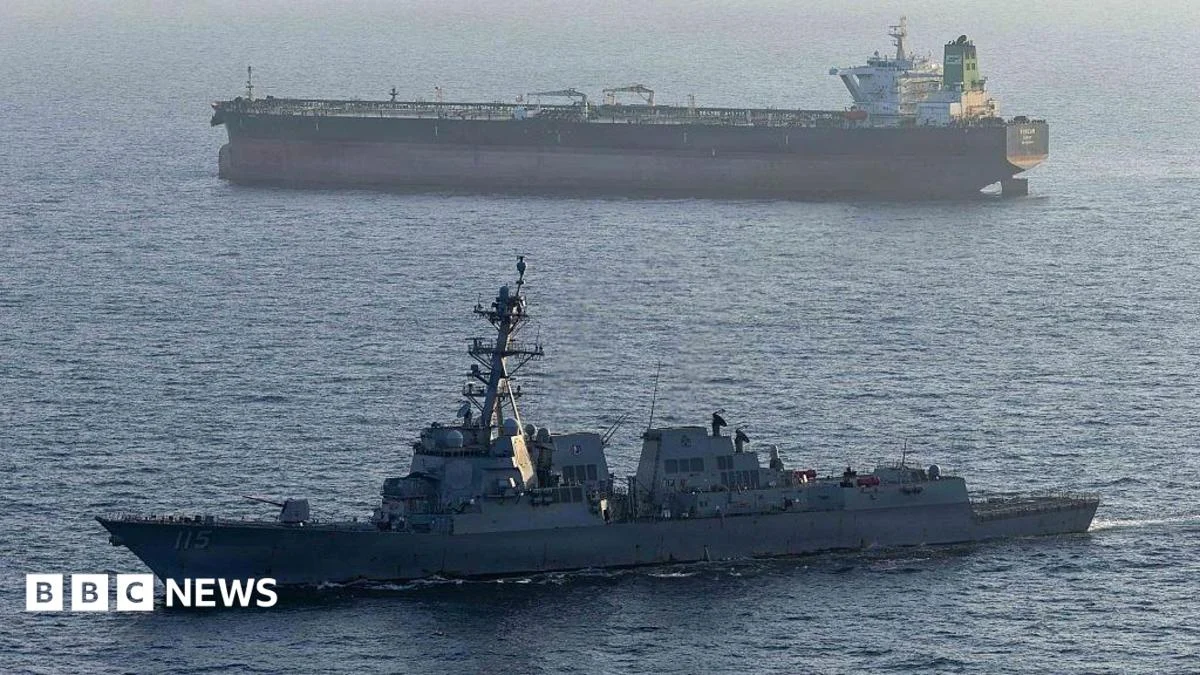
The dramatic spike in crude oil prices is deeply rooted in the geopolitical instability sparked by the US-Israeli war with Iran. The most significant factor has been the effective closure of the Strait of Hormuz, a critical maritime chokepoint that funnels approximately one-fifth of the world’s global oil supplies from the Middle East to international markets. Any threat or disruption to this vital waterway immediately sends jitters through global commodity markets, driving up prices as traders anticipate supply shortages. Last week, crude oil prices briefly touched nearly $120 a barrel before settling back down to around $104 a barrel by Friday. While slightly lower, this figure remains substantially higher than pre-conflict levels, reflecting the ongoing market anxiety and the real costs of disrupted supply chains and increased shipping risks. The conflict has also likely led to increased insurance premiums for tankers, higher operational costs, and a general risk premium being built into oil prices.
For now, households relying on gas and electricity in England, Wales, and Scotland benefit from the energy price cap, which is regularly reviewed and set by Ofgem. This cap is designed to protect consumers from extreme wholesale price volatility, and under the current projections, bills are expected to fall slightly in April. However, the future remains uncertain. The wholesale energy market’s performance between now and late May will be critical in determining the energy cap level for the period starting in July. A sustained period of high wholesale costs, influenced by the ongoing geopolitical situation and broader global demand, could lead to a sharp and unwelcome increase in energy prices for millions of households later in the year.

The current situation bears echoes of previous energy crises, such as the period following the COVID-19 pandemic and Russia’s full-scale invasion of Ukraine. During those times, the government was compelled to implement significant interventions, including the Energy Price Guarantee, to shield consumers from unprecedented bill hikes. This historical precedent underscores the severity of the current heating oil crisis and the government’s perceived responsibility to step in when market forces create untenable financial burdens for its citizens.
The government’s strategy of direct financial support has not been without its critics. Speaking on a related programme, shadow energy security secretary Claire Coutinho called on the government to instead implement the "cheap power plan" previously outlined by the Conservatives. This plan, detailed in their manifesto last year, aims to reduce energy bills through a long-term strategy focused on increasing domestic energy production, investing in a diverse energy mix (including renewables and nuclear power), and streamlining regulatory processes to bring new, cheaper energy sources online faster. Coutinho argued that the "first port of call should be to reduce costs" to people’s energy bills at the source, rather than relying on taxpayer-funded interventions after the fact. This highlights a fundamental ideological divide in addressing the energy crisis: whether to provide immediate, targeted relief or to focus on structural reforms to prevent such crises in the first place.
As the UK heads into a period of continued economic uncertainty, the government’s response to the heating oil crisis will be closely watched. Beyond the immediate relief measures, the crisis also prompts a broader conversation about energy security, the vulnerability of off-grid households, and the long-term sustainability of the nation’s heating infrastructure. The Prime Minister’s announcement marks a crucial moment in addressing both the immediate pain of high bills and the enduring challenges of ensuring affordable and reliable energy for all.



 Nana Banana
 George Anjay
 Ramos Leo