Nakalama John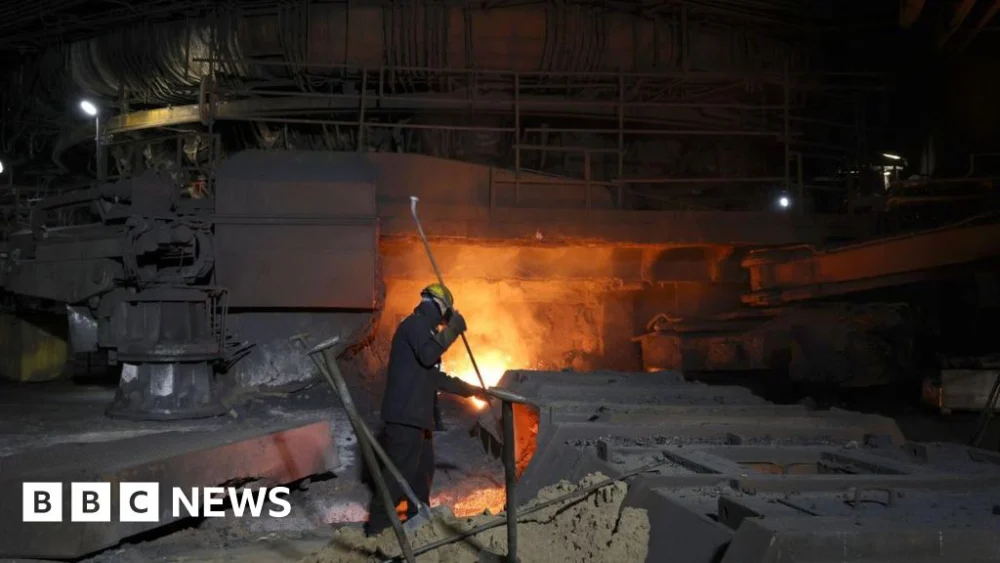
The National Audit Office, the UK’s independent public spending watchdog, scrutinised the Department for Business and Trade’s (DBT) actions, finding that the government stepped in decisively in April 2025 to avert the closure of the Scunthorpe blast furnaces. Such a closure would have resulted in significant job losses, potentially devastating the local economy of North Lincolnshire, and causing severe disruptions across vital UK industries that rely on domestically produced steel, including major infrastructure projects like those undertaken by Network Rail. The decision to intervene was deemed essential to prevent a catastrophic collapse of a cornerstone of British manufacturing, safeguarding thousands of direct and indirect jobs and maintaining a critical industrial capability.
The £377 million figure covers the period between April 12, 2025, and January 31, 2026. Delving into the breakdown of these costs, the NAO report details that £15 million was spent on a myriad of external advisers, a common feature in complex industrial rescue operations but one that often draws public scrutiny. The bulk of the expenditure, £359 million, was funnelled directly to British Steel to cover essential operating activities. This included crucial expenses such as the procurement of raw materials – iron ore and coking coal – necessary for the blast furnace process, as well as meeting payroll obligations for the thousands of employees at the North Lincolnshire plant. An additional £3 million was allocated for legal and other associated costs, reflecting the intricate nature of the financial and contractual arrangements put in place.
Despite being classified as a loan, the NAO expressed significant concerns about the financial terms surrounding this substantial government outlay. The report explicitly states that the DBT has no repayment schedule in place, and more critically, it was not apparent that British Steel would realistically be able to repay the loan under current conditions. This raises questions about the long-term viability of the Scunthorpe site and the ultimate financial burden on the taxpayer. The NAO’s projections paint an even more sobering picture, estimating that spending is expected to reach £615 million by June 2026. If the current rate of expenditure persists, the total government support could escalate beyond £1.5 billion by 2028, turning a temporary lifeline into a potentially enduring and increasingly expensive commitment.
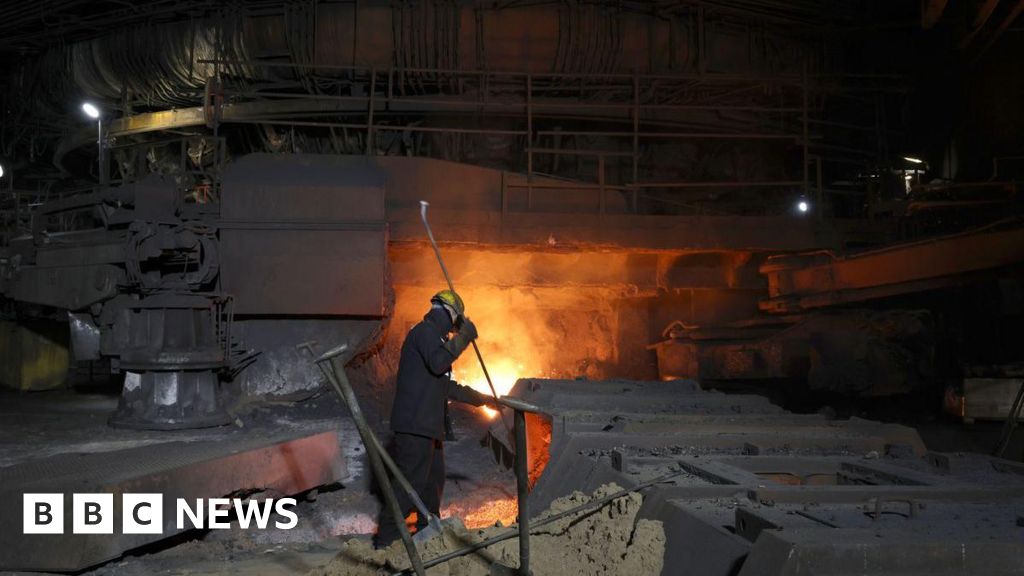
The genesis of this crisis can be traced back to earlier discussions between British Steel’s previous owner, Jingye, and the DBT. From 2022 to 2025, both parties engaged in talks regarding a crucial transition for the Scunthorpe site: moving away from the traditional, carbon-intensive blast furnaces to more modern and environmentally friendly electric arc furnaces (EAFs). EAFs use scrap metal to produce steel, offering a significantly lower carbon footprint compared to blast furnaces which rely on virgin iron ore and coking coal. However, these discussions failed to reach a definitive agreement, largely due to the substantial capital investment required for such a transition and the challenging economic environment.
In March 2025, the situation reached a critical juncture when Jingye publicly announced it was incurring losses of £700,000 per day. The company attributed these significant losses to a confluence of adverse factors: challenging global market conditions, including intense competition from international producers; the impact of tariffs on steel imports and exports; and the escalating environmental costs associated with operating blast furnaces in the UK, which faces stringent emissions regulations. Faced with these insurmountable financial pressures, Jingye began to consider the drastic step of closing the blast furnaces at Scunthorpe, prompting the immediate and urgent government intervention.
The potential closure would have had far-reaching consequences beyond the immediate job losses at the Scunthorpe site. It would have sent shockwaves through the entire UK supply chain, affecting numerous downstream industries and key customers. Network Rail, for instance, a major consumer of British Steel’s products for railway infrastructure, would have faced significant disruption and potentially higher costs from sourcing steel from overseas. Recognising the systemic risk, the government acted swiftly, passing emergency legislation to enable the DBT to issue formal instructions to British Steel, effectively compelling them to continue operating the blast furnaces. The NAO commended the government department for its rapid response, mobilising a team on site and securing the necessary raw materials to ensure continuous operation. This swift action prevented an immediate collapse, but at a considerable and ongoing cost.
A Government spokesperson defended the intervention, stating, "Last year we protected thousands of jobs by saving British Steel from collapse, and we are determined to support British steelmaking now and for generations to come." The spokesperson further highlighted the transparency of their efforts, noting that "We update parliament on British Steel every four weeks, including spending, and we continue discussions with Jingye to find a pragmatic, realistic solution for its long-term future." This statement underscores the government’s commitment to finding a sustainable path forward for British Steel, acknowledging the immediate necessity of the intervention while also pointing to ongoing efforts to secure a more stable future.
The government’s actions have also been strongly supported by trade unions. Alasdair McDiarmid, assistant general secretary of the Community union, praised the swift intervention, asserting that there would have been "catastrophic" financial and social impacts had the government "sat on its hands" and allowed the closure. He emphasised the broader implications, stating, "The government made the right decision to invest now because local economies would have been decimated, our nation would have been less secure and we would have seen a massive and long-term increase to the welfare bill." McDiarmid’s comments highlight the social imperative behind the government’s decision, positioning it not merely as an economic subsidy but as a necessary measure to protect communities, national security, and public finances in the long run by avoiding the societal costs of mass unemployment.
The situation at British Steel’s Scunthorpe site is emblematic of the broader challenges facing heavy industry in developed economies. The global steel market is intensely competitive, often characterised by overcapacity and fluctuating demand. Energy costs in the UK remain a significant factor, impacting the competitiveness of energy-intensive industries like steelmaking. Furthermore, the increasing pressure to decarbonise industrial processes and meet ambitious climate targets adds another layer of complexity and cost. The transition to "green steel" production, utilising technologies like EAFs or hydrogen-based direct reduced iron, is crucial for the long-term viability of the sector but requires monumental investment and strategic planning.
The government’s ongoing support for British Steel, while costly, is therefore a multifaceted decision. It balances the immediate need to protect jobs and industrial capacity with the long-term imperative to modernise and decarbonise. The lack of a clear exit strategy or repayment plan, as highlighted by the NAO, remains a significant concern, posing a risk to taxpayer money and demanding greater transparency and accountability. As discussions with Jingye continue, the challenge for the DBT will be to forge a solution that not only secures the future of British steelmaking but also provides value for money, aligns with environmental goals, and ensures the sustainable economic prosperity of regions like North Lincolnshire for generations to come. The £1.3 million a day cost is not just a financial figure; it represents the daily investment in the future of a vital industry and the communities it sustains.


 Roy Suryo
 George Anjay
 Ramos Leo