
 Ramos Leo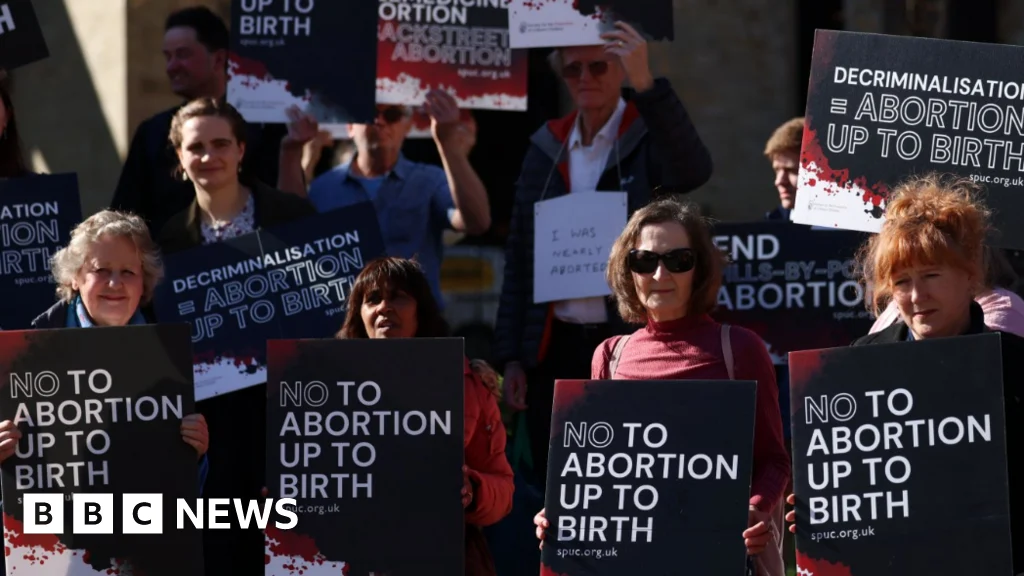
At the heart of the debate was an amendment, originally known as the Antoniazzi amendment in the Commons, which sought to remove abortion from the criminal statute books, specifically the 1861 Offences Against the Person Act. This Victorian-era legislation currently criminalises abortion, with the 1967 Abortion Act providing a legal framework under which terminations can be performed, but still requiring two doctors’ consent and specific grounds. Decriminalisation would not abolish all regulation but would shift the legal framework so that abortion would be governed by medical regulation, similar to other medical procedures, rather than by criminal law.
A leading voice against the decriminalisation bid in the Lords was Conservative peer Baroness Monckton of Dallington Forest. She tabled an amendment aimed at overturning the Commons’ support for the Antoniazzi amendment, expressing grave concerns about its legislative journey. Baroness Monckton argued that the original amendment had been "added to the Bill after less than an hour of debate by MPs, and without the necessary scrutiny required for an issue of such seriousness." Her contention was that such a profound change to national law demanded far more extensive parliamentary examination than it had received.
Baroness Monckton passionately urged her fellow peers to reject what she termed Antoniazzi’s "radical proposal," characterising decriminalisation as "an extreme social change for which there is no public pressure or demand, and could have tragic consequences for women." Her argument highlighted fears that removing criminal sanctions could lead to a loosening of existing safeguards, potentially increasing the number of abortions or making them accessible under less controlled circumstances.
Her stance found strong support from the new Archbishop of Canterbury, Sarah Mullally, who echoed concerns about the potential erosion of existing safeguards. The Archbishop articulated her belief that while the intention of the amendment might not be to alter the current 24-week abortion limit, it "undoubtedly risks eroding the safeguards and enforcement of those legal limits and inadvertently undermining the value of human life." She stressed the inherent preciousness of all life and questioned the appropriateness of addressing a matter of such "legal, moral and practical complexity" through a "hastily added" amendment to another piece of legislation. This sentiment underscored the long-standing involvement of religious institutions in the abortion debate, often advocating for stronger protections for unborn life.
Adding to the opposition, Conservative Baroness Lawlor condemned the amendment as "a bad clause," predicting it would result in "tiny lives being ended in the most cruel and painful way" and that mothers involved would then be "haunted forever." These powerful statements reflect the deeply emotional and ethical dimensions of the debate, where opponents of decriminalisation often emphasise the moral status of the fetus and the potential psychological impact on women.
However, the arguments for decriminalisation were equally fervent. Labour peers, including Baroness Neate, strongly advocated for the changes, emphasizing the need to make abortion more accessible for vulnerable individuals. Baroness Neate highlighted a critical link between domestic abuse and pregnancy, stating, "it’s common for domestic abuse to begin with pregnancy." She argued that "creating clinically unnecessary barriers to abortion helps abusers, not survivors," positioning decriminalisation as a measure to protect women from coercive control and ensure timely access to essential healthcare. This perspective frames abortion access as a matter of public health and women’s safety, rather than solely a moral issue.
The vote on Baroness Monckton’s amendment ultimately saw it rejected by 185 votes to 148, demonstrating a clear majority in the House of Lords in favour of supporting the decriminalisation of abortion. This outcome aligns the Lords with the Commons on this contentious issue, pushing the proposed reform further through the legislative process.
Beyond the core debate on decriminalisation, peers also considered another significant aspect of abortion access: the provision of at-home medical abortions. A separate bid was made to mandate an in-person consultation before a pregnant woman could lawfully be prescribed medicine for the termination of a pregnancy at home. Tory peer Baroness Stroud tabled this amendment, arguing that requiring an in-person appointment "would ensure medical professionals can accurately assess a woman’s gestational age, any health risks and the risk of coercion before abortion pills are prescribed."
This debate stemmed from changes implemented during the first Covid-19 lockdown in March 2020, which allowed women to have medical abortions at home following a phone or video consultation. This measure, initially temporary, was made permanent in 2022, permitting women up to nine weeks and six days pregnant to take abortion pills at home. Proponents of at-home abortion emphasize convenience, reduced travel, privacy, and the ability to access care quickly, especially for those in rural areas or with limited mobility. Critics, however, raise concerns about the accuracy of gestational age assessment without a physical examination and the potential for coercive situations to go undetected. Despite these concerns, the House of Lords rejected Baroness Stroud’s bid to revert to compulsory in-person consultations by an even larger margin of 191 votes to 119, reinforcing the current policy of remote consultation for early medical abortions.
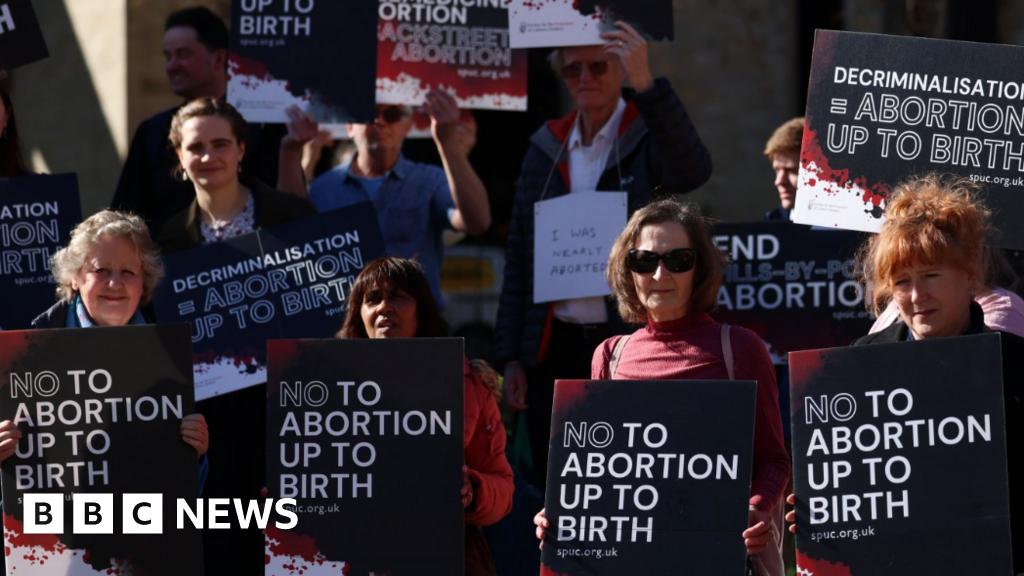
The debates in the House of Lords unfolded against a backdrop of public demonstration, with both pro-choice and pro-life campaigners gathering outside Parliament, displaying banners and placards that vividly illustrated the deep societal divisions on the issue. Speaking to the BBC, a pro-life campaigner identified only as Sarah articulated her viewpoint: "We need to protect the unborn child in the womb and we also need to protect women from abortion because abortion harms women as well as their children." Her conviction was rooted in faith, stating, "I believe that every child, from the moment of conception, is valuable in the eyes of God and I don’t believe that there are any situations that really allow abortion, because we’re not the ones that give life and we’re not the ones that should take it away either." She also shared a personal dimension, adding, "I’ve struggled to conceive – I’ve been married 15 years – so it’s very difficult to see so many lives lost by abortion when I would have gladly taken any one of them into my family."
On the other side, pro-choice campaigner Louise McCudden, who works for abortion provider MSI Reproductive Choices UK, condemned the current legal framework as "unacceptable." She argued that women in England and Wales should not still be subject to a "Victorian law created before women had the right to vote." McCudden drew on international experience, stating, "We know from providing reproductive healthcare across six continents that criminalisation harms women and makes abortion less safe." She highlighted the "historic opportunity" presented by the Lords’ vote "to end the threat of prosecution once and for all, pardon women who have been previously convicted, and drop ongoing investigations." McCudden also contextualised the UK’s move within a global landscape, noting, "At a time when we are seeing rollbacks in reproductive rights around the world, most notably in the US, it’s encouraging that our parliament is standing up for women." Her comments allude to recent legislative changes in some US states that have significantly restricted abortion access, contrasting with the UK’s trajectory towards liberalisation.
This vote in the House of Lords represents a pivotal moment in the ongoing evolution of abortion rights in the United Kingdom. While the debate is far from over and the legislative process continues, the affirmation by both Houses of Parliament for decriminalisation signals a strong parliamentary intent to modernise abortion law. It moves the UK closer to a model where abortion is regulated as a medical procedure, aligning with calls from medical bodies and women’s rights organisations. The profound ethical, moral, and personal dimensions of abortion ensure that the discussion will remain a significant feature of public and political discourse, but for now, the path towards decriminalisation appears clearer than ever.




 Roy Suryo

 Nakalama John
 atisusanti
