
 Ramos Leo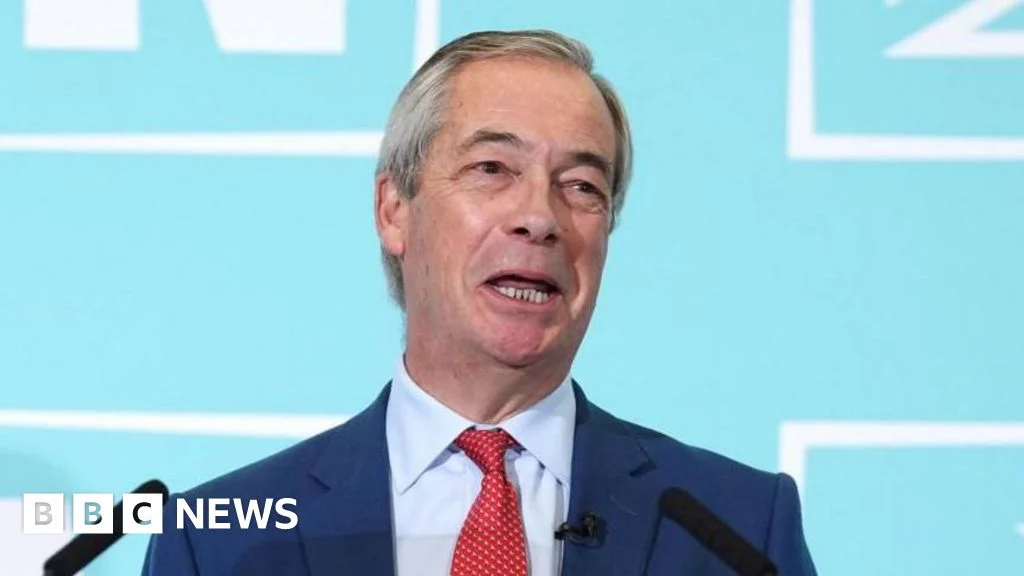
The incident came to light on Thursday, March 19, 2026, when the Guardian newspaper published details of the video. In the clip, Farage, known for his provocative rhetoric, recorded a personalised greeting where he claimed he was "gutted" to be unable to attend a wedding because "half the guests were Welsh." He then added, "I don’t know. Who knows what would have happened with all those foreign speakers there. I don’t know." The comment quickly circulated, drawing immediate and widespread criticism for what many perceive as a dismissive and insulting attitude towards the Welsh language and its speakers.
Cameo is a platform that allows individuals to request personalised video messages from celebrities, public figures, and politicians for a fee. Users typically provide a short prompt or even a full script for their chosen personality to follow, with the resulting clip usually lasting less than a minute. According to the Guardian’s investigation, the Cameo user who commissioned the video had asked Farage to record a wedding message for a couple named "Toby and Sam" in July 2025. Crucially, the user’s prompt reportedly included a specific request for Farage to incorporate the phrase "far too many foreigners for me" when referring to the Welsh guests. This detail raises questions about the extent to which Farage was following a script provided by the user versus expressing his own views, though the decision to utter such words ultimately rested with him.
The timing of the video’s emergence could not be more sensitive for Reform UK. With the Senedd election fast approaching in May 2026, the party is vying for a prominent position, with recent polling suggesting they are in a tight contest with Plaid Cymru for the top spot, as Welsh Labour struggles to maintain its long-held dominance in Cardiff Bay. Farage, as the national leader of Reform UK, plays a significant role in the party’s public image and campaign strategy, and his words carry considerable weight, especially in a devolved nation like Wales where cultural identity and language are deeply cherished.
Rival political parties were quick to seize on the opportunity to lambast Farage and, by extension, Reform UK. Welsh Conservative Senedd leader Darren Millar was particularly scathing, describing Farage’s remarks as a "gross insult to the people of Wales." Millar elaborated, stating, "These comments suggest that Reform UK doesn’t care about Wales, our language, our culture or our heritage. For a party seeking to gain seats in the Senedd, this level of disrespect is frankly astonishing and deeply concerning. It shows a fundamental misunderstanding, or worse, a deliberate disregard for what makes Wales unique and proud."
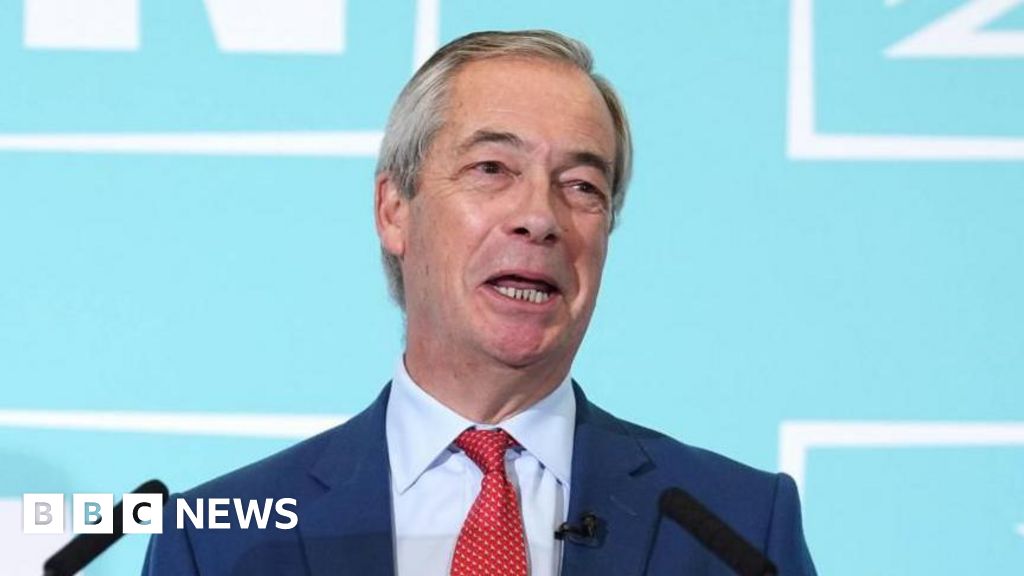
A spokesperson for Welsh Labour echoed this sentiment, condemning the comments unequivocally. "Here we have it clear as day – Farage’s disdain for the people of Wales and the Welsh language," the spokesperson declared. "At a time when we should be celebrating our distinct culture and language, a prominent national political figure chooses to mock it. This is not just a gaffe; it reflects a deeper prejudice that has no place in Welsh politics. Voters in Wales deserve leaders who respect their identity, not those who belittle it." The Labour party, traditionally strong in Wales, will likely use this incident to draw a sharp contrast between its commitment to Welsh identity and Reform UK’s perceived indifference.
Plaid Cymru, the Welsh nationalist party, which champions the Welsh language and culture, reacted with particular vehemence. In a direct post on X (formerly Twitter), the party stated unequivocally that Reform "was not fit to be anywhere near power in Wales." Later on Thursday, Plaid Cymru’s Welsh language spokesperson, Heledd Fychan, added her voice to the chorus of criticism. "Farage has shown his true colours – he doesn’t care about nor respect Wales or our language," Fychan asserted. "For generations, the Welsh language has faced challenges, but it is a vibrant, living language integral to our national identity. To refer to its speakers as ‘foreign’ in their own country is not only ignorant but deeply offensive. This demonstrates a complete lack of understanding and empathy from Farage and raises serious questions about Reform UK’s true intentions for Wales." Plaid Cymru is likely to leverage this incident to rally support among Welsh speakers and those who value the nation’s distinct cultural heritage.
Welsh Liberal Democrat leader Jane Dodds also weighed in, describing Farage’s comment as "disgraceful" and indicative of "sneering ignorance." Dodds emphasised the importance of inclusivity, stating, "Wales is a welcoming nation, proud of its bilingualism and diverse communities. To dismiss a significant portion of its population, based on their language, as ‘foreign speakers’ is not only offensive but deeply divisive. It showcases a profound lack of respect for the very people whose votes Reform UK is seeking."
The Wales Green Party joined the chorus of condemnation, issuing a strong statement: "Farage has no respect for Wales at all." A party spokesperson accused him of making "glib remarks about us like one more group of people to aim his hatred at." This accusation aligns with a common critique of Farage’s political style, which often involves identifying and targeting specific groups or aspects of national identity for criticism.
In response to the growing backlash, a spokesperson for Nigel Farage issued a statement attempting to downplay the significance of the video. "A Cameo is a short personalised message requested by members of the public and should not be treated as political statements or campaign activity," the spokesperson said. This defence aims to frame the incident as a private transaction rather than a public political utterance, suggesting that Farage was merely fulfilling a customer’s request without endorsing the sentiment himself.
However, this explanation has been met with scepticism, particularly given Farage’s high public profile and his active role in leading a political party into an election. Critics argue that any public figure, especially a party leader, has a responsibility for the words they utter, regardless of the platform or context, particularly when those words touch upon sensitive issues of national identity and language.
Adding to Reform UK’s defence, James Evans, a Reform Member of the Senedd (MS), spoke to BBC Wales, acknowledging that "while it was for Farage to answer for his own words," he wanted to reassure the Welsh public that the Welsh language was "very important" to the party. He added: "Wales, let me be very clear, is a bilingual nation. We speak English and Welsh, and whatever language you speak, you should feel welcome in our country. Reform UK is committed to protecting and promoting the Welsh language as an integral part of our national fabric." Evans’s statement highlights the challenge for Reform UK in reconciling their leader’s controversial comments with their desire to be seen as a legitimate and respectful political force within Wales.
The incident underscores the deeply ingrained cultural and political significance of the Welsh language. Welsh is an official language of Wales, with concerted efforts and policies in place to promote its use and increase the number of speakers. For many, the language is not merely a means of communication but a fundamental cornerstone of Welsh identity and nationhood. Farage’s casual dismissal of Welsh speakers as "foreign" therefore strikes at the heart of this identity, echoing historical struggles for linguistic recognition and survival.
This controversy is set to dominate the political discourse in Wales in the coming weeks, potentially shaping perceptions of Reform UK and Nigel Farage himself. While some of Farage’s supporters might view the comments as typical "straight talk" or a harmless joke, for a significant portion of the Welsh electorate, it will likely be seen as further proof of an outsider’s disrespect for their culture. As the Senedd election looms, parties will undoubtedly continue to highlight the incident, forcing Reform UK to navigate a difficult period of damage control and reaffirmation of their commitment, or lack thereof, to Wales’s unique identity. The political fallout from this Cameo video could have lasting implications for Reform UK’s ambitions in Cardiff Bay.




 Roy Suryo

 Nakalama John
 atisusanti
