
 Roy Suryo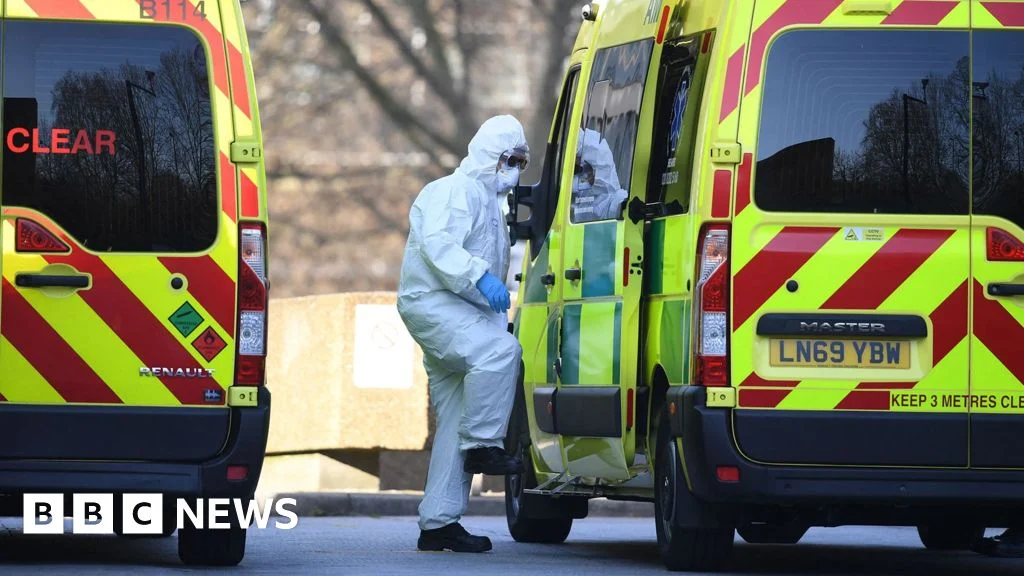
The long-awaited, comprehensive report into the profound impact of the Covid-19 pandemic on the National Health Service (NHS) in England has been published, revealing a system that teetered on the brink of collapse and narrowly avoided a catastrophic breakdown due to the exceptional dedication of its healthcare professionals. The extensive 400-page document scrutinizes critical aspects of the pandemic response, notably questioning the efficacy and unintended consequences of the government’s "Stay at Home" messaging, highlighting significant failures in patient care, and concluding that hospital visiting restrictions were excessively stringent.
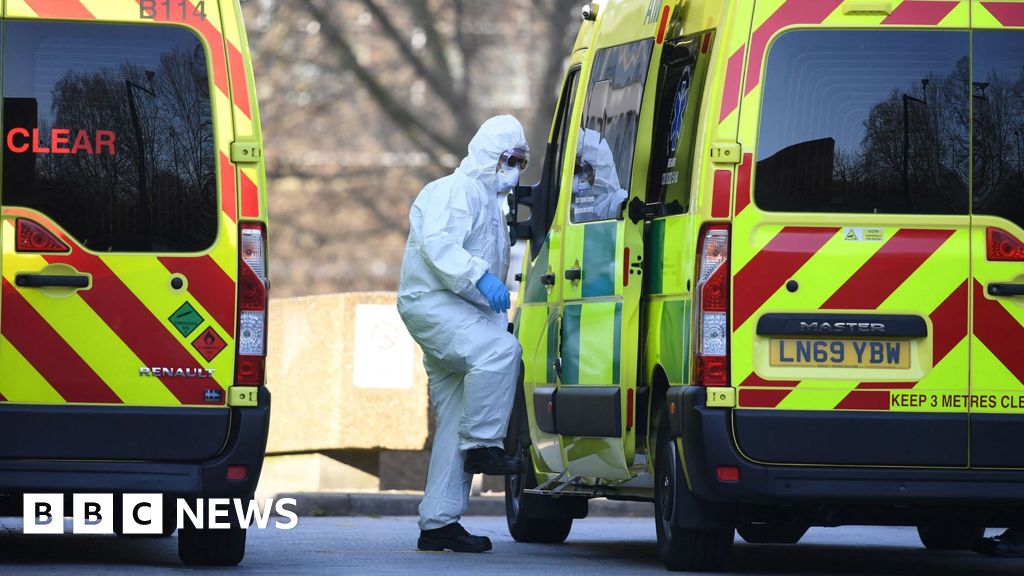
One of the most alarming findings is the assertion that a decade of austerity had left the NHS in a "precarious position" prior to the pandemic’s onset. The report details how historical underfunding had resulted in insufficient hospital beds and a critical shortage of staff, severely compromising the NHS’s capacity to absorb the unprecedented surge in Covid-19 patients, particularly during the initial wave. This deficit in resources led to dire situations, including the near depletion of oxygen supplies in certain areas and an overwhelming strain on healthcare facilities. As the pandemic evolved through multiple waves, the NHS became progressively overwhelmed, meaning many patients did not receive the standard of care they required. The report underscores the intolerable pressure experienced by staff and the system, which persisted relentlessly. Consequently, waiting times for ambulances, even for the most critical emergencies, dramatically increased, forcing some regions to seek military assistance. The report also highlights the dilution of intensive care staffing ratios, which were at times reduced from a one-to-one nurse-to-patient ratio to one-to-four, a stark indicator of the extreme pressures faced. The report emphasizes that only the extraordinary commitment and tireless efforts of NHS staff prevented a complete collapse.
The inquiry’s findings reveal a systemic failure to adequately care for both Covid-19 patients and those requiring treatment for other conditions throughout the pandemic. Lengthy delays in accessing NHS services and waiting for ambulances were commonplace for Covid patients. Alarmingly, the report states that some patients in critical conditions could not be admitted to intensive care units due to a severe lack of capacity. Furthermore, the disruption to cancer screening programs and a significant decline in individuals seeking medical attention for early disease symptoms led to numerous missed and delayed diagnoses, ultimately costing lives. The cancellation of non-urgent procedures, such as hip and knee replacements, had a profoundly "debilitating effect" on patients’ quality of life and mobility, underscoring the widespread collateral damage of the pandemic response.
A significant point of contention addressed by the report is the government’s "Stay at Home" messaging. While the slogan "Stay Home, Protect the NHS, Save Lives" was implemented with the intention of safeguarding the healthcare system from being overwhelmed, the report suggests it inadvertently conveyed a message that healthcare facilities were closed. This led to a notable decrease in attendances at Accident & Emergency departments and other healthcare settings for non-Covid emergencies, including heart attacks. The report posits that individuals were deterred from seeking necessary medical care due to a fear of overburdening an already strained NHS.
The report also critically examines the controversial hospital visiting restrictions imposed during lockdown periods. It states that these stringent rules resulted in individuals dying without the comfort of their loved ones by their side, leaving bereaved families with profound feelings of heartbreak, guilt, and anger. Vulnerable patients, including women in labor and individuals with disabilities, were deprived of crucial support networks. The report strongly recommends that such severe restrictions should be avoided in the future whenever possible. The policy of shielding vulnerable patients, while necessary, led to widespread loneliness and social isolation, highlighting a critical need for improved planning to mitigate these adverse psychological effects in any future pandemic. Moreover, the report reveals the inappropriate imposition of "do not resuscitate" orders on certain groups, including individuals with learning disabilities and the elderly, raising serious ethical concerns.
The experiences of NHS staff during the pandemic are also a central focus of the report, detailing critical shortages of personal protective equipment (PPE) and the severe mental health toll the crisis took on healthcare workers. The lack of essential supplies, including masks, gloves, and gowns, meant that doctors and nurses were compelled to work in "inadequate" conditions, placing them at significant personal risk. The inquiry was informed that at one point, the NHS was mere days away from running out of crucial PPE items, a truly alarming revelation. The report also highlights a deficiency in specialized masks designed for a snug fit, particularly impacting ethnic minority and female staff members whose facial structures required specific adaptations. Furthermore, the initial infection control guidance was deemed "flawed," failing to adequately recognize the airborne transmission of the virus through aerosols. Many healthcare workers suffered from post-traumatic stress disorder, with some describing their working environments as akin to "war zones," while burnout became a pervasive issue across the workforce. The report calls for a thorough review of these critical failures to ensure better preparedness and resilience within the NHS for future health crises.




 Nakalama John
 atisusanti
 Ramos Leo
