atisusanti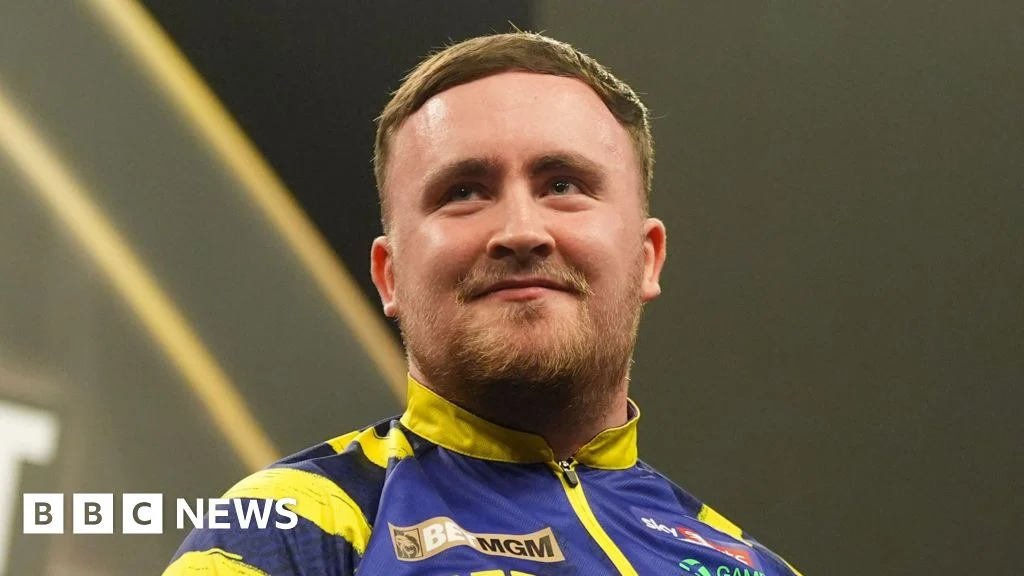
In a proactive move to safeguard his burgeoning public image against the escalating threat of artificial intelligence-generated deepfakes, teenage darts sensation Luke Littler has filed an application with the UK Intellectual Property Office to trademark his face. This significant step aims to prevent unauthorized reproduction of his likeness, particularly by generative AI technologies, ensuring that his distinctive features are not exploited without his consent. Littler, who has rapidly ascended to global fame, is already a two-time World Champion and has seen his image legally utilized on official darts merchandise and in endorsements with prominent brands such as KP Nuts.
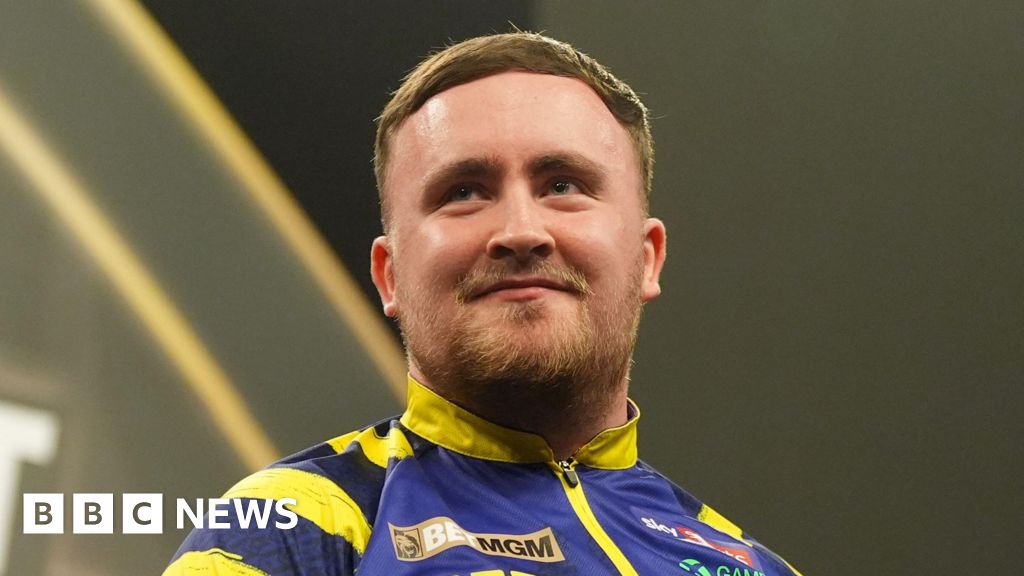
The 19-year-old darts prodigy joins an increasingly prominent cohort of high-profile individuals who are taking measures to protect their personal brand from AI misuse. Among these is Hollywood actor Matthew McConaughey, who has also sought to trademark his likeness in recent months. Another notable example is Chelsea footballer Cole Palmer, who in October 2025 not only secured trademark protection for his autograph and facial image but also for the distinctive phrase "Cold Palmer," showcasing a multi-faceted approach to brand safeguarding. Littler has already taken steps internationally by trademarking his popular nickname, "the Nuke," in the United States, underscoring his commitment to comprehensive brand protection.
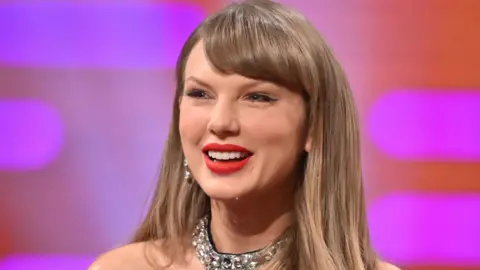
The process of registering a trademark provides individuals and businesses with a legal framework to protect their intellectual property, including distinctive visual representations, from unauthorized use. This legal protection allows the trademark holder to assert ownership over their brand elements and to affix a registered trademark symbol to their products, serving as a clear deterrent against copying or unauthorized exploitation. This strategic move by Littler comes amid a surge in the creation of sophisticated fake videos, audio recordings, and images generated by AI tools, which have impacted numerous celebrities across various industries. Internationally acclaimed figures like actress Scarlett Johansson and global music superstar Taylor Swift have been victims of such AI-generated misinformation and misuse of their likeness, highlighting the widespread nature of this digital challenge.
Louise Popple, an expert in copyright law at the firm Taylor Wessing, commented on the trend, explaining that one of the primary drivers for celebrities pursuing trademark registration for their appearance in the UK is the current "lack of any image rights law" within the country. While acknowledging that a facial trademark might not prevent the creation of every slightly similar image, Popple suggested that such a registration signals a serious intent to protect rights. This, she believes, can act as a significant deterrent to "opportunistic merchandising." Furthermore, she noted that owning a registered trademark can be advantageous for securing licensing deals, as it provides a tangible asset for celebrities to license.
Joe Doyle-Ward, Senior Associate and Trade Mark Attorney at Abion, a leading intellectual property firm in the UK and Europe, described Littler’s move as a "smart branding decision." He confirmed that such strategies are becoming increasingly common among celebrities. Doyle-Ward elaborated that while the legal landscape surrounding AI and copyright is still in its developmental stages, trademarks remain a highly effective tool for controlling the commercial utilization of one’s image in the interim. He emphasized that the objective is not to impede everyday, non-commercial use but rather to ensure that any commercial exploitation of a person’s likeness is properly authorized. The application for Littler’s facial trademark is currently undergoing examination by the Intellectual Property Office.
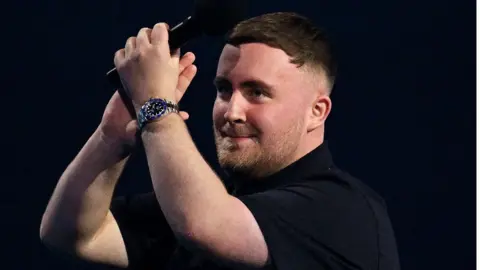
The strategic decision by Luke Littler to trademark his face is more than just a personal branding exercise; it is a forward-thinking response to the rapidly evolving digital landscape. As generative AI becomes more sophisticated and accessible, the potential for malicious or unauthorized use of an individual’s likeness increases exponentially. By seeking trademark protection, Littler is not only asserting his ownership over his visual identity but also laying the groundwork for future commercial ventures and partnerships. This move aligns him with a growing number of public figures who are proactively addressing the challenges posed by AI, recognizing the importance of robust legal mechanisms to protect their intellectual property and personal reputation in the digital age. The trademark will serve as a clear legal signal that any commercial use of his face, including within AI-generated content, requires his explicit permission, thereby safeguarding his brand integrity and commercial value.
The implications of this trademark extend beyond mere prevention of deepfakes. It allows Littler to control how his image is used in advertising, endorsements, and other commercial contexts. This is particularly crucial for a young athlete whose career is at a pivotal stage. His image is already a valuable commodity, associated with his remarkable talent and widespread appeal. By securing trademark rights, he can ensure that his brand is consistently and authentically represented, preventing dilution or misrepresentation that could arise from unauthorized commercial exploitation. This proactive approach is indicative of a sophisticated understanding of brand management in the 21st century, where digital identity is as critical as any physical asset.
The legal precedent set by such registrations is also significant. As more celebrities and public figures adopt similar strategies, it will likely contribute to the development of clearer legal frameworks around image rights and AI. The UK’s current lack of specific image rights legislation, as highlighted by legal experts, makes trademarking a particularly important tool. It provides a tangible legal basis for protection, even if it doesn’t cover every conceivable scenario. The registered trademark acts as a strong deterrent, signaling to potential infringers that legal action is a real possibility. This, in turn, can discourage the creation and dissemination of unauthorized deepfakes and other AI-generated content that exploits an individual’s likeness for commercial gain.
Furthermore, the application itself signifies Littler’s commitment to his career and his understanding of its commercial potential. It demonstrates a maturity and foresight that belies his young age. By securing his facial trademark, he is not only protecting himself but also building a more robust and valuable brand for the long term. This can translate into more lucrative sponsorship deals, licensing opportunities, and overall career longevity. The move is a clear indication that Littler and his team are taking his burgeoning celebrity status seriously, employing strategic measures to ensure that his personal brand is protected and can be leveraged effectively as his career continues to flourish on the global stage. The examination process at the Intellectual Property Office will determine the scope and specifics of the trademark, but the intent behind the application is clear: to assert control over his image in an increasingly complex digital world.

 Nana Banana
 George Anjay
 Ramos Leo