George Anjay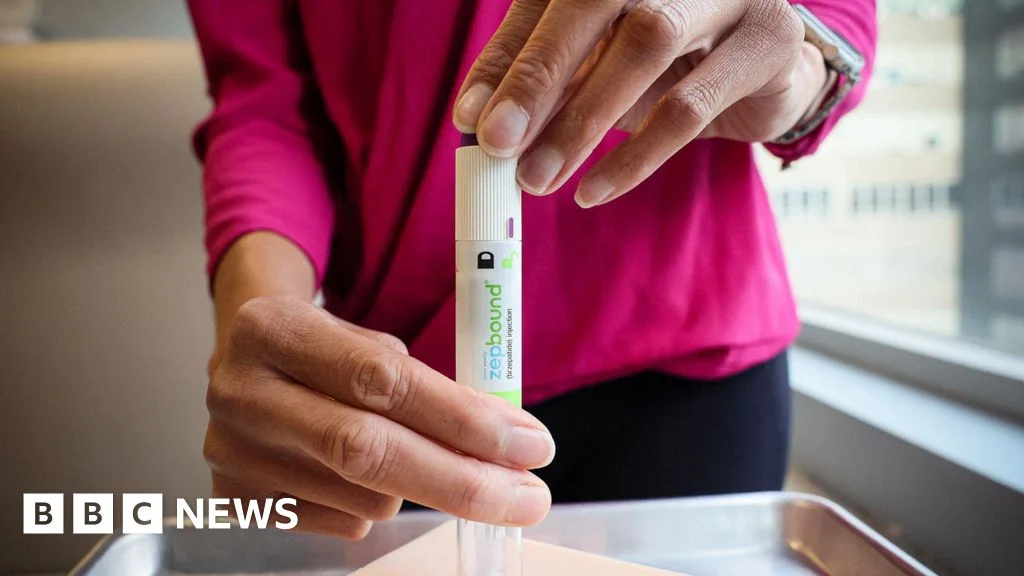
When Ruth Gonzalez decided to start taking the weight-loss medicine Zepbound last year, the financial gymnastics required were immediate and significant. The roughly $350 monthly cost for the groundbreaking medication necessitated a radical overhaul of her personal budget. Gonzalez, a 56-year-old self-employed individual whose health insurance does not cover weight-loss drugs, systematically pruned her expenses. She switched her mobile phone plan, drastically reduced her streaming subscriptions to a single service, imposed strict limits on her grocery spending, and bid farewell to her daily Starbucks fix. These sacrifices, she attests, have been profoundly worthwhile. Within six weeks of starting the medication, her dangerously elevated blood pressure, the primary catalyst for seeking a prescription, had returned to a healthy baseline. Beyond this critical health improvement, she has shed over 40 pounds, bringing her weight down to 175 pounds. This weight loss is crucial for managing subsequent diagnoses of sleep apnea and the early stages of fatty liver disease, conditions that previously loomed large.
Perhaps even more surprisingly, some of the financial strains that prompted her sacrifices have begun to ease. In a notable shift within the notoriously expensive US pharmaceutical landscape, Zepbound’s manufacturer, Eli Lilly, implemented price reductions in December, lowering the cost of its vials by $50 to $100. This adjustment proved timely, enabling Gonzalez to transition to a more potent, and consequently more expensive, dosage. She is now optimistically eyeing even more affordable options, including an oral weight-loss pill the company is slated to launch in the coming months. "For someone on a fixed budget, it is absolutely helpful," she remarks, highlighting the tangible impact of these price adjustments on her financial well-being.
These price cuts, which have directly benefited consumers like Gonzalez, underscore a fierce and intensifying competition among weight-loss drug manufacturers in the United States. This competitive fervor is driven by the immense market potential in a country where approximately 40% of adults grapple with obesity. Historically, such market dynamics unfold behind closed doors, through intricate negotiations between pharmaceutical companies, insurance providers, employers, and various other stakeholders, all culminating in the final price presented to patients. However, the revolutionary GLP-1 class of weight-loss drugs has presented a unique challenge. Many private and government insurers have expressed reluctance to cover these medications solely for weight management due to their substantial costs, leading to a significant number of individuals, like Gonzalez, bearing the full financial burden.
This insurance landscape has inadvertently transformed pharmaceutical firms into aggressive competitors vying for direct consumer engagement, mirroring the strategies of traditional retailers. Companies have launched direct-to-consumer sales websites, forged strategic distribution partnerships with retail giants such as Walmart and Costco, and even engaged in legal battles against manufacturers of off-label alternatives. Most significantly, these firms have undertaken aggressive price reductions. For instance, a starter dose of Novo Nordisk’s Wegovy, once carrying a list price exceeding $1,600 per month upon its US launch in 2021, is now accessible to self-paying patients for as little as $149 per month. Similarly, Eli Lilly’s Zepbound vials, which debuted in 2023 at over $1,000, now start at $299 per month. While these prices remain higher than in many international markets, analysts anticipate further decreases in the coming years as patents expire and new, potentially lower-cost alternatives, such as oral medications, enter the market.
The notable price reductions for GLP-1s have sparked broader discussions about the potential of direct-to-consumer models to mitigate the persistently high cost of prescription medications in the US. This approach fosters greater price transparency and challenges the traditional role of Pharmacy Benefit Managers (PBMs), intermediaries who negotiate drug prices between manufacturers and health insurance plans. "What it does is highlight some of the lack of transparency," observes Alison Sexton Ward, an economist and senior scholar at USC, emphasizing how these market shifts are "pushing this idea of direct-to-consumer."
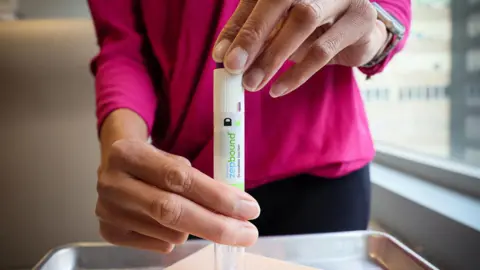
President Trump has emerged as a prominent advocate for this direct-to-consumer approach. In February, the White House introduced TrumpRx, a new website designed to connect consumers directly with drug manufacturers for a curated selection of medications. Pharmaceutical companies, long vocal critics of PBMs for allegedly inflating US medicine costs, have expressed openness to exploring direct-to-consumer sales for a wider array of drugs. However, it remains uncertain whether the competitive forces driving down GLP-1 prices are replicable across other drug categories, particularly those with more limited demand and fewer market competitors.
The weight-loss drug sector, in particular, has been further complicated by the proliferation of an off-label market in the US. This market emerged legally in response to drug shortages and has proven resilient. Experts generally agree that for the majority of patients, utilizing health insurance for medication remains the most financially sensible option. "Hopefully this will drive additional consumer awareness of the drivers of the high costs of medication," stated Michael Murphy, a professor of clinical pharmacy at Ohio State University. However, he cautioned, "We need to see further, more fundamental solutions be employed to actually bring down costs overall to the system."
Even with price reductions, weight-loss drugs remain prohibitively expensive for a substantial portion of the population. Shekinah Samayah-Thomas, a 62-year-old who underwent bariatric surgery in 2017 after her weight exceeded 330 pounds, has been rationing her supply of Wegovy since January. This necessity arose when California’s Medicaid program ceased coverage for the drug for weight loss. She explains that the medication has been instrumental in maintaining her post-surgery weight loss, which had begun to rebound. Despite a diagnosis of sleep apnea, her requests for coverage have been repeatedly denied. With both she and her husband currently unemployed, affording even the $25 monthly co-pay she previously managed through a combination of her husband’s former employer’s insurance and a manufacturer’s coupon is now an insurmountable challenge. "I don’t have it," she states with resignation.
Health advocates continue to champion expanded insurance coverage, arguing that the free market’s unpredictable dynamics are not the optimal mechanism for ensuring equitable access to essential medications. Tracy Zvenyach, vice president for advocacy and research at the Obesity Action Coalition, views the Trump administration’s decision to initiate a trial coverage of these drugs by Medicare in July as a potentially significant development. She expresses hope that this will encourage private insurers to follow suit, thereby influencing broader adoption. "Direct-to-consumer options today are serving as a short-term solution," Zvenyach notes. "But I do not want them to deter from the overall goals of general, standard coverage of treatments for obesity." The ultimate aim, she emphasizes, is to integrate obesity treatments into standard healthcare, rather than relying on a market-driven approach that may leave many behind.




 Nakalama John
 Ramos Leo
 Nana Banana