
 Ramos Leo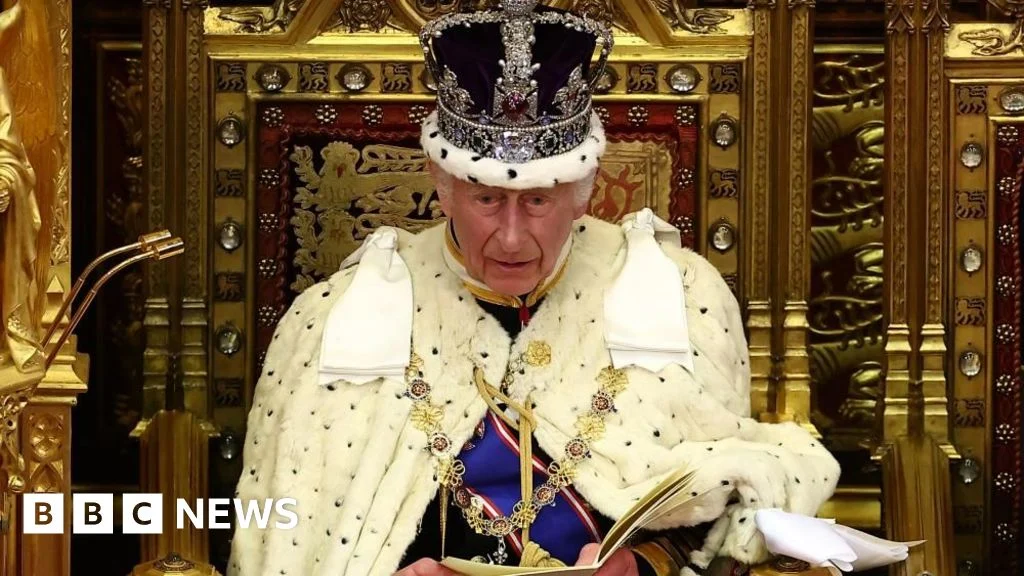
King Charles III is set to deliver the King’s Speech on May 13, marking the ceremonial State Opening of Parliament and outlining the government’s legislative agenda for the upcoming session. This pivotal event, steeped in tradition and constitutional significance, will occur just days after crucial local elections across England, Scotland, and Wales on May 7, setting the stage for a period of intense political scrutiny and potential realignment.
The State Opening of Parliament is a spectacle of pomp and pageantry, a constitutional cornerstone that formally inaugurates a new parliamentary session. The Monarch, adorned in the Imperial State Crown and Robe of State, travels from Buckingham Palace to Westminster, where, from the throne in the House of Lords, they read a speech meticulously drafted by the incumbent government. This speech is not a personal address from the Sovereign but a detailed blueprint of the administration’s policy proposals and legislative priorities for the year ahead. It serves as a declarative statement of intent, signaling the government’s vision for the nation and the reforms it aims to enact.
The timing of this year’s King’s Speech is particularly noteworthy, falling in the immediate aftermath of significant local council, mayoral, and police and crime commissioner elections. These ballots are widely regarded as a critical barometer of public opinion, offering the electorate an opportunity to express their satisfaction or dissatisfaction with the national government’s performance ahead of a general election. Political analysts and party strategists alike will be dissecting the results for any shifts in voter sentiment, particularly given the current political climate.
For the Labour Party, the stakes in these May 7 elections are exceptionally high. The party, currently leading in national polls, is reportedly braced for "difficult results" in certain areas. This anticipation has fueled internal discussions, with some Labour MPs believing that a poor showing could trigger a challenge to the leadership of Sir Keir Starmer. While Starmer has worked to solidify his position since becoming leader, a setback in significant electoral contests could reignite questions about the party’s direction and electability. The King’s Speech, by formally launching the government’s new legislative programme, inadvertently creates a unique political backdrop against which these post-election analyses and potential leadership questions will unfold.
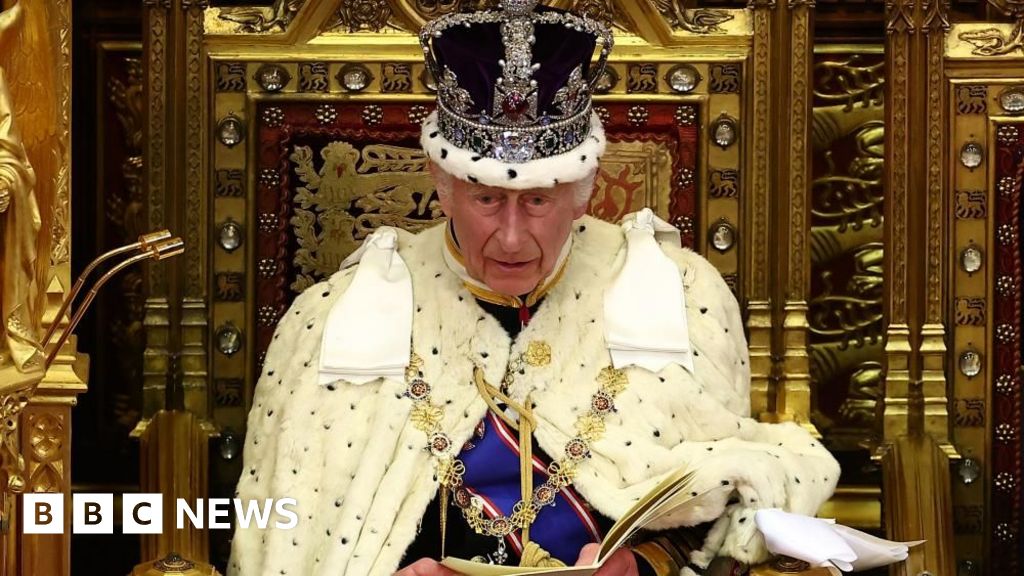
A government source, speaking to the BBC in December, highlighted the strategic implications of the King’s Speech’s timing for the incumbent administration. They suggested that "it would be much harder for somebody to challenge the PM and say we need to go in a different direction when the King is about to come to parliament to announce what we’re doing for the next year." This sentiment underscores a deliberate political calculation: the State Opening projects an image of stability, continuity, and a clear forward-looking agenda, potentially buffering the Prime Minister against any immediate fallout from unfavorable election results. By asserting its legislative authority through the Sovereign, the government aims to demonstrate its unwavering commitment to its programme, making it more challenging for critics, both internal and external, to argue for a radical change in course.
However, the placement of the State Opening in May, or shortly after local elections, is not entirely unprecedented. Parliamentary sessions traditionally conclude around this time, leading to a new session’s commencement. Historically, the legislative calendar has often aligned with spring elections, meaning the overlap is not inherently unusual. Nevertheless, the current political environment imbues this year’s timing with heightened significance, especially with a general election looming in the not-too-distant future.
The preceding parliamentary session, which commenced in July 2024 following the last general election, is nearing its end. Commons Leader Sir Alan Campbell noted that the government has successfully delivered "over 50 bills" during this period, aiming to "build on" the changes implemented. Among the key legislative achievements he cited were improvements to renters’ rights, reforms to planning laws designed to streamline the delivery of new homes, initiatives to bring railways into public ownership, and the strengthening of employment rights. These measures reflect the government’s stated commitment to addressing cost-of-living challenges, housing shortages, public service reform, and workers’ protections.
Before the new session can begin, Parliament must undergo prorogation, which formally brings the current session to a close. This period is often characterized by a flurry of legislative activity known as the "wash-up," where bills that have not yet completed all their required stages in both the Commons and the Lords are rushed through. Without such arrangements, any unfinished legislation will lapse and will not become law, requiring them to restart the entire legislative process in the new session. This creates immense pressure on government whips and cross-party negotiators to prioritize and agree on which bills can be salvaged.
A prominent example of a bill facing this legislative cliff-edge is a backbench-led proposal to legalise assisted dying in England and Wales. This deeply sensitive and ethically complex issue garnered significant support in the House of Commons, where it was approved in June of last year. However, its progress has since stalled in the House of Lords for several months. Given the looming prorogation, it is now widely considered unlikely to complete all necessary stages and pass into law before the session ends, a fate that often befalls complex private members’ bills without strong government backing.
Parliamentary sessions do not have a fixed length but typically run for approximately 12 months. However, they have been known to extend longer, particularly in the period immediately following a general election, to allow the new government to establish its legislative programme. The King’s Speech, while read by the Monarch, is entirely the government’s policy statement, underscoring the constitutional principle that the Sovereign acts on the advice of their ministers. The elaborate ceremony surrounding it, including the procession, the searching of the cellars for gunpowder (a tradition stemming from the Gunpowder Plot of 1605), and the summoning of the Commons by Black Rod, serves to highlight the historic continuity and solemnity of the parliamentary process.
As Sir Alan Campbell further elaborated during business questions in the Commons, the outgoing session’s legislative achievements, such as "improving renters’ rights" (potentially referring to reforms aimed at ending ‘no-fault’ evictions or strengthening tenant protections), "changing planning laws to streamline the delivery of new homes" (likely involving measures to accelerate housing development and reduce bureaucratic hurdles), "bringing our railways into public ownership" (a significant policy shift aimed at integrating and improving rail services), and "strengthening employment rights" (which could encompass a range of measures from minimum wage adjustments to enhanced worker protections), lay the groundwork for the government’s future ambitions.
The upcoming King’s Speech, therefore, is not merely a ceremonial event; it is a critical political moment. It will signal the government’s post-election direction, provide a focal point for political debate, and offer the first concrete glimpse into the legislative priorities that will shape the remainder of this parliamentary term, all while the echoes of the May 7 election results resonate through Westminster. The balance of power, both within and between parties, will be subtly but significantly influenced by this convergence of electoral outcome and royal decree.



 Roy Suryo

 Nakalama John
 atisusanti
