Ramos Leo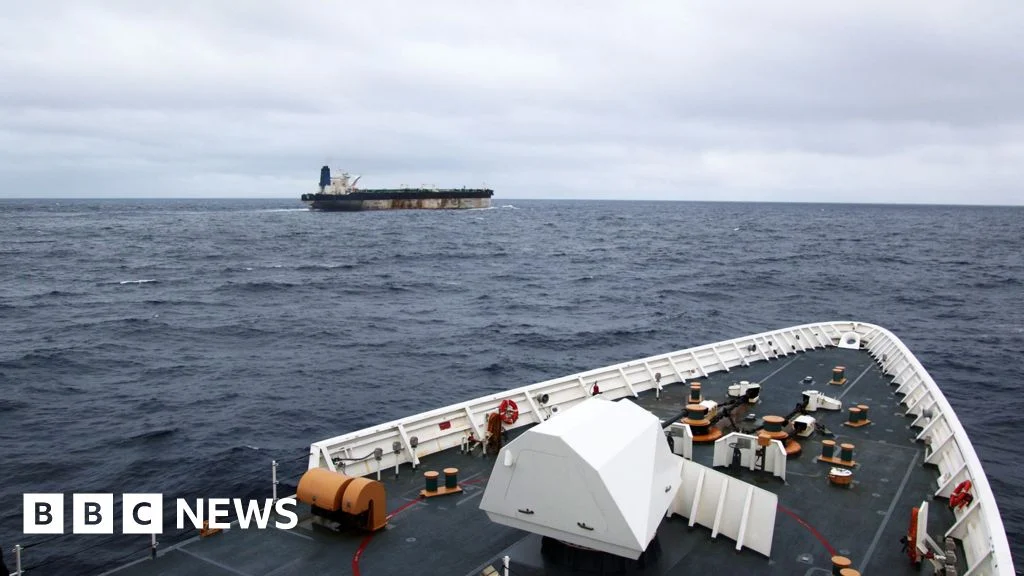
The breakthrough follows months of intricate legal and operational preparations, culminating in Prime Minister’s approval on Thursday for the military measure. While a legal basis for boarding sanctioned vessels was identified by ministers in January, the actual deployment of military force required extensive groundwork. Questioned on the delay, John Healey explained on BBC Radio 4’s Today programme that such complex operations demand rigorous "training, preparation, understanding discussion with allies [and] a clear legal basis." He stressed that these critical elements are now "lined up and ready," signaling a decisive shift in strategy.
Healey emphasized that the decision represents "a signal that we will take action when we see illegal and sanctioned shadow ships." This firm stance is also intended as a message to Russian President Vladimir Putin, indicating that despite global attention being drawn to the escalating conflict in the Middle East, Britain remains resolutely focused on countering Russian aggression. "This is a signal to Putin that he may want us to be distracted by the Middle East but we’re ready to act," Healey asserted, highlighting the UK’s commitment to its security priorities in Eastern Europe.
The urgency of this action is underscored by previous findings from BBC Verify, which revealed that dozens of sanctioned vessels traversed the English Channel in the weeks following the initial identification of the legal mechanism in January. These ships, often older and operating under obscure flags of convenience or without proper insurance, pose not only an economic threat but also potential environmental and safety risks due to their often substandard maintenance and lack of proper oversight. Ministers are keen to redirect Whitehall’s focus back to the persistent threat posed by Russia, ensuring that the conflict in the Middle East does not divert essential resources or political will from the Ukrainian crisis.
Labour leader Sir Keir Starmer, echoing the government’s sentiment, lauded the decision, stating it would help "starve Putin’s war machine of the dirty profits that fund his barbaric campaign." Starmer articulated a broader geopolitical concern, describing Western nations as facing a "war on two fronts," encompassing both Russia’s invasion of Ukraine and the turmoil in the Middle East. This perspective highlights the interconnectedness of global security challenges and the need for a comprehensive, multi-faceted response.
The approval to board these vessels coincided with the Prime Minister’s arrival in Finland for the Joint Expeditionary Force (JEF) summit in Helsinki. The JEF, a military coalition comprising ten northern European nations including the UK, provides a framework for rapid response and collective security, particularly in the High North and Baltic Sea regions. Sir Keir Starmer was also slated to address the summit on Thursday, underlining the bipartisan consensus in the UK regarding the severity of the Russian threat and the importance of allied cooperation.
In recent weeks, Royal Navy personnel have already provided crucial support to JEF member countries such as Finland, Sweden, and Estonia, assisting them in the meticulous monitoring and tracking of shadow fleet vessels. While no UK military personnel had yet boarded any of these ships, senior government figures have made it clear their intention for this to change imminently. The operational phase is now active.
Specialist military units have been undergoing intensive training to prepare for a range of scenarios associated with boarding and detaining these vessels. This training has included extensive "wargaming" exercises to simulate various contingencies, including how to effectively deal with potentially armed crews, ensuring the safety of British personnel while maintaining operational effectiveness. This rigorous preparation is now understood to be complete, and Ministry of Defence officials are operating under the assumption that the first operation of this nature could occur very soon.
Those involved in these high-stakes operations could include elite units such as the Special Boat Service (SBS) and elements of the Royal Marines, with the specific composition of the boarding parties tailored to the anticipated level of resistance from the crews of the shadow vessels. The government estimates that approximately 75% of Russia’s crude oil is currently transported by these ageing ships, a fleet that has ballooned since the imposition of Western sanctions. Sanctions have been specifically applied to 544 vessels identified as part of this shadow fleet, demonstrating the scale of the challenge and the potential impact of these interdictions.
Advanced ship-tracking technology plays a pivotal role in this strategy, enabling military planners to identify sanctioned vessels heading for UK waters weeks before their arrival. Military planners and defence officials are actively monitoring these sophisticated tracking systems to pinpoint the first vessels that will be subject to boarding and detention, ensuring a targeted and effective approach.
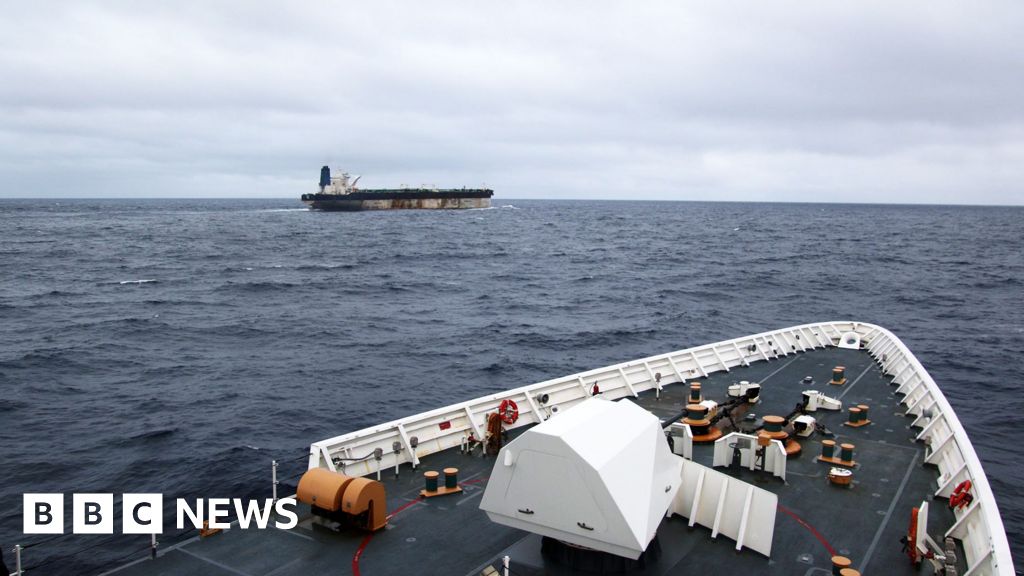
This initiative builds upon previous experiences, notably the British armed forces’ assistance to US troops earlier this year in the seizure of the Marinera oil tanker. In that instance, American officials accused the vessel of violating sanctions by transporting oil for Venezuela, Russia, and Iran. That operation served as a critical precedent, prompting ministers to explore how British forces could independently lead similar operations against sanctioned vessels transiting through UK-controlled maritime zones.
Government lawyers, after careful deliberation, identified the Sanctions and Money Laundering Act of 2018 as the robust legal framework permitting the use of military force in these circumstances. This legislative basis provides the necessary authority to take decisive action against vessels engaged in illicit activities that undermine international sanctions regimes. To ensure absolute legal clarity and alignment, Defence Secretary John Healey and Attorney General Lord Hermer recently held discussions with their counterparts within the Joint Expeditionary Force, meticulously reviewing the precise legal implications for various operational scenarios.
The issue of international consistency in sanctions enforcement has also been raised. Earlier this month, a decision by the US administration to ease certain sanctions preventing other countries from buying Russian oil already loaded on vessels at sea, reportedly to contain soaring energy prices amid global tensions, sparked questions about its impact on UK efforts. When pressed on whether such US actions undermined the UK’s robust stance, Healey reiterated that his priority remained "to protect" British interests and those of its allies, particularly in the Middle East, rather than "to criticise or comment on actions of the US president." This response underscored the UK’s commitment to its own sanctions regime, regardless of potential variations in other nations’ approaches.
Speaking ahead of the JEF summit, Sir Keir Starmer further elaborated on the geopolitical landscape, describing the world as "increasingly volatile and dangerous." He posited that "Putin is rubbing his hands at the war in the Middle East because he thinks higher oil prices will let him line his pockets." This analysis provides additional context for the UK’s determined action against the shadow fleet, framing it as a direct counter-measure to Russia’s perceived opportunism. Starmer concluded, "That’s why we’re going after his shadow fleet even harder, not just keeping Britain safe but starving Putin’s war machine of the dirty profits that fund his barbaric campaign in Ukraine."
In a political retort, a Conservative Party spokesperson acknowledged the importance of "any effort to keep sanctioned ships out of our waters." However, they also used the opportunity to critique the opposition, stating, "But Labour’s failure to back our armed forces with the resources they need shows he is in denial about the scale of the threats our country faces." This political jousting highlights the domestic political dimension of national security decisions, even as both major parties largely agree on the strategic imperative of countering Russian aggression. The readiness to act against Russia’s shadow fleet marks a significant intensification of Britain’s role in the global effort to curtail Moscow’s ability to finance its war, signaling a new, more assertive phase in maritime enforcement.




 Roy Suryo

 Nakalama John
 atisusanti