
 Roy Suryo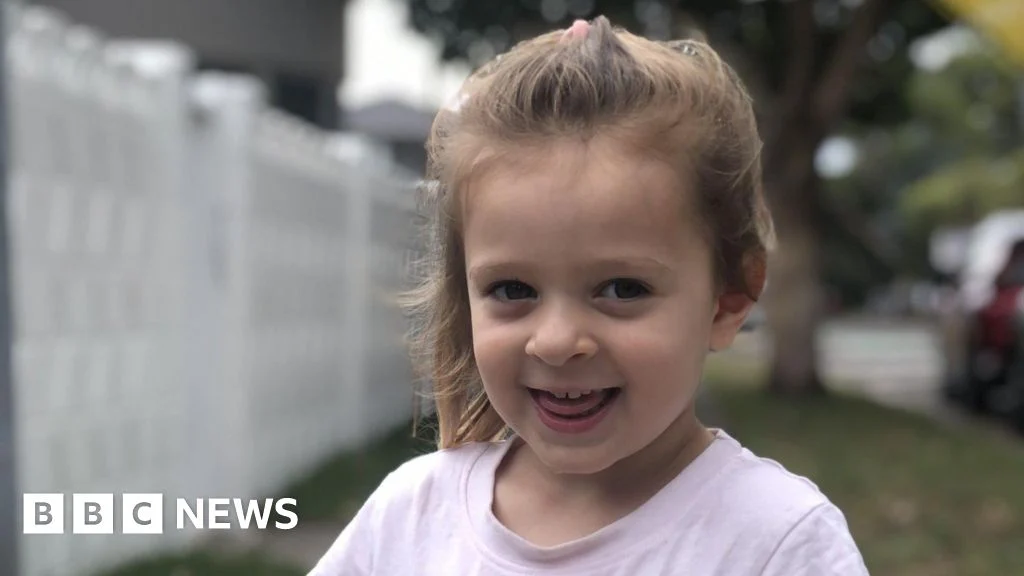
Scientists in Manchester have played a pivotal role in identifying a rare neurodevelopmental disorder, now understood to be one of the most significant genetic culprits behind severe childhood epilepsy. This breakthrough, spearheaded by researchers at the NIHR (National Institute for Health and Care Research) Manchester Biomedical Research Centre, offers a beacon of hope for families grappling with the devastating effects of this condition. The disorder, officially named recessive RNU2-2-related neurodevelopmental disorder, manifests in infants with debilitating seizures and profound developmental delays, impacting crucial milestones such as speech acquisition and motor skills like walking. The research team estimates that millions of individuals globally may be unknowingly carrying the faulty gene that predisposes children to this condition, highlighting the widespread potential impact and the urgent need for awareness and diagnostic tools.
The significance of this discovery cannot be overstated, with parents of affected children describing it as "incredibly meaningful" and a crucial first step towards developing more effective treatments and a deeper understanding of the disorder. Researchers from the Manchester University NHS Foundation Trust and the University of Manchester meticulously analysed genetic data from thousands of RNU genes. This vital work was facilitated by Genomics England’s National Genomic Research Library (NGRL), which houses data from participants of the groundbreaking 100,000 Genomes Project. This ambitious project aimed to unravel the complex interplay between genes and rare health conditions, with the ultimate goal of paving the way for novel therapeutic interventions.
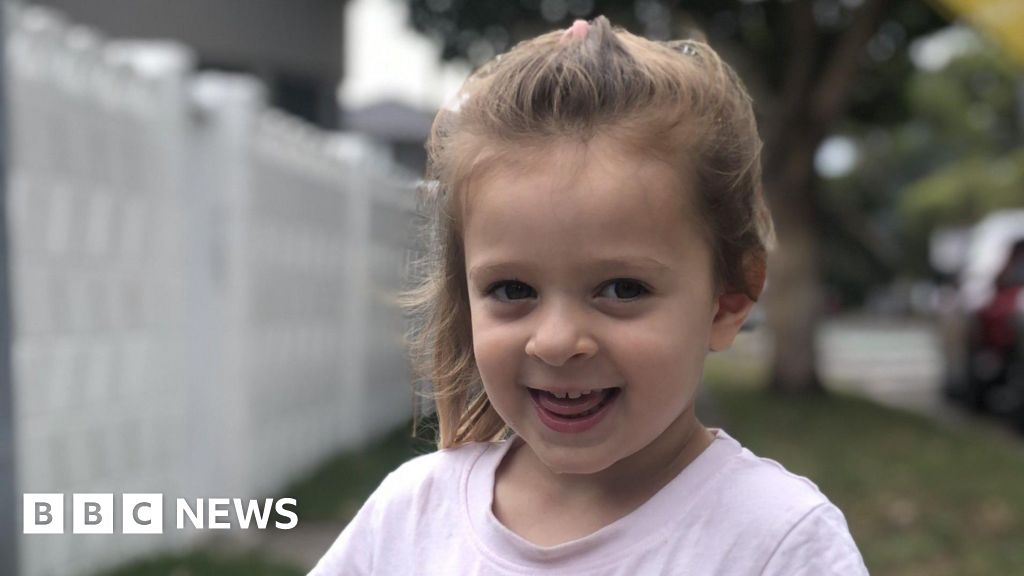
Currently, a precise count of individuals diagnosed with recessive RNU2-2-related neurodevelopmental disorder stands at 84 globally. Among them is five-year-old Ava Begley, who resides in Sydney, Australia. Her family’s experience underscores the profound impact of this diagnosis. Despite the relatively small number of identified cases, researchers are adamant that thousands more remain undiagnosed, their conditions potentially misattributed or simply unexplained. This underdiagnosis is a significant concern, as it hinders timely intervention and the potential for improved outcomes.
Dr. Adam Jackson, a key figure in the study and an academic clinical fellow at the Manchester Centre for Genomic Medicine, expressed his conviction that the true prevalence of carriers is far higher than initially suspected. "We believe that as many as one in 100 people could unknowingly be carriers of this condition," he stated, emphasizing the recessive nature of the disorder, meaning individuals typically need to inherit two copies of the faulty gene, one from each parent, to be affected. Dr. Jackson further elaborated on the estimated incidence of the disorder itself, projecting that "roughly one in 40,000 people may be living with this condition, making it one of the most common neurodevelopmental disorders currently known." This statistic, while still representing a rare disease, positions it as a more prevalent genetic cause of severe epilepsy than previously understood.
The clinical presentation of recessive RNU2-2-related neurodevelopmental disorder is characterized by severe and often intractable epilepsy. Children affected by this condition experience frequent seizures, which can lead to loss of consciousness and pose significant risks to their well-being. Beyond the seizures, the disorder profoundly impacts a child’s development, causing marked delays in achieving critical developmental milestones. These can include the ability to walk, speak, and engage in complex cognitive tasks, leading to significant learning disabilities that persist throughout their lives. The multifaceted nature of the disorder presents a formidable challenge for both the affected children and their families, requiring comprehensive and ongoing medical and therapeutic support.
The story of Ava Begley serves as a poignant illustration of the struggles faced by families affected by this condition. Ava, who is non-verbal, has profound learning disabilities and endures severe epilepsy. At one point, her seizures were alarmingly frequent, occurring between 100 and 200 times a day. While her seizures are now more effectively managed with medication, the impact on her life remains substantial. Ava can only walk short distances and is prone to falls, a testament to the physical and neurological challenges she faces. Her journey highlights the critical need for accurate diagnosis to inform appropriate care and management strategies.
Ava’s parents, Daniel Begley and Elizabeth Dowd, articulated the profound emotional and practical significance of receiving a diagnosis for their daughter. "Having a diagnosis is incredibly meaningful," they stated. Their words convey a complex mix of emotions, including immense relief at finally having an answer to their long-standing questions, tempered by the sadness of understanding the severity of the condition and its rarity. The diagnosis has provided a crucial sense of validation and identity for Ava within the medical landscape. "It gives Ava a name and a place in the medical world, rather than being an unanswered mystery," their statement read.

This newfound understanding is not merely academic; it represents a tangible step towards actionable solutions. "It helps us feel that we are getting closer to the starting point of being able to find a cure or treatment," Ava’s parents shared. They expressed optimism that continued research and increased awareness will ultimately lead to better understanding, more effective support systems, and improved quality of life for children like Ava. The identification of this specific genetic cause opens up avenues for targeted research into the underlying biological mechanisms of the disorder, potentially leading to the development of gene therapies or other novel treatments.
The collaborative effort that led to this discovery involved the pooling of extensive genetic data and the expertise of leading researchers in the field. The use of the NGRL and the 100,000 Genomes Project was instrumental in identifying the RNU2-2 gene as the culprit behind this devastating condition. By analyzing variations within this gene across a large dataset, scientists were able to pinpoint its role in causing both the neurological symptoms and the severe epilepsy. This systematic approach is revolutionizing the diagnosis and understanding of rare diseases, moving beyond anecdotal observations to evidence-based genetic identification.
The implications of this study extend far beyond the immediate cohort of identified patients. For families who have long suspected a genetic component to their child’s severe epilepsy but lacked a definitive answer, this research offers a potential explanation and a pathway to further investigation. The identification of carriers also holds importance for genetic counseling, allowing prospective parents who may be carriers to make informed decisions about family planning. Furthermore, the heightened awareness generated by this study can encourage more widespread genetic testing, leading to earlier diagnosis and intervention for affected infants, potentially mitigating some of the long-term developmental consequences.
The NIHR Manchester Biomedical Research Centre’s involvement underscores the vital role of dedicated research institutions in advancing medical knowledge and patient care. Their commitment to translating genomic discoveries into clinical benefits is crucial for conditions like recessive RNU2-2-related neurodevelopmental disorder, where traditional diagnostic methods may fall short. The future of treating severe childhood epilepsy is increasingly being shaped by advancements in genomics, and this Manchester-led study is a testament to that transformative potential. As research continues, the hope is that the understanding gained from identifying this specific genetic cause will pave the way for a future where children with severe epilepsy have access to more effective treatments and a brighter outlook.



 George Anjay
 Nakalama John
 atisusanti
 Ramos Leo
 Nana Banana