
 Nana Banana
The contentious vote followed a formal request by Pete Hegseth, the US Secretary of Defense, who argued that bolstering domestic oil production was a critical national security imperative. Speaking passionately before the committee, Hegseth linked the need for increased drilling to recent geopolitical instability, specifically citing "hostile action" by the Iranian government. Although his request to the committee predated the recent escalation, Hegseth emphasized that the ongoing conflict underscored the urgent necessity for the United States to secure its own energy supplies and reduce reliance on volatile international regions.
The "God squad," officially known as the Endangered Species Committee (ESC), is a high-level federal body established under the Endangered Species Act (ESA) of 1973. It typically comprises the Secretary of the Interior, the Secretary of Commerce, the Administrator of the Environmental Protection Agency, the Chairman of the Council of Economic Advisers, and the governors of two affected states chosen from a list submitted by the President. Its formidable power to bypass the ESA’s stringent protections in cases of overwhelming public interest, or national security, is why it earned its dramatic moniker. This particular vote has ignited a firestorm of protest from environmental organizations, which contend that the decision could push several species, most notably the critically endangered Rice’s whale, toward irreversible extinction.
The Endangered Species Act, enacted in 1973, stands as one of the world’s most comprehensive and effective conservation laws. Its primary objective is to protect the most at-risk animals and plants in the United States from the detrimental impacts of human development. The Act includes robust measures such as prohibiting activities that could harm or kill listed species, designating critical habitats essential for their survival, and requiring federal agencies to ensure their actions do not jeopardize endangered species or destroy their habitats. Historically, it has been instrumental in the recovery of numerous species, from the bald eagle to the gray wolf. However, the ESC has the rare authority to grant exemptions when there are no reasonable and prudent alternatives to a project, or when a project is deemed essential for national security, as argued by Secretary Hegseth.
The national security justification put forth by Hegseth centered on the Strait of Hormuz, a narrow waterway connecting the Persian Gulf with the Arabian Sea and the only sea passage from the Persian Gulf to the open ocean. It is the world’s busiest oil shipping channel, through which approximately 20% of the world’s total petroleum consumption, and a third of the world’s seaborne oil, passes daily. Hegseth stated that "recent hostile action by the Iranian terror regime highlights yet again why robust domestic oil production is a national security imperative." This referred to Iran’s effective closure of the Strait following the US and Israeli attack on Iran on February 28. The blockade triggered an immediate and dramatic spike in global oil prices, with the average price of gas at the pump in the US soaring above $4 for the first time in nearly four years, inflicting economic pain on American consumers and businesses. The Secretary emphasized that enhancing domestic production capacity would insulate the US economy from such external shocks and reduce its vulnerability to geopolitical conflicts.
Environmental groups, however, vehemently dispute the necessity and legality of the exemption. They had attempted to sue to prevent the vote, arguing that the national security claim was exaggerated and that the ecological costs were far too high. The most pressing concern revolves around the Rice’s whale, a critically endangered species found exclusively in the Gulf of Mexico. With a mere 51 individuals believed to remain in the wild, this species is teetering on the brink of extinction. In 2025, the National Marine Fisheries Service (NMFS) had concluded that ongoing oil and gas activities in the Gulf of Mexico posed an existential threat to the Rice’s whale. Consequently, the NMFS had recommended stringent precautionary measures, including mandatory reductions in vessel speeds in critical habitats to prevent fatal strikes, and limitations on seismic surveys and other noisy operations that disrupt the whales’ communication and foraging. These crucial protections will now no longer apply.
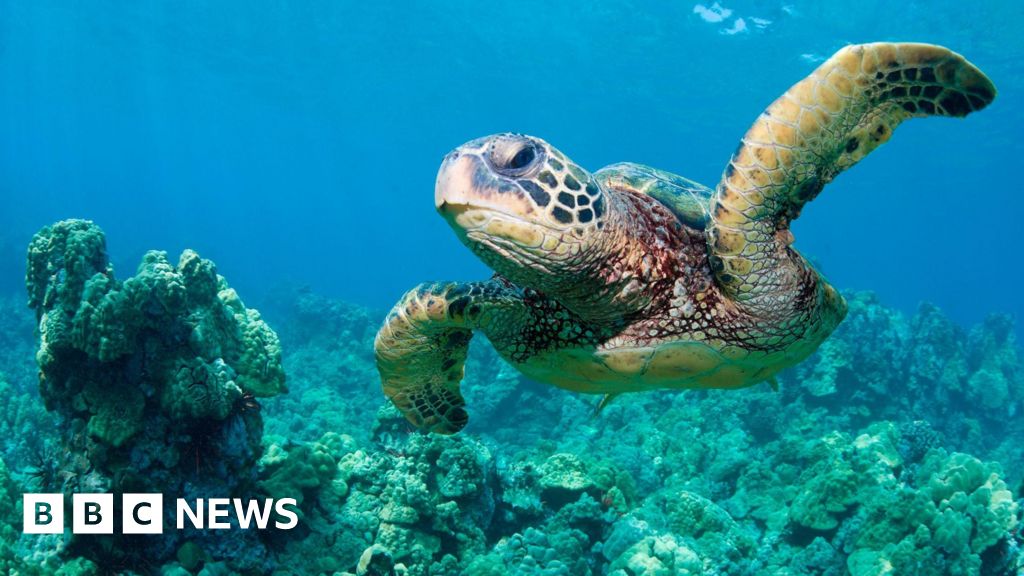
The threats to the Rice’s whale from oil and gas operations are multi-faceted. Seismic blasting, used to locate hydrocarbon reserves, generates intense underwater noise that can deafen whales, disrupt their ability to communicate, navigate, and find food, and even cause physical trauma. Increased vessel traffic associated with drilling operations heightens the risk of vessel strikes, a leading cause of mortality for large whales. Furthermore, the constant background noise from drilling platforms and support vessels creates chronic stress, impacting the whales’ reproductive success and overall health. Perhaps most devastatingly, oil spills, like the catastrophic Deepwater Horizon disaster, can directly poison marine life, destroy habitats, contaminate food sources, and lead to long-term population declines. The green sea turtle, another of the approximately 20 threatened species in the Gulf of Mexico, also faces significant risks from oil activities, including habitat degradation, ingestion of oil, and impacts on their nesting beaches.
Brett Hartl, government affairs director at the environmental charity Center for Biological Diversity, sharply criticized the decision. "Americans overwhelmingly oppose sacrificing endangered whales and other marine life so the fossil fuel industry can get richer," Hartl stated, reflecting the widespread public concern for conservation. He argued that the decision set a dangerous precedent, undermining the very foundation of the Endangered Species Act and signaling that economic interests and perceived national security needs could easily override scientific consensus on species protection.
Conversely, the oil and gas industry lauded the committee’s decision. Holly Hopkins, Vice President of the American Petroleum Institute (API), praised the directive as an "important step toward ensuring a workable path forward for safe, responsible offshore development while minimizing impacts on endangered species." The industry has long argued that environmental regulations, particularly those under the ESA, impose undue burdens and delays on energy projects, hindering job creation and economic growth. Hegseth echoed this sentiment during the meeting, asserting that litigation by environmental groups had unduly hampered oil and gas activity. He claimed that the exemption would allow for the "integration of oil and gas production with responsible endangered species protection," a statement that environmentalists find contradictory given the removal of critical safeguards.
The two previous instances where the "God squad" approved exemptions highlight the extreme rarity and significance of this week’s decision. In 1978, the committee famously decided against protecting the snail darter, a tiny fish, from the completion of the Tellico Dam in Tennessee, though subsequent legislative action ultimately saved the fish. The second known instance involved the northern spotted owl in the Pacific Northwest in the early 1990s, where economic impacts on the timber industry were weighed against the owl’s survival. Each of these cases sparked intense national debate over the balance between economic development and environmental preservation.
Despite the unanimous vote, the battle is far from over. Environmental groups have already pledged to pursue further legal action to prevent the exemption from taking effect. Their strategy will likely involve challenging the national security justification in court, arguing that less destructive alternatives were not adequately considered, or that the committee’s decision was arbitrary and capricious. The outcome of these legal challenges will not only determine the future of Gulf of Mexico species but could also set a significant precedent for how the US balances its energy needs, national security concerns, and environmental commitments in the years to come. The long-term ecological risks, particularly for a species as vulnerable as the Rice’s whale, remain a grave concern for scientists and conservationists alike.




 Nakalama John
 Roy Suryo
 atisusanti
 George Anjay