George Anjay
The fragile truce, initiated to coincide with Orthodox Easter celebrations, has been marred by mutual accusations of hundreds, and potentially thousands, of violations from both Ukrainian and Russian forces, casting a significant shadow over hopes for a peaceful observance of the holiday and any potential for de-escalation. The Ukrainian military reported a staggering 2,299 alleged violations by Russian forces since the ceasefire officially commenced at 16:00 local time (13:00 GMT) on Saturday. In a reciprocal assertion, the Russian defense ministry countered with claims of 1,971 violations by Ukrainian forces, notably including three alleged attempts at counter-attacks within the Dnipropetrovsk region.
Ukrainian President Volodymyr Zelensky, addressing the nation on Sunday morning, emphasized that his country’s forces would respond "symmetrically" to any Russian aggression during the designated period of peace, underscoring the sanctity of Easter as a "time of peace." He expressed a fervent hope that the ceasefire could be extended beyond the Easter period, potentially paving the way for renewed peace negotiations, which have largely stalled amidst the ongoing broader geopolitical landscape, including the recent outbreak of war in the Middle East. However, Russia swiftly rejected this proposal, signaling its intention to resume offensive operations on Monday.
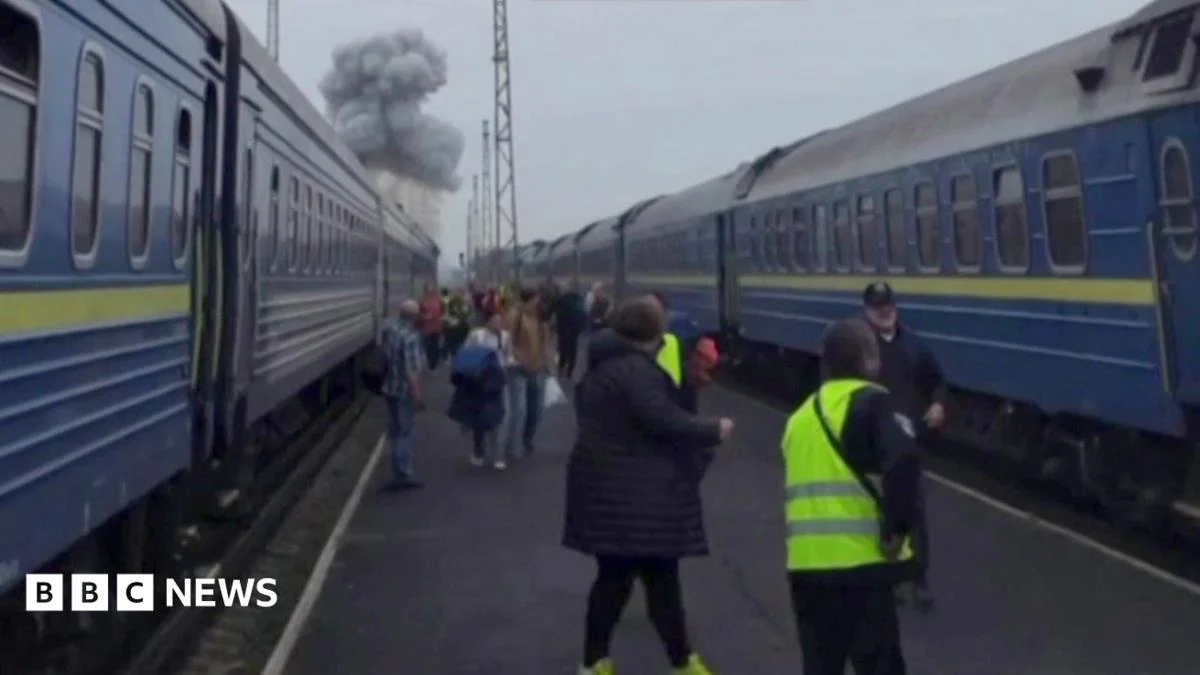
According to Ukrainian military reports, Russian troops reportedly carried out 28 distinct attacks and nearly 2,000 drone strikes during the ceasefire period. Crucially, these reported actions did not involve the use of bombs or missiles, a detail highlighted by the Ukrainian side. In a specific incident in Ukraine’s northern Sumy region, which shares a border with Russia, local authorities reported that a Russian drone struck an ambulance overnight, resulting in injuries to three medical personnel.
Conversely, Russia’s defense ministry detailed its own account of alleged Ukrainian actions, stating that Ukrainian forces launched three overnight attacks targeting Russian positions in the Pokrovsk area and Otradne, both situated within the Dnipropetrovsk region. Furthermore, the Russian ministry claimed that four attempted advances by Ukrainian troops in the Sumy and Donetsk regions were "thwarted."
The unilateral announcement of the Easter ceasefire by Russian President Vladimir Putin earlier in the week marked a departure from his previous resistance to repeated calls from Ukraine for a temporary cessation of hostilities. President Zelensky’s commitment to reciprocate any attacks during the ceasefire was a direct response to this initiative. This development also followed a period earlier in the year where Putin had, in a rare instance, acquiesced to a US request to halt strikes on energy infrastructure as Ukraine braced for severely cold winter temperatures.
In the initial hours of the truce on Saturday, both Ukrainian and Russian sources reported limited violations. However, these initial claims were soon overshadowed by the significantly larger figures subsequently released by both sides, indicating a rapid deterioration of the ceasefire’s effectiveness.
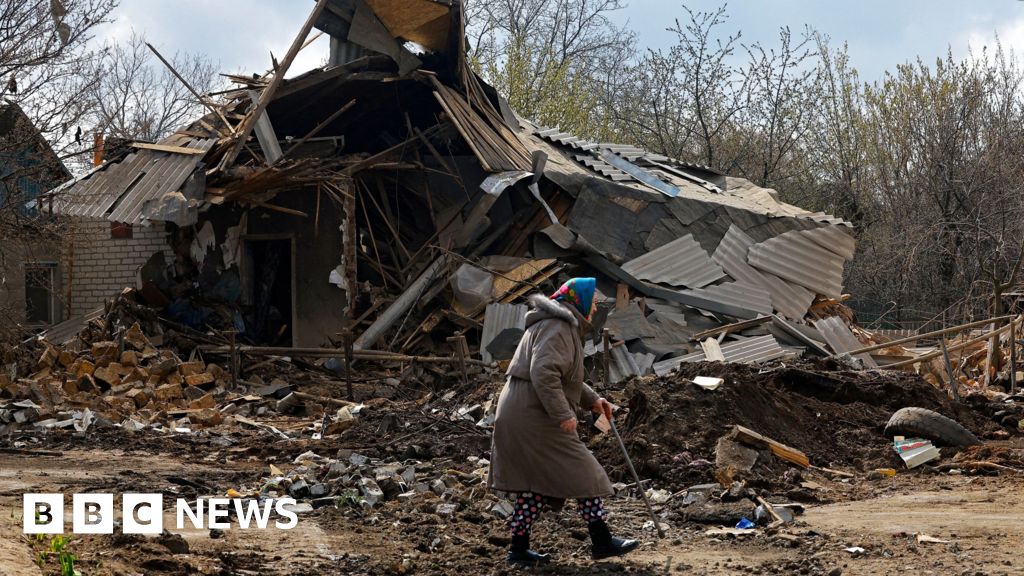
Amidst the ongoing military tensions, both Ukrainian and Russian authorities announced a reciprocal exchange of 175 prisoners of war on Saturday. This exchange also included seven civilians from each side, offering a rare glimmer of humanitarian progress in the conflict.
For Ukrainian civilians and soldiers enduring the protracted conflict, which has been raging with full force since 2022, expectations regarding the ceasefire remain decidedly low. The persistent pattern of violations and the mutual accusations have fostered a deep-seated skepticism about the sincerity and durability of any proposed truce. Kyiv has consistently advocated for a more comprehensive ceasefire, viewing it as an indispensable prerequisite for initiating substantive peace negotiations and ultimately achieving a lasting end to the full-scale invasion. However, Moscow has maintained its insistence on agreeing to a comprehensive peace deal first, a stance that has fueled accusations from Ukraine and its European allies that Russia is not genuinely committed to ending the fighting.
The strategic significance of the Dnipropetrovsk region, mentioned in both Ukrainian and Russian reports of violations, cannot be overstated. This region, a vital industrial and logistical hub in central Ukraine, has been a focal point of military activity and has witnessed repeated attempts by both sides to gain or maintain control over key infrastructure and strategic positions. The mention of attempted counter-attacks in this region by Russia, and Ukrainian advances being "thwarted" by Russian forces, highlights the continued intensity of fighting in this strategically important area, even under the guise of a ceasefire. The repeated drone strikes reported by Ukraine, while not involving heavier munitions, still represent a significant violation of the ceasefire and a continued threat to civilian infrastructure and personnel, as evidenced by the incident in Sumy.
The Sumy region’s proximity to the Russian border makes it a particularly vulnerable area, susceptible to cross-border incursions and shelling. The reported drone strike on an ambulance underscores the brutal reality of the conflict, where even emergency medical services are not spared from the violence. This incident, if confirmed, would represent a grave violation of international humanitarian law and further erode any trust or goodwill that might have been generated by the ceasefire announcement.
The differing narratives surrounding the ceasefire violations underscore the deep information war being waged by both sides. Each nation seeks to control the narrative, portray the other as the aggressor, and justify its own actions to domestic and international audiences. The sheer volume of reported violations, regardless of their precise accuracy, demonstrates the inherent fragility of any ceasefire in the current climate. The absence of a robust, verifiable, and independently monitored ceasefire mechanism has consistently proven to be a critical weakness in attempts to de-escalate the conflict.
The ongoing prisoner exchanges, while positive in their humanitarian aspect, are often seen as tactical moves rather than indicators of a broader commitment to peace. Both sides utilize these exchanges to showcase their ability to negotiate and to gain a propaganda advantage. The inclusion of civilians in these exchanges, while a welcome humanitarian gesture, also highlights the devastating impact of the war on non-combatants, who are often caught in the crossfire and subjected to arbitrary detention.
The international community’s role in this conflict remains complex. While many nations have condemned Russia’s invasion and provided support to Ukraine, achieving a lasting peace remains an elusive goal. The ongoing stalemate on the battlefield and the entrenched positions of both Kyiv and Moscow make diplomatic solutions exceedingly difficult. The failure of the current ceasefire to hold, even for a brief period, serves as a stark reminder of the deep-seated animosity and the formidable challenges that lie ahead in resolving this devastating conflict. The hope for peace, however diminished, rests on the possibility of renewed diplomatic efforts and a genuine willingness from both sides to prioritize de-escalation and dialogue over continued military confrontation. The Orthodox Easter, a time traditionally associated with reconciliation and renewal, has unfortunately become another grim milestone in a conflict that continues to inflict immense suffering and destruction.


 Nakalama John
 Ramos Leo
 Nana Banana