Roy Suryo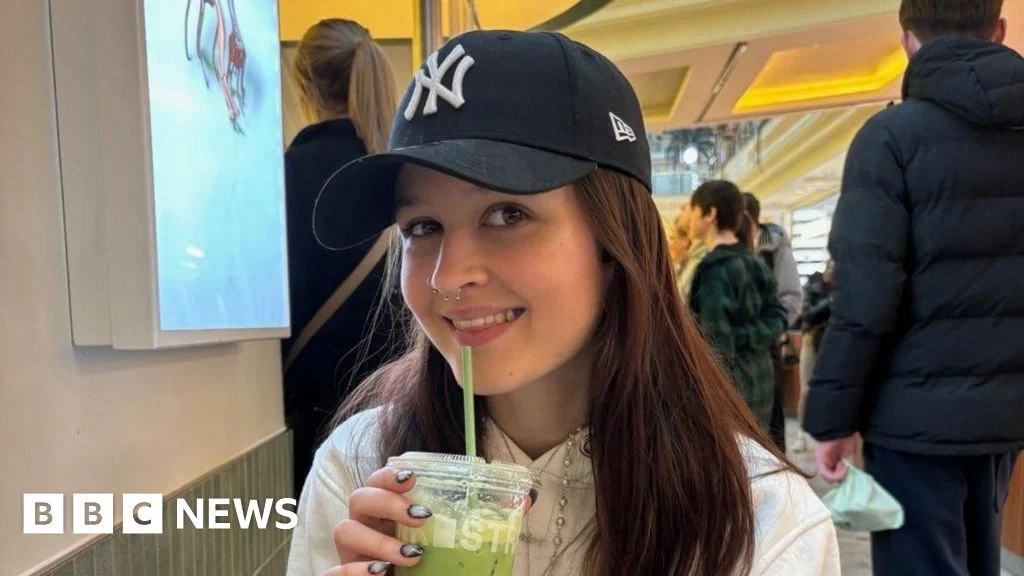
Maddie Haining, an 18-year-old from Oldham, experienced a deeply humiliating and infuriating ordeal when she was escorted out of Club Tropicana in Manchester’s Gay Village on Saturday night, solely because of her wheelchair. What began as a night out with a friend quickly descended into distress when, within five minutes of entering the popular venue, a bar manager demanded she leave, citing her wheelchair as a "safety risk." The incident, which Maddie captured on video and shared on Instagram, has ignited outrage and calls for accountability, with the young woman asserting, "It’s not okay to be removed from bars because you are disabled and different to other people. If they can be in there then why shouldn’t we."
Maddie, a college student who has been a wheelchair user for nearly five years, described the manager’s behaviour as "horribly rude" and inconsistent. Initially, security staff had assisted in lifting her wheelchair into the club, and she and her friend were informed there was no issue with their presence. However, after her friend went to purchase a drink, security approached again, apologising but stating they had been instructed to ask Maddie to leave. When Maddie requested to speak with the manager, he proved uncooperative and dismissive. "I asked ‘how was I a safety risk?’ If I was a safety risk they wouldn’t have let me in in the first place," Maddie recounted, highlighting the illogical nature of the club’s reasoning. When pressed for a justification, the manager’s explanation shifted, first to a general safety risk, and then inexplicably to a "fire risk."
Undeterred and armed with her rights, Maddie produced her phone and showed the staff the 2010 Equality Act, a crucial piece of legislation designed to protect individuals from discrimination. She explained that evacuation plans for venues must be inclusive and that wheelchair users cannot be arbitrarily removed based on a fabricated fire risk. "I said ‘you can’t make me leave because I’m in a wheelchair – this is discrimination’," she stated, her voice firm despite the distressing circumstances. However, the manager remained obstinate, repeatedly stating his position without acknowledging the legal implications or Maddie’s valid points.
The incident has drawn swift condemnation from disability advocacy groups, who have labelled the club’s actions as blatant discrimination and a violation of the Equality Act. The Act mandates that venues make "reasonable adjustments" to ensure access for disabled people, which includes provisions for wheelchair users, such as ramps and other practical measures. Failure to do so constitutes discrimination, and refusing entry based on a disability is a clear breach of the law.
In response to the growing public outcry, Club Tropicana issued a statement acknowledging that an internal investigation is underway. However, they also noted that they had not been directly contacted by Maddie, adding, "it would be inappropriate to comment further." This response has been met with skepticism, with many questioning the sincerity of the investigation when the club initially denied any wrongdoing. Manchester City Council has also confirmed it is investigating the incident after Maddie lodged a complaint with its licensing committee, a move that could have significant repercussions for the club’s operating license.

Maddie also revealed that the manager threatened to pass on any potential fines the venue might receive due to the incident directly to her, a further escalation that underscored his aggressive and unreasonable stance. She recounted her conversation with BBC Radio Manchester, detailing how she eventually decided to leave, but only after demanding the names and contact details of the staff involved so she could formally lodge her complaint. The entire experience, she said, was "really embarrassing. I was in a bar with my friends and kept getting security sent over." The feeling of being singled out and dismissed, despite presenting legal justification, was "infuriating."
"I’d never had anything like this happen before, and I know my rights," Maddie asserted, her resilience evident. "Being disabled for nearly five years you kind of just learn about this stuff." Her proactive approach to understanding her rights and her willingness to stand up against discrimination are commendable. Her experience highlights a persistent issue of accessibility and attitudes towards disabled individuals in public spaces, particularly in entertainment venues.
The incident has sparked a wider conversation about the importance of inclusivity and the need for businesses to not only comply with but actively embrace the spirit of the Equality Act. Disability rights campaigners have emphasized that venues must go beyond mere compliance and foster environments where everyone feels welcome and respected. The onus is on establishments like Club Tropicana to ensure their staff are adequately trained in disability awareness and understand the legal and ethical obligations they have towards all patrons.

Furthermore, the incident raises questions about the broader culture surrounding nightlife and whether venues are adequately prepared to cater to diverse clientele. While Manchester’s Gay Village is often celebrated for its inclusivity, this incident suggests that even within such communities, pockets of discrimination can persist. The video shared by Maddie has served as a powerful testament to the challenges faced by disabled individuals and has amplified calls for greater awareness and sensitivity within the hospitality industry.
The legal ramifications for Club Tropicana could be substantial. Refusing entry based on disability is a direct contravention of the Equality Act, and if the council’s investigation finds evidence of discrimination, the club could face penalties, including potential loss of its license. The incident serves as a stark reminder that ignorance of the law is no excuse and that businesses have a fundamental responsibility to provide equal access and opportunity for all members of society.
Maddie’s courage in speaking out has undoubtedly shone a spotlight on the issue, encouraging other disabled individuals who may have faced similar discrimination to come forward. Her determination to seek justice and hold the club accountable is a powerful example of the ongoing fight for equality and accessibility. The hope is that this incident will serve as a catalyst for meaningful change, ensuring that no one is ever again denied entry to a public venue simply because of a disability. The visual evidence she captured, combined with her articulate recounting of events, leaves little room for doubt about the discriminatory nature of the club’s actions. The future of Club Tropicana’s operations now hinges on how effectively they address this serious complaint and demonstrate a genuine commitment to inclusivity.




 George Anjay
 Nakalama John
 Ramos Leo