
 Roy Suryo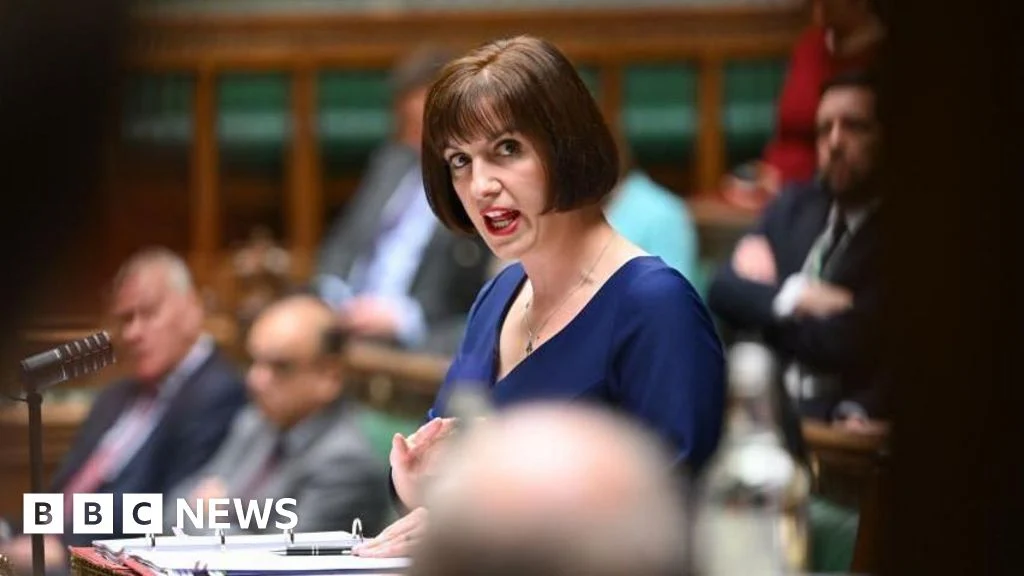
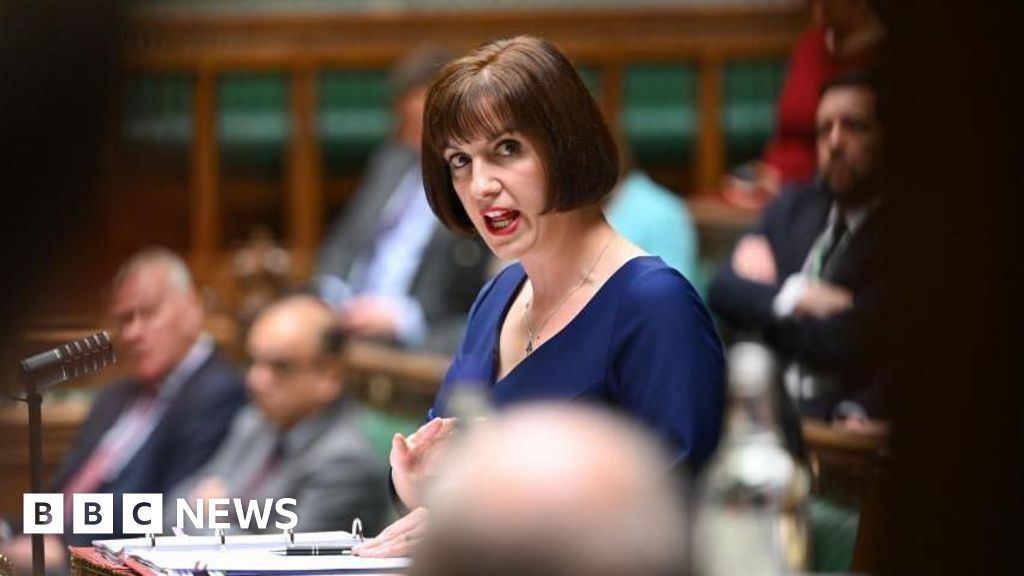
The long-awaited guidance on single-sex spaces is set to be published next month, following the conclusion of the May 7th elections, as confirmed by Equalities Minister Bridget Phillipson. This announcement comes after the Equality and Human Rights Commission (EHRC) submitted updated draft guidance on Monday. However, due to pre-election purdah rules, the government is currently restricted from making further public statements on the matter, as stated by Phillipson in a written parliamentary update.
The redrafting of the EHRC’s Code of Practice, which provides crucial guidance to organisations on the practical application of equalities law, was initiated in response to a landmark Supreme Court ruling. This pivotal decision clarified that the definition of a "woman" under the Equality Act 2010 is to be interpreted based on biological sex. A preliminary draft of the updated code was submitted for approval in September, but it has since undergone further revisions.
Dr. Mary-Ann Stephenson, Chair of the EHRC, explained that the latest amendments were incorporated after the government provided a "narrow set of comments" on the previous draft. These revisions also took into account responses from a broader consultation process and expert legal advice. Dr. Stephenson emphasized that the amendments are designed to enhance the understanding of duty bearers regarding the law and its application across a diverse range of scenarios they encounter in their day-to-day operations. Her stated objective is to ensure that "all service users are treated with dignity and respect, in line with the Equality Act."
Minister Phillipson assured that the government is taking "urgent action" to present the finalized guidance to Parliament. This will occur shortly after the local elections in England and the national elections in Scotland and Wales, all scheduled for May 7th. The parliamentary calendar dictates that the House of Commons will not reconvene after these elections until the State Opening of Parliament on May 13th, followed by a further recess commencing on May 21st. This timeline means the guidance will likely be laid before Parliament in the period between these two significant dates.
Phillipson also reaffirmed the government’s stance in supporting the principle of single-sex spaces being designated based on biological sex. She highlighted that the Supreme Court’s ruling had unequivocally established that protections for transgender individuals are already integrated within the existing framework of the Equality Act. The EHRC’s Code of Practice serves as a vital interpretative document, guiding public bodies and service providers on how to correctly apply the provisions of the Equality Act 2010.
The impetus for updating this code stems directly from the Supreme Court’s ruling in the case of For Women Scotland, delivered in April of the previous year. This judgment unequivocally determined that the terms "sex," "man," and "woman" pertain to biological sex when considering equality law across England, Scotland, and Wales. BBC News has not yet had access to the most recent version of the updated guidance or the specific feedback provided by the government on the earlier draft.
The delay in publishing the guidance has drawn criticism from various stakeholders. Alex Parmar-Yee, representing the trans rights campaign group Trans+ Solidarity Alliance, expressed a degree of optimism that the draft guidance has been amended, noting that a previously leaked version was considered "unworkable." Parmar-Yee stated, "The only workable solution is to protect the norm of trans-inclusive provision across the country, in line with international human rights standards and Labour’s own promises to the trans community." This perspective underscores the ongoing debate and the desire for clear, inclusive guidelines that accommodate the rights and needs of the transgender community.
Conversely, Maya Forstater, CEO of the sex-based rights charity Sex Matters, voiced concerns that the prolonged delay in publishing the new guidance is actively causing harm to women. "It’s extraordinary that a year after the Supreme Court judgement, and seven months after the independent regulator first submitted its Code of Practice, the government has found another excuse for delaying the guidance," she remarked. This sentiment reflects a feeling of frustration among those who advocate for the prioritization of sex-based rights and believe that the current uncertainty is detrimental.
Once the government approves the revised code, it will be formally laid before Parliament. This process initiates a 40-day period during which the guidance will be subject to parliamentary scrutiny. At the conclusion of this period, the code will gain statutory force unless either the House of Commons or the House of Lords successfully passes a motion to reject it. This parliamentary procedure highlights the democratic oversight involved in implementing such significant guidance.
The controversy surrounding single-sex spaces has been a prominent feature of public and political discourse, particularly since the Supreme Court’s ruling. The Equality Act 2010, which forms the bedrock of anti-discrimination law in the UK, allows for certain exceptions to general provisions regarding sex, permitting single-sex services where it is a "proportionate means of achieving a legitimate aim." This has led to extensive debate about what constitutes a "legitimate aim" and what measures are "proportionate," especially in contexts such as healthcare, refuges, changing rooms, and sports.
The EHRC, as the statutory body responsible for promoting and enforcing equality and human rights law, plays a critical role in interpreting and clarifying these complex legal provisions. Its Code of Practice is intended to provide practical advice to service providers, helping them navigate the legal landscape and ensure compliance with the Equality Act. The redrafting process has been characterized by differing interpretations of the Supreme Court’s judgment and ongoing lobbying from various advocacy groups representing both women’s rights and LGBTQ+ rights.
The government’s commitment to publishing the guidance after the elections signifies an attempt to move past the immediate electoral pressures and address a complex and sensitive issue. The timing of the announcement, just before the pre-election period, suggests a deliberate strategy to avoid making potentially divisive policy announcements during the election campaign.
The Supreme Court’s decision in the For Women Scotland case, which focused on the interpretation of "sex" in the context of the Gender Recognition Act 2004 and the Equality Act 2010, has been a key catalyst for the EHRC’s review. The ruling clarified that for the purposes of the Equality Act, "sex" refers to biological sex. This has led to calls for greater clarity on how service providers should differentiate between sex and gender identity when making provisions for single-sex spaces.
The EHRC’s updated guidance is expected to offer more detailed direction on how organizations can lawfully implement single-sex policies, while also ensuring that the rights and dignity of transgender individuals are respected. The balance between these two considerations has been at the heart of the debate, with concerns raised by some about the potential for transgender women to access women-only spaces, and by others about the potential for discrimination against transgender individuals if such spaces are not inclusive.
The involvement of the EHRC as an independent regulator is crucial in providing an authoritative interpretation of the law. However, the political sensitivity of the issue means that any guidance issued is likely to be subject to intense scrutiny and debate. The forthcoming publication of the code of practice will be a significant moment, offering much-needed clarity but also likely to be met with further discussion and potential challenges from various quarters. The government’s pledge to expedite its publication post-election indicates an awareness of the urgency and the desire to resolve the ongoing uncertainty surrounding single-sex spaces. The parliamentary approval process will then determine the final legal standing of the guidance, aiming to provide a framework that is both legally sound and socially acceptable.




 George Anjay
 Nakalama John
 atisusanti
 Ramos Leo
 Nana Banana