Nana Banana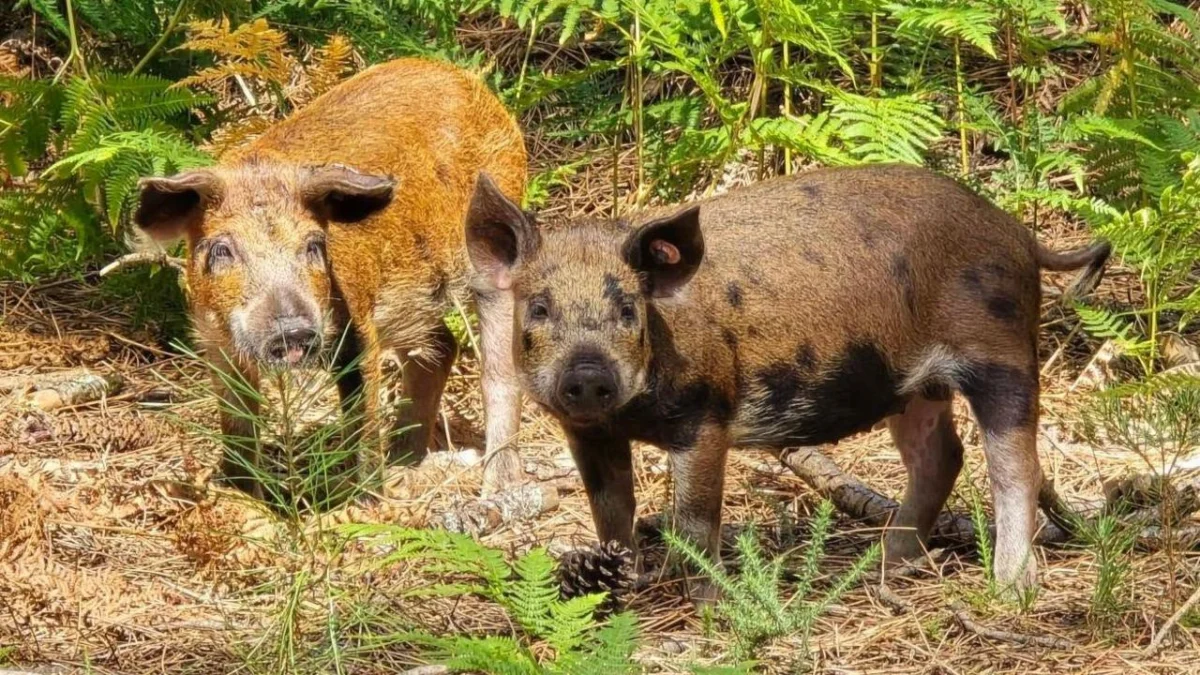
Brownsea Island, a jewel in the crown of the Purbeck National Nature Reserve, is an internationally significant area renowned for its rich tapestry of wildlife, including iconic red squirrels, rare wading birds, and a diverse array of flora. However, like many heathland ecosystems across the UK, it faces persistent challenges from invasive or dominant plant species. Bracken (Pteridium aquilinum), while a native plant with its own ecological role, possesses an aggressive growth habit, forming dense monocultures that can smother more delicate heathland vegetation, suppress the regeneration of native trees and shrubs, and ultimately diminish the overall biodiversity of the woodland understory and open heath.
The introduction of these two young Mangalitsa-cross pigs, currently around four months old, is a carefully considered strategy by the Dorset Wildlife Trust (DWT), which manages 100 hectares of the island’s northern side in partnership with the National Trust. The choice of Mangalitsa pigs is far from arbitrary. Originating from Hungary in the 1830s, the Mangalitsa is a distinctive breed developed by crossing Eastern European domestic pigs with wild boar. This lineage imbues them with robust characteristics, including a thick, woolly coat that offers excellent protection against the elements, and, crucially for their current role, a powerful innate instinct for foraging and rooting. Their Mangalitsa-cross heritage means they retain many of these beneficial traits, promising to become impressive, large, woolly adults, eventually reaching weights of approximately 180kg (28 stone).
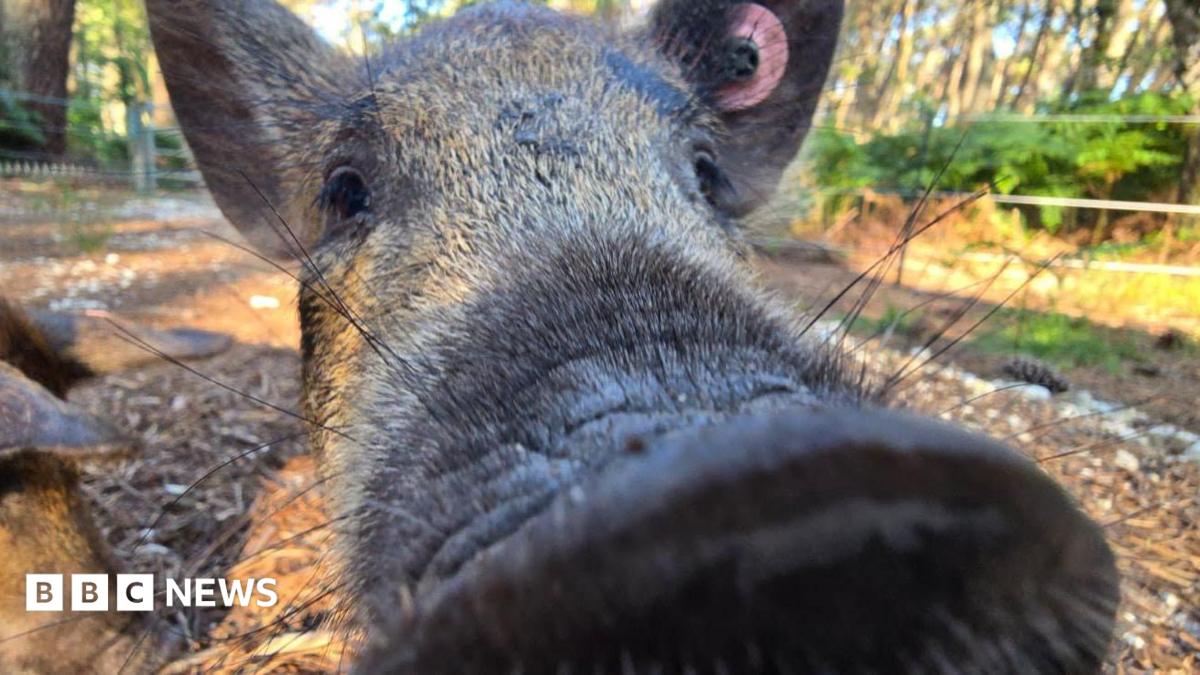
The primary mechanism by which these porcine pioneers contribute to heathland restoration lies in their natural foraging behaviour. As they root and rummage through the soil, searching for subterranean food sources such as roots, tubers, and rhizomes – particularly those of bracken – they perform a vital ecological service. This constant disturbance of the topsoil achieves several critical outcomes. Firstly, by consuming the bracken rhizomes, they directly reduce the plant’s ability to spread and regenerate, effectively weakening its hold on the land. Secondly, their rooting action breaks up the dense mat of bracken litter and topsoil, creating patches of bare ground. This newly exposed soil is essential for the germination and establishment of seeds from native heathland plants like heather (Calluna vulgaris), gorse (Ulex europaeus), and various grasses and wildflowers that struggle to compete under a thick bracken canopy.
Moreover, the pigs’ activities go beyond simple bracken control. Their rooting aerates the soil, improving drainage and nutrient cycling, which further benefits a wider range of plant species. The creation of diverse microhabitats, from disturbed soil patches to wallows, supports a greater variety of invertebrates, which in turn provides a food source for insectivorous birds and other wildlife. This ripple effect helps to re-establish a more balanced and resilient ecosystem. For instance, rare heathland specialists such as the sand lizard, smooth snake, and various ground-nesting birds like the Dartford warbler and nightjar rely on open heathland with a mosaic of vegetation heights and bare ground for basking, foraging, and nesting. By curbing bracken dominance, the Mangalitsa pigs are directly fostering the conditions necessary for these species to thrive.
The use of grazing animals, often referred to as ‘conservation grazing,’ is a time-honoured and increasingly popular method in modern ecological management. Unlike mechanical removal, which can be disruptive and labour-intensive, or chemical treatments, which carry environmental risks, the pigs offer a holistic and self-sustaining solution. Their presence mimics the historical grazing patterns of wild herbivores that once shaped these landscapes, creating a dynamic environment that naturally resists the encroachment of dominant species. This ‘rewilding’ approach leverages natural processes to restore ecological integrity, making it a powerful tool for land managers like the DWT and National Trust.
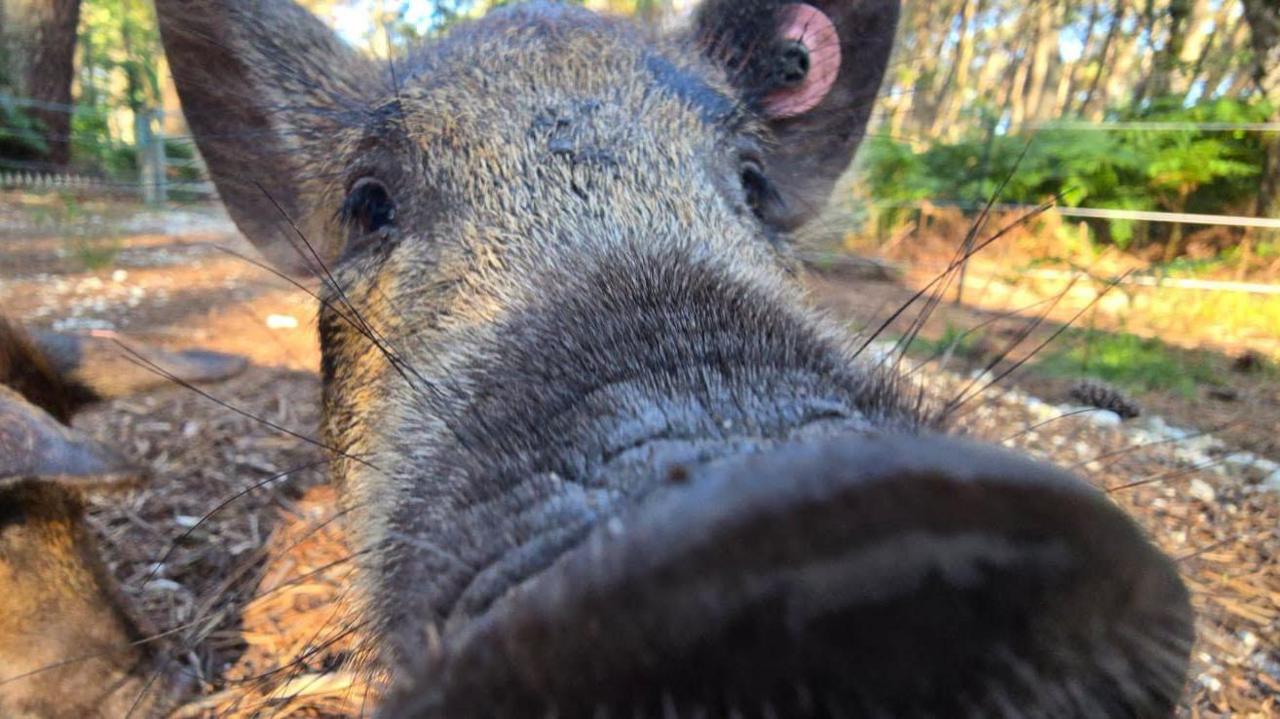
The Salt Pig farm at Putlake’s contribution to this project is commendable, highlighting a growing trend of collaboration between agricultural enterprises and conservation bodies for mutual benefit. By loaning these specific Mangalitsa-cross pigs, they are providing a tailored solution, as this breed’s hardiness and foraging prowess make them exceptionally well-suited for the rugged terrain and environmental conditions of Brownsea Island. The farm’s commitment to sustainable practices likely aligns with the conservation goals of the DWT, fostering a synergistic partnership.
Already, the DWT spokesperson reports that the pair are "settling in well" to their designated enclosure at the north-west end of the island. Their inherent curiosity and "slightly cheeky" personalities are beginning to emerge, adding a charming dimension to their vital work. While they may currently be small, their future as large, woolly workers promises a significant impact on Brownsea’s landscape. The visual transformation of the heathland, from a bracken-dominated monoculture to a vibrant, species-rich mosaic, will be a testament to their efforts.
Brownsea Island’s status as part of the Purbeck National Nature Reserve and its international importance underscore the necessity of such proactive conservation measures. The island’s diverse habitats, including pine woodland, salt marsh, and heathland, support an astonishing array of life. It serves as a crucial refuge for red squirrels, which are now extinct on the mainland of southern England, and its lagoons provide vital wintering grounds for thousands of birds. Maintaining the delicate balance of these ecosystems requires continuous, adaptive management. The Mangalitsa pigs are not merely clearing bracken; they are acting as ecosystem engineers, helping to sculpt a healthier, more diverse landscape for countless species.
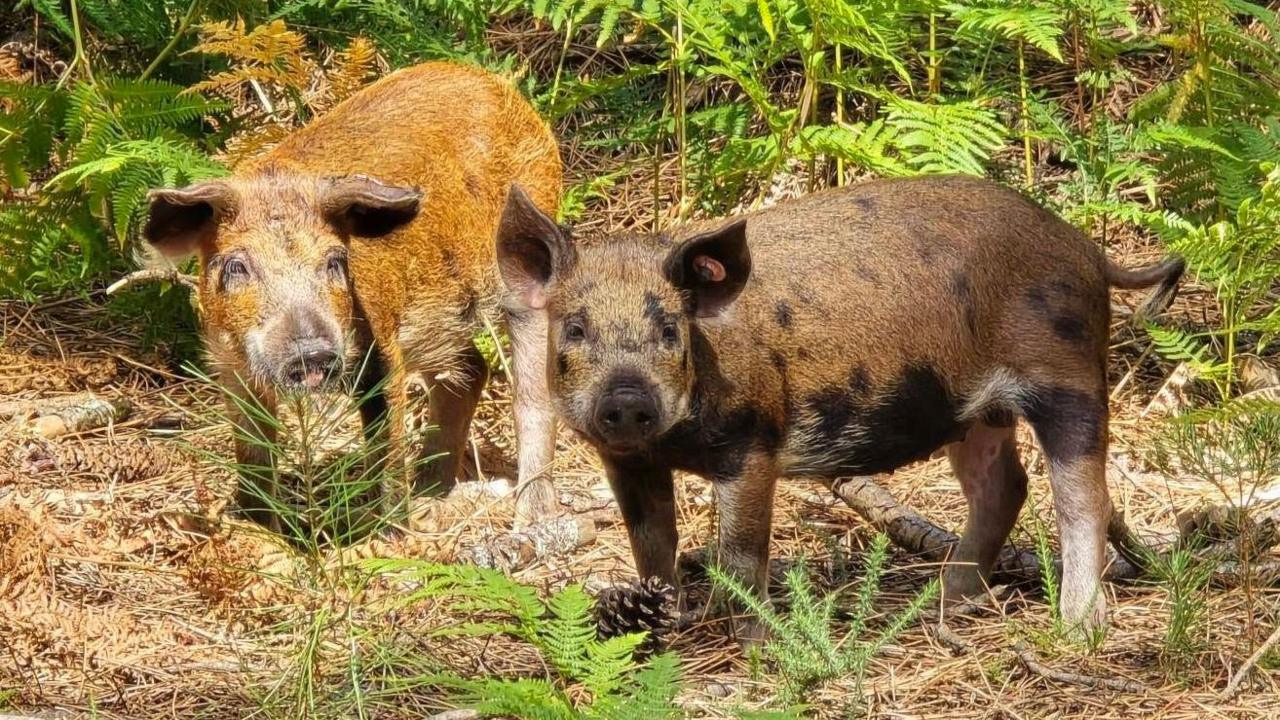
Looking ahead, the DWT will meticulously monitor the pigs’ progress and the ecological response of the heathland. Success will be measured not only by the reduction in bracken cover but also by the resurgence of native plant species, an increase in invertebrate populations, and the observed presence of rare heathland wildlife. This pilot project on Brownsea Island holds the potential to inform future conservation grazing initiatives, demonstrating the profound and positive impact that a few "cheeky" pigs can have on restoring and enriching invaluable natural habitats. The partnership between DWT, the National Trust, and the Salt Pig farm exemplifies a forward-thinking approach to conservation, where ancient instincts meet modern ecological challenges, promising a brighter future for one of Dorset’s most cherished natural treasures.



 Roy Suryo