Ramos Leo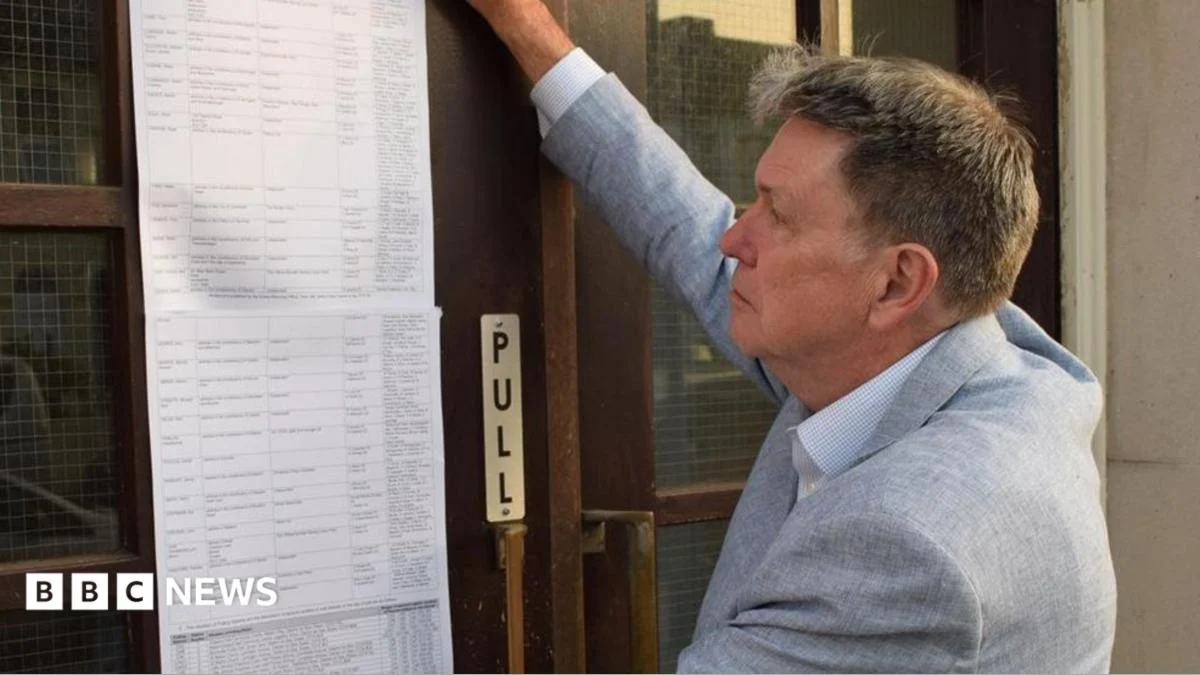
Nigel Farage, a figure synonymous with Euroscepticism and anti-establishment politics in the United Kingdom, stepped down from his parliamentary seat on July 7th. His resignation followed a period of intense public scrutiny regarding his personal finances and the initiation of a parliamentary investigation into related matters. While the specifics of the investigation remain under wraps, such inquiries typically delve into areas like declarations of interest, sources of income, and compliance with parliamentary rules designed to ensure transparency and prevent conflicts of interest. The pressure mounted significantly, prompting Farage’s decision to vacate his position, yet, in a move characteristic of his political career, he immediately declared his intention to stand again for the very seat he had just relinquished. This decision transforms the by-election from a simple vacancy filling into a high-stakes personal referendum on his leadership and the future direction of Reform UK.
The certified list of candidates presents an extraordinary tableau of political ambition and protest. It features a striking contingent of 20 independent candidates, each offering their unique perspective and platform, free from party allegiances. Alongside these independents are a number of more unconventional entries, colloquially referred to as "joke candidates," though often carrying a serious underlying message. Prominent among these are three representatives from the Official Monster Raving Loony Party, known for their satirical manifestos and their long-standing tradition of using humour to highlight political absurdities and call for greater public engagement. What is particularly noteworthy, and indeed a defining characteristic of this by-election, is the complete absence of candidates from the main Westminster parties – the Conservative Party, the Labour Party, and the Liberal Democrats. This collective decision by the established political forces reflects a strategic choice, potentially aimed at avoiding a direct confrontation with Farage in what is widely considered his political stronghold, or perhaps to implicitly acknowledge the unique, protest-driven nature of the contest.
According to Tendring District Council, the local authority responsible for overseeing the election, this by-election is believed to have attracted the highest number of candidates in modern British history. This record surpasses the previous benchmark set at the Haltemprice and Howden by-election in July 2008, which saw 26 candidates vying for the seat. That earlier contest was triggered by the resignation of the then Shadow Home Secretary, Sir David Davis, from his own safe Conservative seat. Davis’s dramatic move was a protest against the Labour government’s proposal to extend the period of detention for terror suspects without charge to 42 days, a measure he argued was a fundamental assault on civil liberties. Similar to Clacton, the main Westminster parties notably chose not to contest Haltemprice and Howden, leaving the field open for a diverse array of independent and minor party candidates. Davis ultimately won back his seat with a significantly reduced majority, having faced an unusual challenge from a range of candidates united only by their opposition to his stance or their desire to seize a unique political opportunity. The parallels between these two by-elections – the high number of candidates, the absence of mainstream parties, and the protest-driven nature – offer valuable context to the unfolding events in Clacton, suggesting a recurring pattern in British politics where extraordinary circumstances lead to extraordinary electoral contests.
The Clacton constituency itself holds significant political symbolism. Located on the Essex coast, it is an area that has historically shown strong support for Eurosceptic and anti-establishment movements. Clacton became the first constituency to elect a UK Independence Party (UKIP) MP in 2014, when Douglas Carswell defected from the Conservatives and won the subsequent by-election, riding a wave of anti-EU sentiment that Farage himself was instrumental in cultivating. The demographics of Clacton, often characterised by an older population, working-class communities, and a sense of being overlooked by the political establishment, have consistently made it fertile ground for candidates promising radical change and a direct challenge to the status quo. Farage’s personal connection to the area, having previously represented it under the UKIP and Brexit Party banners, further cements its status as a critical battleground for his political ambitions and those of Reform UK. For many, Clacton represents the heartland of the Brexit movement and a barometer for public sentiment regarding national sovereignty and immigration.
The decision for 34 candidates to stand creates considerable logistical challenges for Tendring District Council. Ballot papers will be exceptionally long, potentially causing confusion for some voters and certainly requiring careful design and printing. The counting process on the night of August 13th will also be more intricate and time-consuming, as electoral officials must meticulously verify and tally votes for an unprecedented number of choices. For the electorate, navigating such a crowded field demands a heightened level of engagement and discernment. Voters will be presented with a vast spectrum of views, from serious policy proposals to more whimsical or pointed protest statements, necessitating a careful consideration of each candidate’s motivations and platform.
The by-election’s outcome carries profound implications for Nigel Farage and Reform UK. For Farage, a victory would be a powerful vindication of his political strategy and a reaffirmation of his enduring appeal among a segment of the British public. It would solidify his position as a legitimate parliamentary force and provide a crucial platform for Reform UK to further challenge the established parties, particularly the Conservatives, ahead of a general election. Conversely, an unexpected loss, however unlikely given his historical dominance in the area and the lack of mainstream opposition, would be a devastating blow, potentially signalling a decline in his political potency. For Reform UK, the by-election serves as a critical test of its organisational strength, its ability to mobilise voters, and its capacity to translate populist sentiment into tangible electoral success. The scale of the candidate list also indicates the breadth of public dissatisfaction, with 20 independents suggesting a widespread desire for non-party political representation. This by-election could therefore be interpreted as a microcosm of broader national disaffection, where traditional party loyalties are weakening and voters are increasingly looking outside the established framework for political expression.
The campaign in Clacton is anticipated to be a lively and heavily scrutinised affair. National and international media attention will undoubtedly focus on Farage’s efforts to reclaim his seat and the unique dynamics of a multi-candidate race devoid of mainstream party involvement. The debates and hustings, if they occur, will likely feature an eclectic mix of personalities and policy positions, offering a vibrant, if sometimes chaotic, snapshot of modern British democracy. Beyond the immediate result, the Clacton by-election will be closely watched for any signals it sends about the public mood, the ongoing realignment of British politics, and the continued appeal of anti-establishment figures in an increasingly fragmented political landscape. The sheer volume of candidates reflects not just a local phenomenon but a broader trend of political diversification and a growing willingness among the public to challenge conventional political structures, making this by-election a truly historic and symbolically charged event.


 George Anjay
 Nakalama John
 Roy Suryo
 Nana Banana