Nana Banana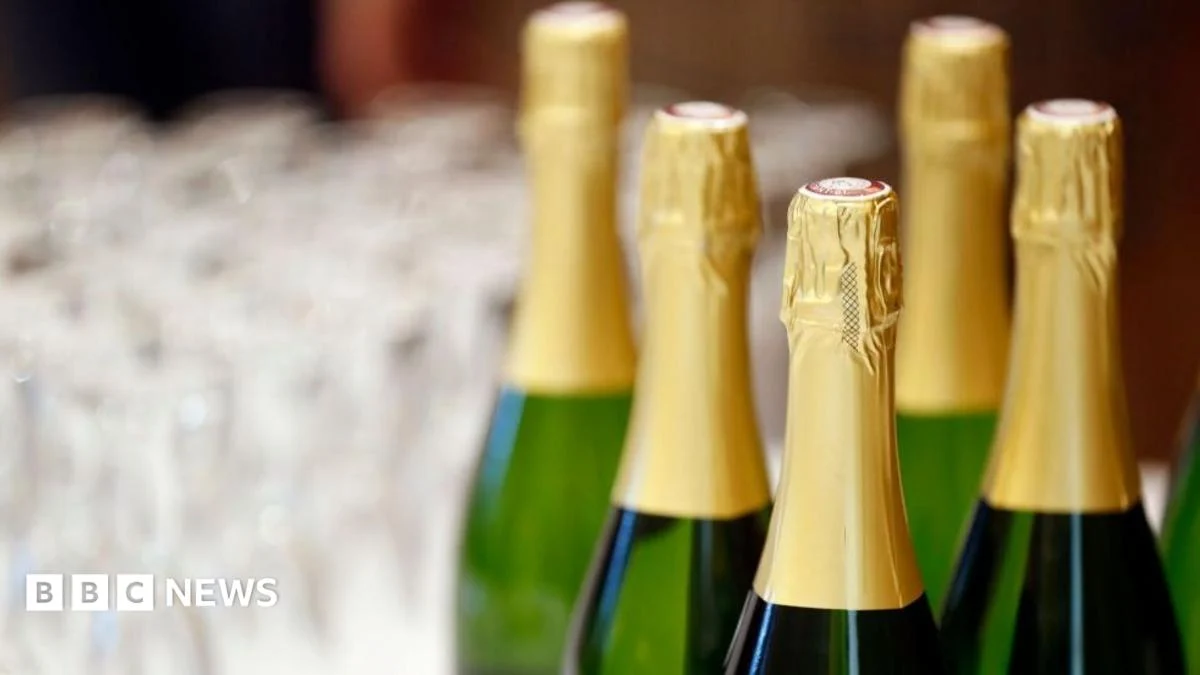
The adjustment comes after a year marked by extreme weather phenomena, pushing grape ripeness and sugar levels beyond typical parameters. While the regulatory limit for Champagne has long stood at a strict 13% ABV, a spokeswoman for the Comité Champagne clarified to the BBC that only "a very small number of wines from this harvest could have slightly exceeded" this ceiling. Specifically, some batches were projected to reach around 13.1% or 13.2% naturally during the second fermentation process – the critical stage that endows Champagne with its signature effervescence. This minute, yet significant, deviation prompted the swift and decisive action to exceptionally and temporarily increase the regulatory limit, exclusively for the 2026 vintage.
The 2026 growing season will undoubtedly be etched into Champagne’s annals as one of the most unusual and demanding. The association vividly described it as a period "marked by severe spring frosts of historic intensity, an exceptionally early flowering period and five heatwaves throughout the summer." These successive and intense climatic events created a unique environment for grape development. The first grapes were cut in early August, with the harvest expanding significantly by mid-month, marking it as "the earliest ever recorded in Champagne." Such an accelerated ripening cycle, directly attributable to sustained high temperatures and abundant sunshine, led to grapes with unusually high sugar concentrations. When these sugars are converted into alcohol during fermentation, the resulting wine naturally possesses a higher ABV.
Champagne production, governed by the stringent Appellation d’Origine Contrôlée (AOC) regulations, is a meticulous process, with every stage from vine to bottle subject to strict controls to preserve its unique quality and character. The méthode champenoise, involving an initial fermentation followed by a second fermentation in the bottle, is central to this. The sugar added during the liqueur de tirage (a mixture of sugar and yeast) for this second fermentation is carefully calibrated to produce the desired pressure and, consequently, the desired alcohol content and bubble structure. When the base wine itself already has a higher potential alcohol due to exceptionally sweet grapes, managing the final ABV within traditional limits becomes a significant challenge without resorting to techniques that might compromise quality or authenticity. The Comité’s decision reflects a pragmatic acknowledgment of natural processes, prioritizing the integrity of the harvest over an inflexible adherence to a specific number.
This move by the Comité Champagne is not merely a technical adjustment; it’s a potent symbol of the wider struggles facing the global wine industry in the face of climate change. Stéphane Vignon, a respected producer in Verzenay, articulated this sentiment starkly, telling The Times newspaper, "The Mediterranean climate is moving north. This is year one of a new cycle. It’s unlikely to be every year, but it will happen again." His words resonate deeply within a region that prides itself on centuries of tradition and a terroir precisely defined by its cool, northern latitude. The increasing frequency and intensity of extreme weather events – from devastating spring frosts that threaten budding vines to scorching summer heatwaves that accelerate ripening – are forcing producers to confront a rapidly evolving viticultural landscape.
While the Comité’s decision offers a temporary reprieve, the long-term implications are complex and multifaceted. One immediate concern revolves around market perception and consumer preferences. Jane Anson, a renowned wine columnist and author based in Bordeaux, warned in The Times that "Higher-strength champagne is unlikely to be an obvious selling point." She highlighted a growing global trend towards lower-alcohol beverages, with many consumers actively seeking out lighter options. "Today people increasingly prefer lower-alcohol," Anson noted, underscoring the potential disconnect between what a changing climate is naturally producing and what contemporary drinkers desire. This creates a significant "battle between what consumers want and what nature provides," adding immense stress for producers already navigating the vagaries of weather and market demands.
The prestige of Champagne is intrinsically linked to its delicate balance, its crisp acidity, and its refined character. A perceptible increase in alcohol content, even if slight, could subtly alter this profile, potentially impacting its signature elegance. Producers will need to carefully consider how to communicate this exceptional vintage to consumers, ensuring that the narrative focuses on resilience and adaptation rather than a perceived deviation from quality. Blending will play a crucial role, as winemakers strategically combine wines from various plots and vintages (for non-vintage Champagne) to achieve the desired house style. For the 2026 vintage, the ability to blend with reserve wines from cooler years, if available, could help mitigate the higher alcohol profile.
Furthermore, the timing of this vintage’s release adds another layer of complexity. The 2026 vintage, like all Champagnes, must undergo a mandatory aging period – at least 15 months for non-vintage and a minimum of three years for vintage Champagne. This means the wines from this uniquely challenging harvest are unlikely to hit shelves until 2028 at the earliest. This extended period provides producers with time to assess the wines, allowing for careful blending and strategic decisions about how to best integrate these higher-alcohol components into their portfolios while maintaining brand integrity.
Beyond Champagne, this situation serves as a stark warning for other wine regions globally. Viticulture, inherently tied to specific climates and terroirs, is on the front lines of climate change. Regions famous for their delicate, aromatic wines are seeing their traditional grape varieties struggle with increased heat, leading to over-ripeness, reduced acidity, and higher alcohol. Winemakers worldwide are exploring various adaptation strategies: planting new, more heat-tolerant grape varieties, shifting vineyard locations to higher altitudes or cooler exposures, adjusting canopy management, and altering harvest timings. The Champagne region, with its strict regulations and deep-rooted traditions, often acts as a bellwether for the wider industry. Its decision to adapt its foundational rules speaks volumes about the urgency of the climate crisis and its immediate, tangible effects on agriculture.
In essence, the Comité Champagne’s temporary lifting of the alcohol content limit is a testament to both the region’s resilience and the undeniable reality of a changing climate. It’s an acknowledgment that while tradition is paramount, adaptability is equally crucial for survival. This exceptional measure for the 2026 harvest highlights the delicate equilibrium between nature’s forces, human expertise, and the stringent regulatory frameworks that define one of the world’s most cherished wines. As the "Mediterranean climate moves north," the global wine industry watches Champagne, learning valuable lessons about how to maintain quality and identity in an increasingly unpredictable world.


 George Anjay
 Nakalama John
 Ramos Leo