Ramos Leo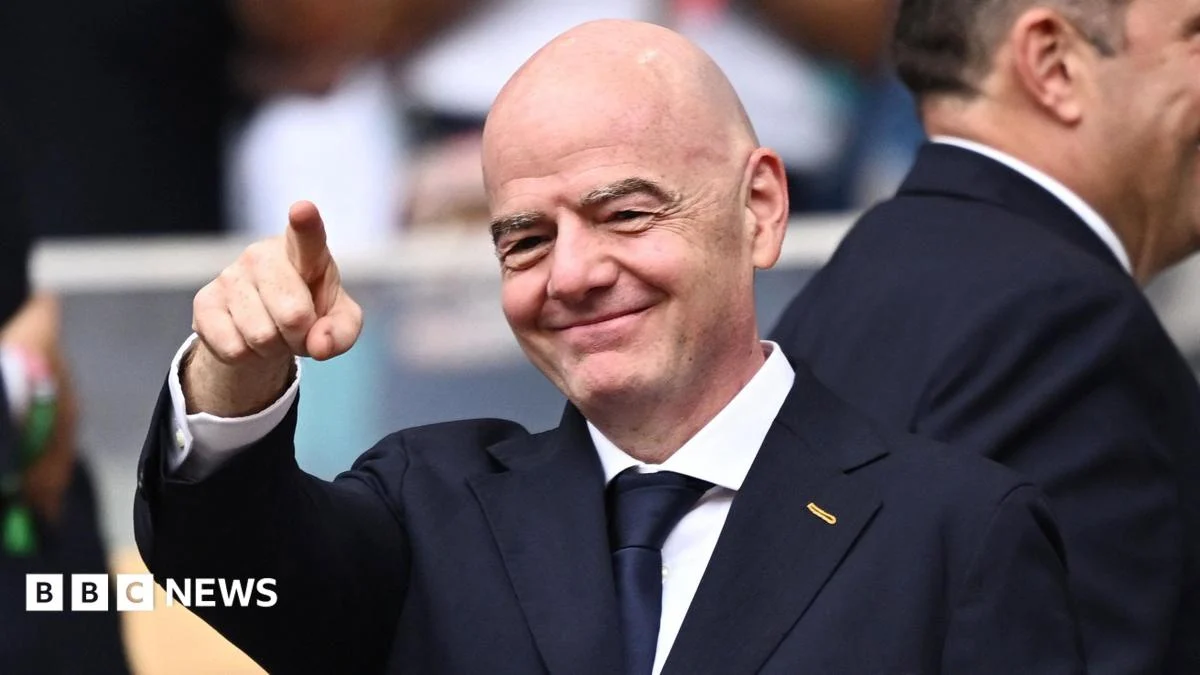
A pivotal flashpoint in the strained relationship between UEFA and FIFA arose during the recent World Cup, specifically concerning the Folarin Balogun incident. UEFA, which had imposed a ban on Balogun for an unspecified infraction, was outraged when FIFA unilaterally overturned its decision. The European body condemned this action as "unprecedented, incomprehensible and unjustifiable," declaring that FIFA had "crossed a red line" by directly interfering with a UEFA disciplinary ruling. This move was widely perceived as a direct challenge to UEFA’s judicial autonomy and a dangerous precedent for the independence of continental confederations within the global football structure. The incident underscored deeper fissures between the two organizations, hinting at ongoing power struggles over jurisdiction, governance, and the ultimate authority in football decision-making. Beyond the Balogun case, sources indicate other undisclosed issues contributing to the friction, ranging from disagreements over tournament scheduling and player welfare policies to financial distributions and the future direction of international football competitions.
FIFA’s governance and operational practices have also drawn severe criticism from various quarters. The high cost of tickets for World Cup matches, managed under FIFA’s controversial "dynamic pricing" system, has alienated fans globally. This system allows ticket prices to fluctuate based on demand, match importance, and proximity to the event, often resulting in exorbitant costs that make attending the World Cup inaccessible for many ordinary supporters. Reports circulated of premium tickets exceeding $1,000 for group stage matches, prompting accusations that FIFA prioritises corporate profit over fan experience and the democratic spirit of the "beautiful game." Despite widespread condemnation, Infantino staunchly defended these costs, arguing they were comparable to those of other major sporting events in the host country, the United States, a defence many found insufficient given football’s global appeal and diverse economic fanbase.
Another significant controversy involved Somali referee Omar Artan, who was denied entry to the United States to officiate at the tournament. The reasons for his denial, though not fully disclosed, highlighted the complex logistical and diplomatic challenges inherent in staging a global event. Critics argue that FIFA’s response to Artan’s plight was inadequate, demonstrating a perceived failure to protect and ensure the participation of its own officials. This incident further fuelled concerns about FIFA’s ability to uphold its commitment to global inclusivity and fair representation, especially when faced with external political or bureaucratic obstacles.
Sir Ed Davey, the leader of the Liberal Democrats, minced no words in his assessment of FIFA. He declared that Infantino had "crossed red line after red line," accusing him of "allowing corporate greed to exploit fans at will, destroying the integrity of the beautiful game." Davey’s strong indictment reflects a growing sentiment that FIFA, under its current leadership, has veered too far from its foundational principles. The party believes that these repeated instances of questionable judgment and perceived mismanagement demonstrate that FIFA is beyond internal reform.
The potential implications of a withdrawal are profound, particularly for England. The English FA is one of the 211 national football associations that are full members of FIFA, which is the sole organiser of the prestigious World Cup. If the FA were to withdraw from the global governing body, England would automatically be barred from competing in the World Cup, a prospect with immense consequences for players, fans, and the national identity tied to international football success. Such a move would effectively sever England’s participation in the pinnacle of international football, impacting player development, national team prestige, and the financial ecosystem of the sport within the country.
Sir Ed Davey’s proposed solution is not for England to act alone but to lead a coordinated exodus. He urged the FA, "along with other European governing bodies," to initiate a collective withdrawal from FIFA. The vision behind this audacious strategy is to "build a clean, transparent governing body that puts fans first." This new body would presumably operate with enhanced democratic structures, stringent ethical standards, independent oversight, fair financial distribution, and a renewed focus on player welfare and grassroots development, rather than commercial expansion at any cost. The logistical, legal, and political complexities of such a coordinated exit and the subsequent formation of an alternative global football authority would be immense, requiring unprecedented unity among national and continental federations.
Infantino’s presidency, which began in 2016 following the tumultuous departure of Sepp Blatter amid widespread corruption scandals, has been marked by persistent controversy. Supporters credit him with expanding the game’s reach, notably by increasing the number of teams in the World Cup to 48 and proposing new tournaments like an expanded Club World Cup, which they argue has diversified participation and increased funding for member associations, particularly those in less developed football regions. They point to enhanced development programmes and increased financial grants as evidence of his commitment to global football growth.
However, critics contend that Infantino has systematically centralised power within FIFA, often at the expense of confederations and national associations. They accuse him of prioritising commercial growth and revenue generation above all else, frequently leading to decisions that compromise the fan experience, such as the aforementioned ticket pricing and the controversial push for a biennial World Cup, which faced widespread opposition for risking player burnout and devaluing the flagship tournament. Concerns have also been raised about weakened governance standards, including changes to FIFA’s ethics committee structures and a perceived lack of transparency in key decision-making processes. Despite these criticisms, Infantino is widely expected to secure a fourth term as president, extending his tenure until 2031, largely due to the support he garners from a significant number of national football associations, often attributed to financial incentives and a reluctance to challenge the incumbent power structure.
Anna Sabine MP, the Liberal Democrat Spokesperson for Culture, Media and Sport, echoed her party leader’s concerns, stating that FIFA behaves "more like a closed-shop cartel than a neutral global sporting body." Her strong language underscores the perception that FIFA operates with a lack of accountability, prioritising self-serving interests and stifling dissent. Sabine further criticised the impending re-election of Infantino, asserting that by "rubber-stamping a fourth term despite these toxic scandals, football’s governing bodies are showing they are content to sit in rotten squalor rather than strive for something better." She concluded by stating, "Fans deserve transparency and integrity, not another four years of unchecked cronyism," highlighting the party’s focus on ethical governance and fan rights.
The call for drastic action has resonated with campaign groups advocating for football reform. The Football Action Network, a prominent voice for football organisations, has acknowledged the urgent need for a robust debate about FIFA’s future. Niall Couper, chair of the Football Action Network, articulated a firm stance: "Nothing should be off the table if the game’s global governing body refuses to reform." This statement signals a willingness among reform advocates to consider even the most radical measures, including a potential breakaway, if FIFA fails to address its systemic issues and commit to meaningful change. The historical context of FIFA’s past corruption scandals, including the notorious 2015 arrests and the controversies surrounding World Cup bidding processes, adds weight to the current criticisms, suggesting a pattern of governance failures that demands fundamental restructuring. The ultimate goal, as envisioned by the Liberal Democrats and reform groups, is to dismantle a system perceived as corrupt and autocratic, replacing it with one that genuinely serves the global football community, its players, and its passionate supporters.

 Roy Suryo