
 Nana Banana
The final weekend before Andy Burnham is set to enter Downing Street is being dominated by swirling suggestions that his nascent administration will announce significant plans regarding new drilling in the North Sea. This speculation has ignited a fierce debate, as any move on North Sea oil and gas will immediately signal the new prime minister’s priorities on energy security, economic investment, and the crucial path to net-zero. However, the term "new drilling" can encompass a multitude of policy decisions, each with distinct implications for the environment, the economy, and the UK’s international standing.
One thing we can be confident about is that the new prime minister will not be confirming outright approval for the controversial Rosebank and Jackdaw fields on his first day in the job. These two major projects, situated west of Shetland and east of Aberdeen respectively, were initially given the green light by the previous Conservative government. However, those decisions have been thrown into uncertainty and are currently undergoing reconsideration following a successful legal challenge mounted by prominent environmental groups, Greenpeace and Uplift. Their argument centered on the claim that ministers had failed to adequately assess the full climate impact, specifically the ‘Scope 3’ emissions, derived from the burning of the fossil fuels these fields would ultimately produce. This legal precedent has introduced a complex layer of scrutiny that Burnham’s government cannot simply bypass.
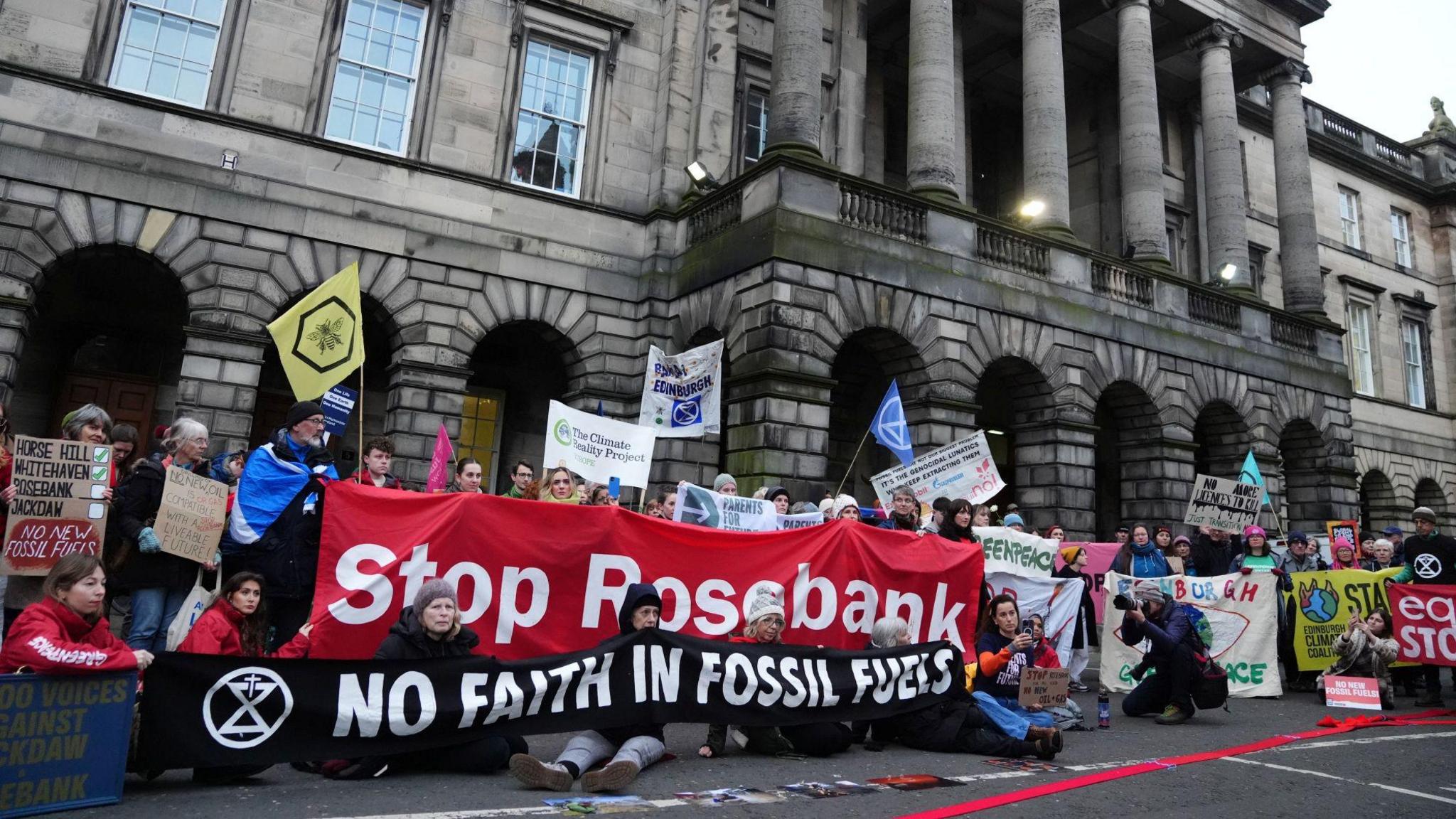
Despite both sites already having significant production facilities either in place or under advanced development, a lengthy and meticulous process is still underway by the Offshore Petroleum Regulator for Environment and Decommissioning (Opred). This regulatory body is responsible for ensuring that environmental considerations are thoroughly addressed. The applications for Rosebank and Jackdaw are currently in their final stages of consultation, with public and stakeholder input closing in August. Jumping the gun on these ongoing consultations and regulatory procedures would almost certainly land the new Labour government back in court, inviting further legal battles and accusations of procedural impropriety, a political misstep Burnham would be keen to avoid so early in his premiership. The protests against Rosebank, which saw activists gather at the Court of Session in Edinburgh, underscore the intensity of public and environmental opposition to these projects.
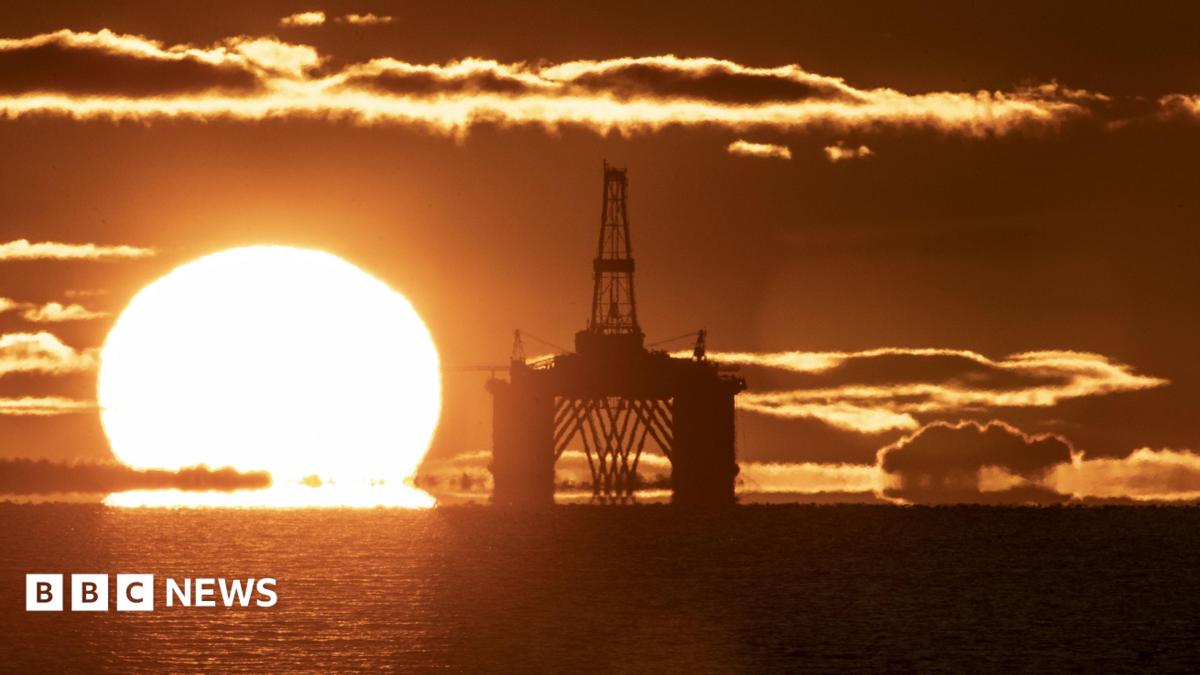
While the Rosebank and Jackdaw decisions represent the most immediate and arguably the most politically charged items in Andy Burnham’s energy in-tray, they are far from the only matters he will need to address. His government faces a broader spectrum of challenges and opportunities within the North Sea’s evolving landscape.
The next biggest area of contention relates to oil and gas exploration licenses. These licenses grant operators the exclusive right to explore for hydrocarbon deposits within a designated area of the seabed, commonly referred to as a "block." Labour’s 2024 election manifesto explicitly pledged to ban new exploration licenses, a commitment that Energy Secretary Ed Miliband, soon after Labour came to power, moved swiftly to implement. This policy was a cornerstone of Labour’s environmental platform, aiming to accelerate the transition away from fossil fuels.
However, the government has already agreed to a significant concession that tests the boundaries of this manifesto commitment. This concession involves allowing "tie-backs" – the production of oil and gas from unlicensed areas that are physically close to, and can be connected to, existing infrastructure in already licensed areas. This approach allows for the extraction of known reserves without issuing entirely new exploration licenses. While it technically adheres to the letter of the manifesto pledge by not granting new exploration rights in previously untouched areas, it nonetheless permits the extraction of additional fossil fuels. Anything further, such as a reversal of the ban on full new exploration licenses, would undoubtedly constitute a direct breach of their electoral promise and invite significant backlash from environmental allies and the public.
It’s also worth noting that there isn’t a strong, widespread desire within the oil and gas industry for a wholesale return to issuing full, speculative licenses to explore totally unknown areas of the seabed. Such ventures require enormous amounts of capital investment, are inherently high-risk, and often yield uncertain returns. Over recent decades, the traditional oil supermajors – giants like BP, Shell, and TotalEnergies – have been progressively divesting their North Sea assets, selling them off to smaller, more agile operators whose financial pockets are generally not as deep. These smaller companies are typically less focused on high-risk exploration and more on maximizing the extraction from known, existing fields, often by utilizing existing infrastructure through methods like tie-backs. Their mission is not to explore new frontiers but to efficiently extract what’s left in known, albeit mature, fields. This industry shift means that even if Burnham were to theoretically open the door to new exploration, the appetite for it might not be as robust as some might assume.
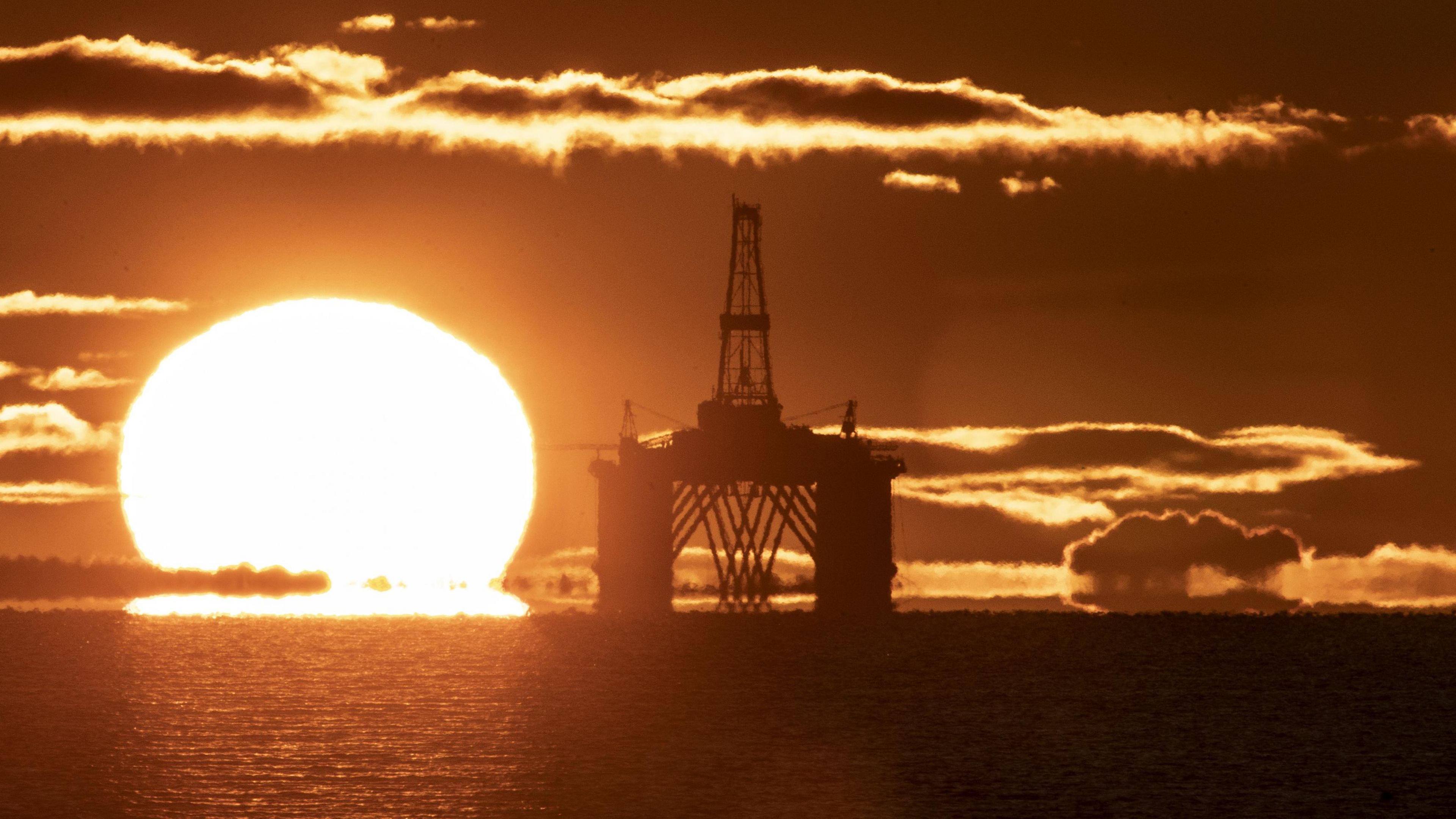
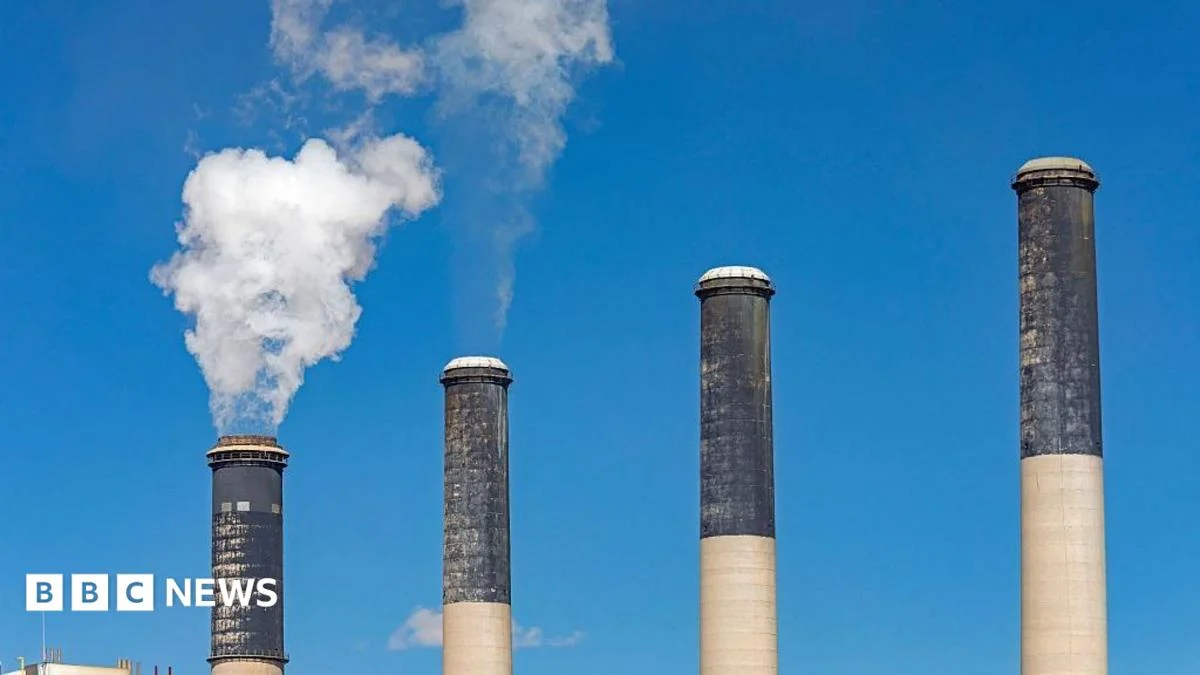
Perhaps the most impactful, yet least politically dramatic, option for Burnham lies in reviewing the Energy Profits Levy (EPL), often dubbed the "windfall tax." This tax was introduced by the previous government when global energy prices spiked dramatically following Russia’s full-scale invasion of Ukraine in 2022. Designed to capture a portion of the "excess" profits made by oil and gas companies during a period of unprecedented price volatility, the EPL currently imposes a headline rate of 78% on North Sea profits. Crucially, this rate applies regardless of whether oil and gas prices are high or low, which has been a major point of contention for the industry.
The industry has vociferously argued that this punitive tax rate makes the UK North Sea one of the least attractive basins in the world for investment. There is indeed strong evidence to suggest that investment in new projects and maintenance has significantly dried up in recent years, with companies either delaying projects, diverting capital elsewhere, or even considering premature decommissioning. This has a direct impact on the long-term viability of the North Sea as an energy producer and, critically, on the tens of thousands of jobs it supports, particularly in regions like northeast Scotland.
The EPL is currently due to be replaced in 2030 by a different form of windfall tax, one that operators generally find more palatable because it is designed to be triggered only when prices are high, and then falls back when prices decline. This price-linked mechanism offers greater predictability and stability for investment planning. While politicians have been embroiled in furious arguments over the likes of Jackdaw, Rosebank, and the issuance of new exploration licenses, it is the EPL that the industry would most urgently like the new prime minister to address. A modification or scrapping of the EPL would provide an immediate, tangible boost to investor confidence and potentially unlock significant capital for existing and tie-back projects.
Crucially, addressing the EPL is also the one policy lever that is likely to face the least opposition from environmental groups. Their primary concern is the approval of new projects that add to overall carbon emissions, not the tax regime applied to existing operations. Therefore, a move to amend the EPL could be a politically astute maneuver, allowing Burnham to appear pro-business and pro-jobs without directly contradicting his environmental pledges regarding new drilling.
Such a decision would align well with one of Andy Burnham’s stated missions: that of reindustrialisation. By encouraging investment in the North Sea, even in its mature phase, his government could help to secure existing jobs, stimulate new opportunities in carbon capture and storage (CCS) and hydrogen projects (which often leverage existing oil and gas infrastructure and expertise), and ensure a more managed transition for the highly skilled workforce. This approach would focus on safeguarding the UK’s energy security during the transition period while simultaneously fostering the growth of green industries.
However, for a new government keen to make a splash, amending a tax rate is arguably the least "politically sexy" option. It doesn’t generate headlines in the same way as approving or rejecting a major new field. So, what Andy Burnham chooses to do regarding the EPL, alongside his handling of Rosebank and Jackdaw and the nuanced stance on exploration licenses, will help define whether his new premiership is about grabbing immediate headlines, or about making genuine, albeit less dramatic, strategic moves to stimulate the economy, manage the energy transition, and secure the UK’s long-term energy future. His early decisions will be meticulously scrutinized, not just for their immediate impact, but for the wider signal they send about the direction of his government and its commitment to navigating the complex interplay of economic necessity, energy security, and environmental responsibility. The North Sea, therefore, represents one of the earliest and most profound tests of his leadership.



 George Anjay
 Nakalama John
 atisusanti
 Ramos Leo
 Roy Suryo