
 Nana Banana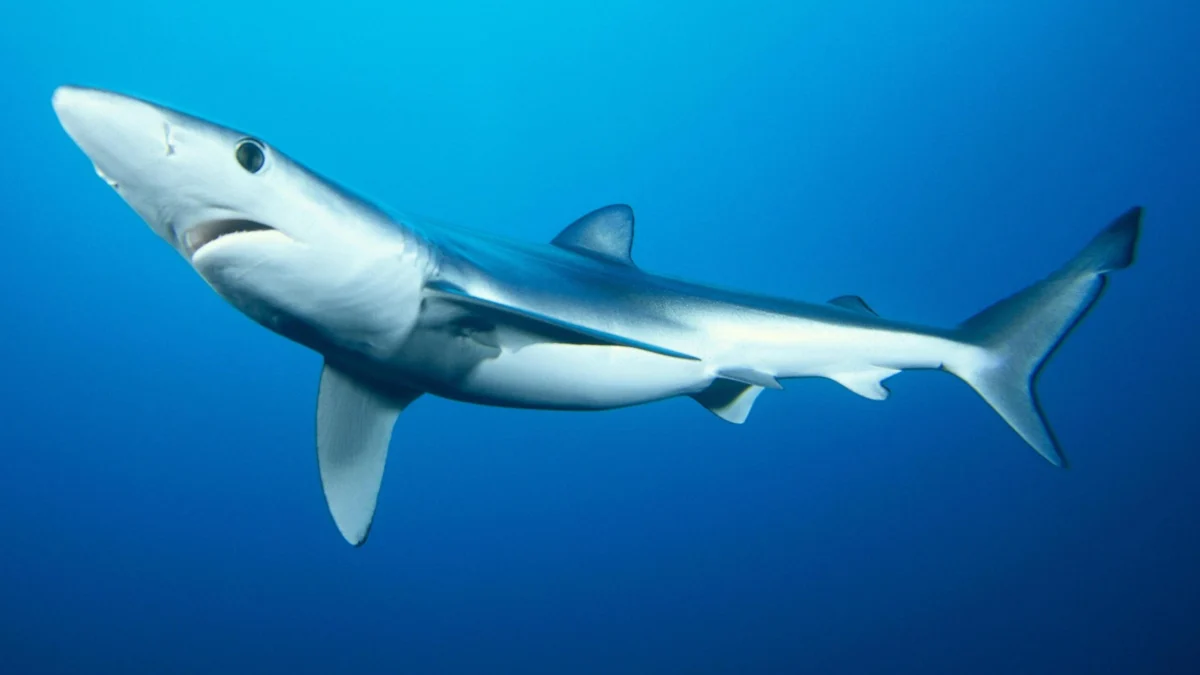
A landmark initiative to safeguard three of the UK’s most enigmatic and vulnerable shark species has received a substantial financial boost, with scientists being awarded nearly £1 million from Natural England’s Species Recovery Programme. This significant funding underscores a renewed commitment to understanding and preserving marine biodiversity, focusing specifically on the blue shark, porbeagle, and tope – all of which face increasing threats in their native waters. The ambitious project aims to unravel the mysteries of these magnificent predators, charting their movements, identifying critical breeding grounds, and ultimately informing robust conservation strategies for their long-term survival.
The funding will primarily fuel a comprehensive research effort employing cutting-edge electronic tagging technology. A total of 75 tags will be deployed, each acting as a miniature marine detective, meticulously recording the sharks’ migratory routes, preferred habitats, and even their physiological responses to encounters with anglers. These tags, which can include satellite, acoustic, or pop-up archival tags, provide invaluable data on depth, temperature, and precise geographical locations over extended periods. By tracking these individual sharks, scientists hope to build an unprecedented picture of their life cycles, identifying crucial corridors for migration, foraging hotspots, and the elusive locations where new generations are brought into the world. This granular data is vital for understanding population dynamics and pinpointing areas that require enhanced protection.
Beyond the technological frontier, the project champions a collaborative approach, recognizing the invaluable, generations-deep knowledge held by the angling community. Scientists will actively engage with anglers across key coastal hubs, including Looe, Falmouth, and Brightlingsea, all strategically located in the South West of England – a region known for its rich marine life and active fishing community. These collaborations are not merely observational; they are designed to integrate decades of practical experience into scientific research. Anglers often possess unique insights into local shark populations, historical catch rates, and specific behaviors observed over countless hours on the water. By meticulously reviewing catch records and conducting structured interviews, the research team aims to compile "the most complete picture yet" of shark distribution and abundance in English waters. This citizen science component is critical, as it bridges the gap between scientific investigation and community engagement, fostering a shared sense of stewardship for these vulnerable species.
The three target species – the blue shark, porbeagle, and tope – each present unique conservation challenges and ecological significance.
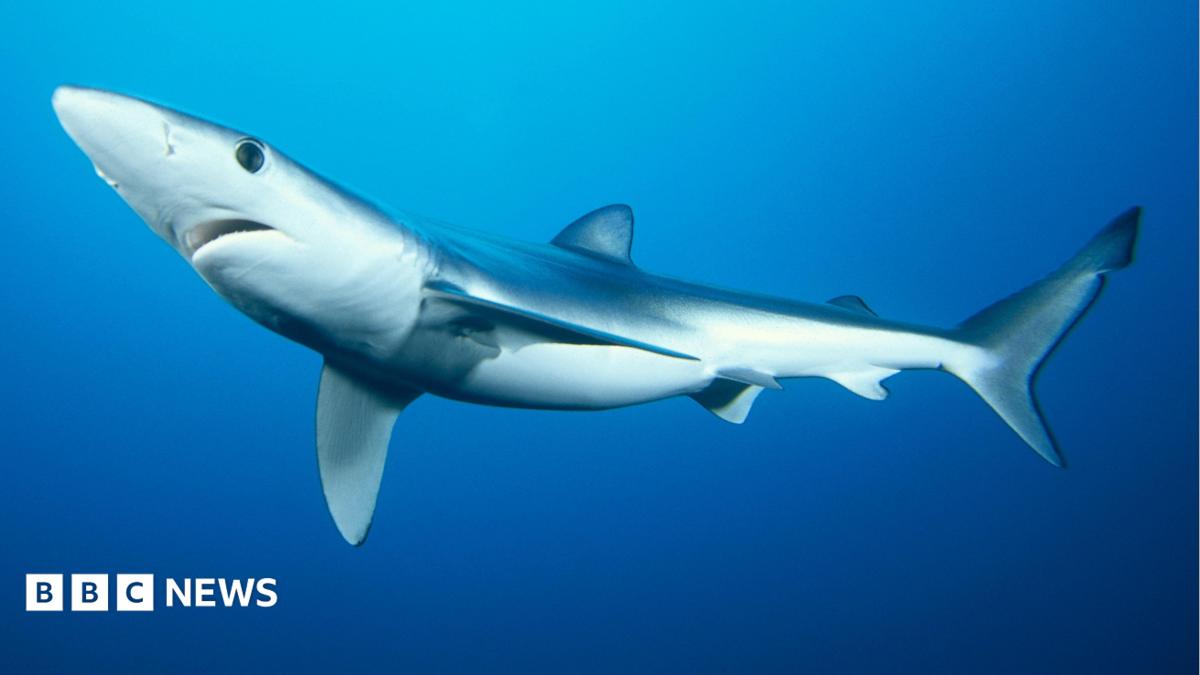
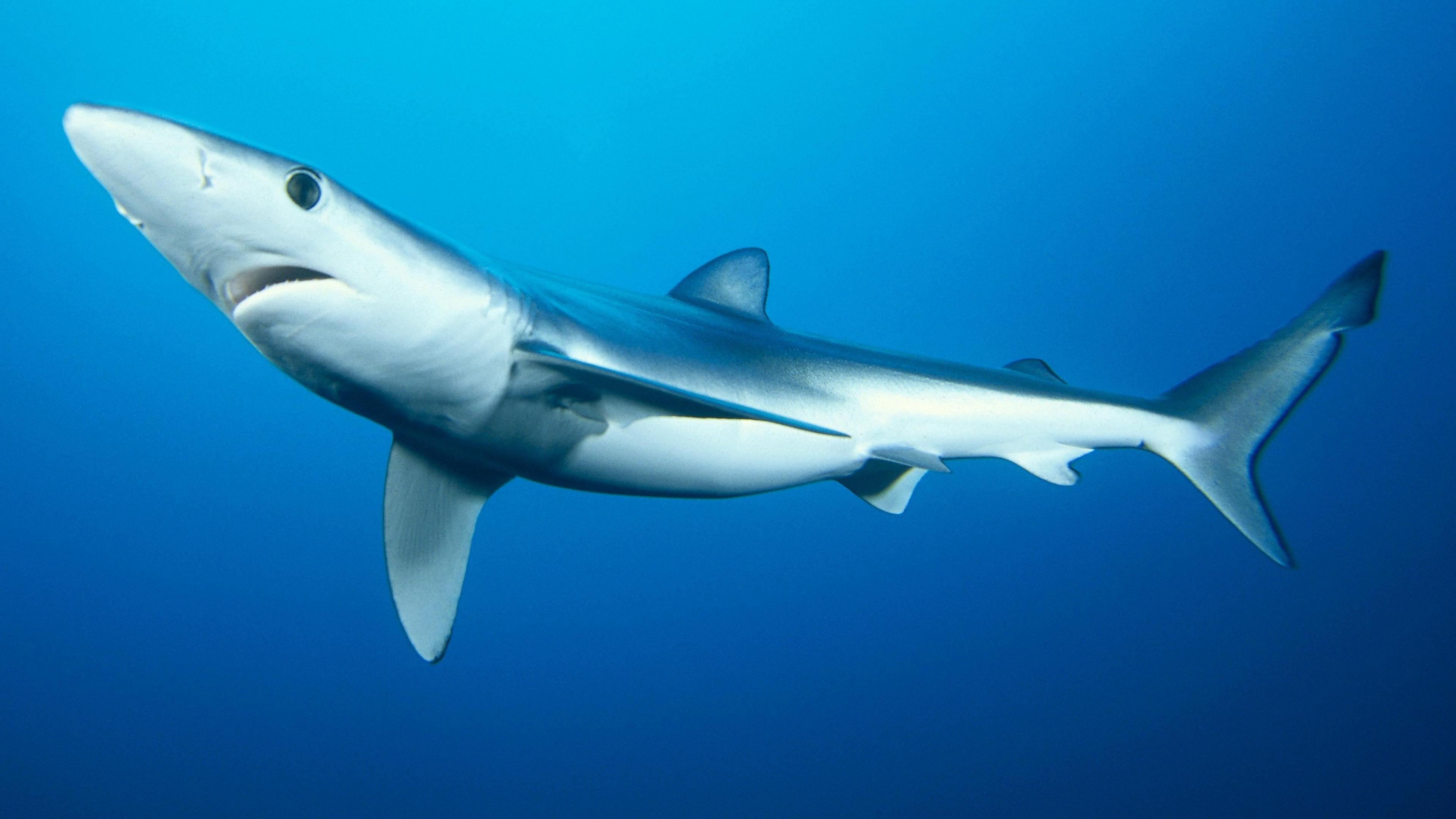
The blue shark (Prionace glauca) is an oceanic pelagic species, recognizable by its slender body and striking indigo-blue colouration. Found globally in temperate and tropical waters, blue sharks are highly migratory, often undertaking vast journeys across oceans. While relatively common, their populations have faced significant pressure from commercial fishing, largely due to bycatch in tuna and swordfish fisheries. Understanding their exact migratory corridors and nursery areas within English waters is paramount for their protection.
The porbeagle shark (Lamna nasus), a close relative of the great white, is a powerful, warm-blooded predator found in cooler temperate waters of the North Atlantic and Southern Hemisphere. Known for its robust build and pointed snout, porbeagles are highly valued in some fisheries, leading to historical overexploitation. They are listed as endangered in many regions, including the Northeast Atlantic. Their breeding biology is particularly fascinating, as they are ovoviviparous, giving birth to live young after a long gestation period. Locating their specific pupping grounds in English waters is a critical objective of this research.
The tope shark (Galeorhinus galeus), also known as the school shark, is a coastal and offshore species found in temperate waters worldwide. These sharks are typically smaller than blue or porbeagles, characterized by their grey-brown backs and white bellies. Topees are viviparous, giving birth to live, fully formed pups. They are also highly migratory and susceptible to commercial fishing pressures, particularly in areas where they aggregate for breeding. Like the porbeagle, accurate identification of their nursery areas is vital for protecting the next generation.
A crucial aspect of the research will involve using ultrasound scanning techniques to identify pregnant sharks. This non-invasive method will allow scientists to confirm reproductive status and, crucially, to locate potential pupping and nursery grounds. These areas are ecological goldmines, representing safe havens where young sharks can grow and develop away from larger predators and intense fishing pressure. Protecting these vital nursery habitats is a cornerstone of effective shark conservation, ensuring the recruitment of new individuals into the population and contributing to species recovery.
In addition to advanced technology, the project emphasizes the importance of traditional knowledge. Workshops and structured interviews will be conducted with at least 45 experienced anglers. These sessions are designed to "pick their brains" about the local ecology, historical changes in shark populations, and the sizes of sharks caught in the past. This qualitative data, when combined with quantitative tagging data, offers a holistic view of shark presence and behavior over time. The findings from this comprehensive research will serve multiple critical purposes. Firstly, they will be used to update England’s Red List assessments, providing an accurate and current status of these shark species. The Red List, compiled by the International Union for Conservation of Nature (IUCN), is the world’s most comprehensive inventory of the global conservation status of biological species. Accurate assessments are fundamental for prioritizing conservation efforts and allocating resources effectively.
Secondly, the research will inform updated guidance for anglers, specifically aimed at improving the survival rates of sharks released after capture. Catch-and-release fishing, while intended to be sustainable, can still cause stress and injury to fish. By understanding how sharks respond to capture and release, and by developing best practice guidelines – such as optimal handling techniques, de-hooking methods, and reducing fight times – the project aims to minimize post-release mortality, transforming recreational fishing into a more conservation-friendly activity.
Dr. Matthew Witt, a leading marine scientist from the University of Exeter, articulated the profound significance of this undertaking. "Coastal and open ocean sharks are among the most threatened groups of animals, yet they hold huge ecological, cultural and economic value," he stated. Dr. Witt highlighted the project’s innovative blend of knowledge: "By combining generations of angler knowledge with state-of-the-art animal tracking technology, we’re building the evidence needed to secure a future for these remarkable species." This synergy between traditional wisdom and modern science is a powerful model for conservation, leveraging all available resources to address complex environmental challenges.
The collaborative spirit extends to the project’s partners, which include the Angling Trust, a representative body for anglers, the Marine Biological Association (MBA), a world-renowned marine research institution, and the Pat Smith Database, a crucial repository of historical angling data. Dr. Bryce Stewart, a senior research fellow at the MBA, underscored the existing knowledge gaps that this project aims to fill. "Important and vulnerable shark species live in English waters, yet significant knowledge gaps remain regarding their distribution and abundance," he explained. Dr. Stewart expressed optimism about the project’s outcomes, stating that the data collected will "help us to identify the actions needed to secure their future."
Beyond the immediate scientific findings, this project carries broader implications for marine conservation. Sharks, as apex predators, play a critical role in maintaining the health and balance of marine ecosystems. Their decline can trigger cascading effects throughout the food web, impacting everything from fish populations to coral reef health. Historically, sharks have been misunderstood and often feared, but increasingly, their vital ecological role is being recognized, shifting public perception towards one of appreciation and concern for their survival.
Globally, shark populations face myriad threats, including overfishing (both targeted and incidental bycatch), habitat degradation, and the impacts of climate change on ocean temperatures and prey availability. Projects like this, focused on specific, vulnerable species within defined geographical areas, are essential building blocks for broader international conservation efforts. By providing robust scientific data on these English shark populations, the project will not only inform local and national policy but also contribute to the global understanding of shark ecology and conservation needs. The ultimate goal is to translate this newfound knowledge into effective management strategies, potentially leading to the establishment of new marine protected areas, adjustments to fishing quotas, and the implementation of more sustainable fishing practices that ensure the continued presence of these magnificent creatures in our oceans for generations to come.



 George Anjay
 Nakalama John
 atisusanti
 Ramos Leo
 Roy Suryo