
 Nana Banana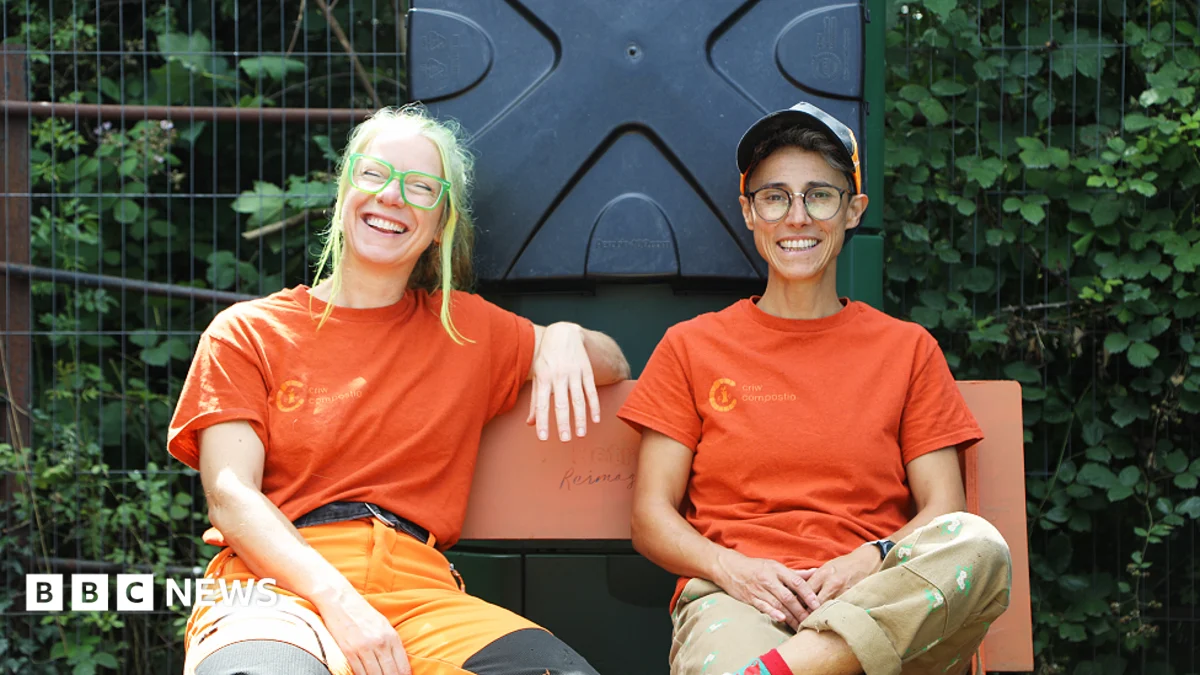
The journey of this collected organic material is remarkably short, a testament to Criw Compostio’s localized model. It is transported to a specialized processing site nestled in Machynlleth, minimizing the environmental impact associated with long-distance hauling. "We’re travelling a very short distance," notes Steph, one of the driving forces behind the operation, highlighting the efficiency and low carbon footprint inherent in their logistics. At this site, the true magic of transformation begins, facilitated by advanced composting technology. The facility houses what Steph describes as "hot, rat-proof hyper composters," an innovative solution designed to accelerate the decomposition process while ensuring hygiene and pest control. These aren’t just ordinary compost heaps; they are sophisticated, sealed units engineered to maintain optimal conditions for microbial activity. The "hot" aspect refers to thermophilic composting, where temperatures are carefully regulated, often reaching between 55-65°C. These elevated temperatures are crucial for rapidly breaking down organic matter, destroying pathogens, and eliminating weed seeds, creating a sterile and nutrient-rich end product. The "rat-proof" design, a critical feature for any food waste processing facility, ensures that the composting environment remains sealed and unattractive to rodents and other pests, safeguarding public health and maintaining the integrity of the composting process. This advanced methodology allows the material to be swiftly converted into "something that’s very unattractive to pests and such very quickly," a vital step in preventing nuisance and promoting efficient waste management.
While the initial breakdown within the hyper composters is rapid, the complete maturation process, transforming raw organic matter into stable, nutrient-rich compost, takes approximately a year. This extended curing period is essential for the compost to fully stabilize, allowing beneficial microorganisms to continue their work, resulting in a product that is not only safe but also highly effective for plant growth. The quality of this meticulously crafted compost has not gone unnoticed; Steph proudly shares that it recently garnered an award for its exceptional quality. This accolade is a significant validation of Criw Compostio’s commitment to excellence, likely recognizing its rich nutrient profile, excellent soil-improving properties, and the absence of harmful contaminants. Such recognition elevates the status of their reclaimed product, assuring local growers of its superior efficacy and sustainable origins.
The culmination of this year-long process is not merely the creation of high-quality compost but the completion of a vibrant, self-sustaining "resources loop" that defines Criw Compostio’s philosophy. "Local growers then take that compost, grow food that goes back to the cafes, cafes serve it, waste comes back to us and we turn it back into compost," Steph explains, outlining the elegant simplicity and profound impact of their model. This closed-loop system embodies the principles of a true circular economy, where resources are continuously reused and regenerated, minimizing waste and maximizing value. The compost, brimming with life-giving nutrients, nourishes the soil for local farms and allotments, enabling them to produce fresh, healthy food. This produce, in turn, supplies local cafes and restaurants, completing a direct cycle from soil to plate. Crucially, the food waste generated by these very establishments then returns to Criw Compostio, restarting the cycle. This hyper-local approach means that resources are not exported or imported over long distances. "The frame that we work within means it has to stay local, so we don’t sell it on eBay or Amazon or whatever. It stays within that resources loop," Steph emphasizes. This deliberate commitment to locality significantly reduces transportation emissions, supports the local economy, and fosters a strong sense of community self-reliance and environmental stewardship. It’s a model that prioritizes ecological integrity and community benefit over broader commercial aspirations, ensuring that the benefits of their work remain rooted within Machynlleth and its surrounding areas.
In the broader context of waste management in Wales, it’s important to note that household food waste collections are mandatory in every Welsh county, with Powys council responsible for these services in their area. This regulatory framework ensures that a significant portion of domestic food waste is diverted from landfills. However, Criw Compostio carves out a distinct and complementary niche, focusing primarily on businesses and offering valuable educational outreach. They run insightful sessions for households eager to enhance their own home composting efforts or to improve composting practices at local allotments. These workshops empower individuals with the knowledge and skills to manage their organic waste responsibly, fostering a culture of sustainability at the grassroots level. By bridging the gap between mandatory council collections and individual desire for more hands-on composting, Criw Compostio strengthens the overall waste management ecosystem.
The majority of Criw Compostio’s award-winning compost users are individuals and enterprises dedicated to growing food for commercial purposes within the local community. This produce finds its way to the vibrant Machynlleth markets, where it is sold directly to consumers, supporting local farmers and providing fresh, seasonal fare. It is also supplied to the local whole food shop, reinforcing ethical sourcing and sustainable supply chains. Furthermore, growers sell directly to local restaurants, creating a direct farm-to-table connection that benefits both producers and consumers, ensuring ingredients are fresh, traceable, and environmentally sound. This network of local growers and businesses forms the backbone of Machynlleth’s burgeoning local food economy, strengthened by Criw Compostio’s nutrient-rich soil amendment.
The current economic climate, particularly the cost of living crisis, has had a profound impact on local interest in growing food, as Steph points out. Faced with rising food prices and a desire for greater self-sufficiency, an increasing number of individuals are turning to gardening and allotment cultivation. This surge in interest has made allotments "hot property here," with demand often outstripping availability. People are rediscovering the myriad benefits of growing their own food, from significant cost savings and improved food security to the immense satisfaction and mental well-being derived from connecting with nature and nurturing life. This trend aligns perfectly with Criw Compostio’s mission, as their compost provides an essential input for these aspiring growers, enabling them to maximize productivity and achieve their self-sufficiency goals.
ffin, another voice from the community, articulates a profound truth about this movement, remarking on "how much productivity can come from a small garden." This observation encapsulates the potential for urban and small-scale agriculture to yield substantial harvests, challenging conventional notions of food production. Even a modest plot, when cultivated with care and enriched with quality compost, can provide a significant portion of a household’s food needs, or contribute substantially to local markets. This realization empowers individuals and communities, fostering resilience and demonstrating that food production is not solely the domain of large-scale industrial farms. Small gardens, balconies, and community allotments become vital hubs of productivity, contributing to local food sovereignty and environmental health.
In essence, Criw Compostio stands as a beacon of sustainable innovation, demonstrating a powerful model for reclaiming waste and fostering a vibrant circular economy. Their diligent collection, advanced processing, and unwavering commitment to local loops illustrate how waste can be reimagined as a valuable resource. By transforming discarded food scraps, wood shavings, and pet bedding into award-winning compost, they are not just managing waste; they are actively regenerating soil, supporting local growers, strengthening community food systems, and inspiring a more sustainable future. Their work in Machynlleth offers a tangible, replicable blueprint for communities seeking to close their resource loops, enhance local resilience, and make a meaningful impact on environmental sustainability, proving that our rubbish can indeed be reclaimed for the benefit of all.



 George Anjay
 Nakalama John
 atisusanti
 Ramos Leo
 Roy Suryo