Nana Banana
Professor Fox’s assessment underscores the critical role that climatic conditions play in the life cycles of butterflies. As cold-blooded creatures, butterflies are inherently reliant on external heat sources, primarily the sun, to regulate their body temperature. The prolonged warmth of the spring has allowed them to emerge earlier, become more active, and engage in vital activities such as finding mates and laying eggs with greater efficiency. This accelerated development and heightened activity directly contribute to a larger, more robust population entering the summer months.
Butterfly Conservation, a leading UK charity dedicated to saving butterflies, moths, and their habitats, has been at the forefront of monitoring these insect populations for decades. Their work, which includes extensive scientific research and public engagement initiatives, provides invaluable insights into the health of Britain’s ecosystems. Professor Fox, with his deep expertise in lepidoptera, is a key figure in interpreting these trends and communicating their significance to the public. The charity’s efforts are particularly crucial given the worrying decline in insect populations observed globally, making any positive forecast for butterflies a welcome, albeit cautious, ray of hope.
A cornerstone of Butterfly Conservation’s public engagement is the annual Big Butterfly Count, an initiative that Professor Fox earnestly hopes will see thousands of people participate this year. This citizen science project, which typically runs for three weeks in the summer, encourages individuals to spend 15 minutes observing and recording the number and species of butterflies and day-flying moths they see in any given location – be it a garden, park, or countryside path. "You might just see a handful of butterflies in that time in your garden," Fox noted, "If you come into a big flower-rich place, then you might see dozens or even hundreds." The data collected by these citizen scientists is vital, providing a nationwide snapshot of butterfly populations that helps researchers understand how different species are faring and identify areas most in need of conservation efforts.
The Big Butterfly Count has grown significantly since its inception, becoming one of the largest surveys of its kind in the world. Its success lies in its simplicity and accessibility, allowing anyone, regardless of their entomological expertise, to contribute to scientific research. Participants can easily identify common species using free resources provided by Butterfly Conservation, including identification charts and a user-friendly app. The cumulative data allows scientists to track long-term trends, assess the impact of environmental changes, and guide targeted conservation actions. A high participation rate this year would not only provide a rich dataset for this potentially "bumper" season but also foster a deeper connection between the public and the natural world.
The contrast with the previous year, 2023, is stark. Professor Fox described 2023 as a "bad year" for butterflies, indicating that many species struggled. While not "amazing," their numbers did bounce back to some extent last year, setting a slightly better foundation for the current season. The consistent warm and dry weather this spring has allowed butterflies to thrive in a way they couldn’t during less favourable periods. This is particularly important for their reproductive success. The ability of female butterflies to lay eggs unhindered by cold or wet conditions is paramount for generating the next generation. The warmth facilitates their search for suitable host plants for their larvae, ensuring that the cycle of life continues robustly.
However, the promising outlook for adult butterflies comes with a nuanced caveat. While the hot and dry weather is undeniably beneficial for the adult stages of the butterfly life cycle, enabling them to mate and lay eggs effectively, Professor Fox expressed a degree of concern regarding the subsequent larval stage. The paradox lies in the potential impact on caterpillars, the next generation of these fascinating creatures. Prolonged dry conditions can lead to wilting and premature dying of grasses and other plants, which serve as crucial food sources for caterpillars. "We don’t know yet what the summer holds for our butterflies, that’s why we need people to go out and take part in the count," he cautioned.
This concern highlights the intricate and often delicate balance within ecosystems. A butterfly’s life cycle is a complex journey from egg to larva (caterpillar), pupa (chrysalis), and finally, the winged adult. Each stage has specific environmental requirements. While warmth helps adults, the availability and health of host plants are critical for caterpillars to grow and develop. If the drought persists or intensifies through the summer, it could severely impact the survival rates of the caterpillars, potentially negating some of the benefits seen during the spring’s adult boom. This underscores the need for continuous monitoring and a holistic understanding of how environmental factors affect all stages of a butterfly’s life.
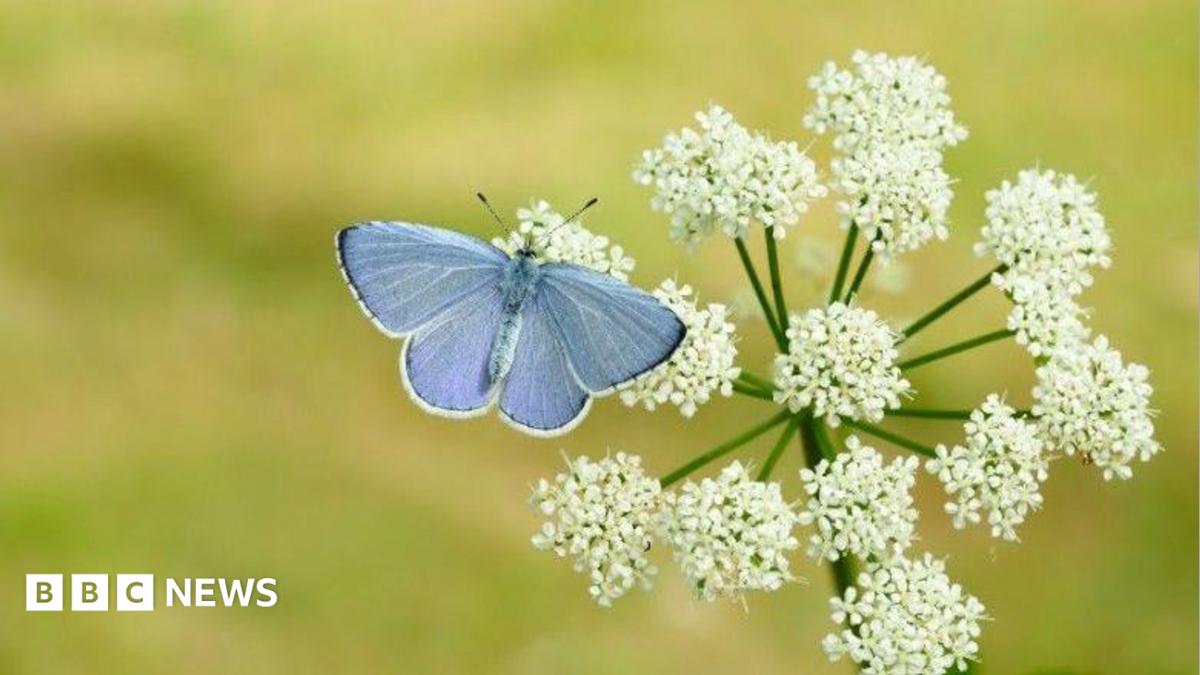
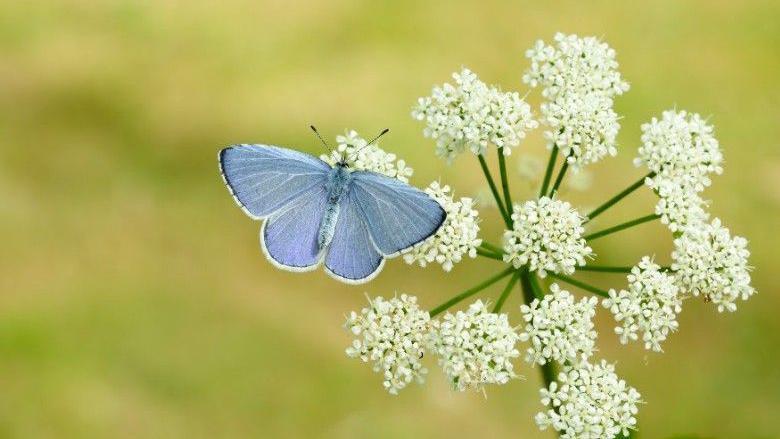
Despite these potential challenges, there are strong indicators for a successful summer for certain species. "What we do know is some of the species that people will see like the Holly Blue and Red Admiral, they had a really good spring, so that bodes well for a bumper summer," Professor Fox confirmed. The Holly Blue (Celastrina argiolus) is a charming, small butterfly often seen fluttering high around holly and ivy plants, distinguished by its vibrant blue upper wings. Its early emergence in spring makes it particularly susceptible to early warm weather. The Red Admiral (Vanessa atalanta) is a larger, more migratory species, known for its striking black wings with red bands and white spots. Both species are relatively common garden visitors, making them excellent candidates for public observation during the Big Butterfly Count.
Other common species that might contribute to this anticipated boom include the Small Tortoiseshell, Peacock, Large White, and Gatekeeper. The Small Tortoiseshell, with its distinctive orange, black, and yellow markings, and the Peacock, famous for its eye-spot patterns, are familiar sights in gardens and open spaces. The Large White, often seen flitting around cabbage patches, is one of Britain’s most widespread butterflies. The Gatekeeper, a brown and orange butterfly with small eye-spots, is a characteristic sight along hedgerows and field margins in mid-summer. The success of these species is a good indicator of overall environmental health and the availability of diverse habitats.
The potential for a "bumper summer" is a welcome development amidst broader concerns about insect decline. Butterflies are not just beautiful; they are vital pollinators and key indicators of environmental health. Their decline reflects wider issues like habitat loss, climate change, and pesticide use. Therefore, a season of thriving butterfly populations, even if potentially temporary, offers a moment of respite and an opportunity to appreciate the natural world. It also serves as a reminder of the delicate balance of ecosystems and the importance of conservation efforts.
Individuals can play a significant role in supporting butterfly populations beyond participating in the Big Butterfly Count. Creating butterfly-friendly gardens by planting nectar-rich flowers (such as Buddleia, Lavender, Verbena bonariensis, and Sedum) provides essential food sources for adults. Allowing a patch of nettles or other native plants to grow can provide crucial host plants for caterpillars. Avoiding pesticides and herbicides helps protect these delicate insects and their food sources. Even small actions, when aggregated across many gardens and public spaces, can create vital networks for butterflies to thrive.
As the summer unfolds, the scientific community and nature enthusiasts alike will be watching with keen interest. The Big Butterfly Count will provide crucial data to confirm the extent of this anticipated boom and to better understand the long-term implications of current weather patterns. While the initial signs are overwhelmingly positive, the long-term resilience of Britain’s butterfly populations will depend on continued favorable conditions, robust conservation strategies, and the ongoing engagement of the public in their protection. The hope is that this "bumper summer" will not just be a fleeting spectacle but a catalyst for renewed appreciation and dedication to safeguarding these enchanting creatures for generations to come.



 Roy Suryo

 George Anjay
 Nakalama John
 Ramos Leo