
 Nana Banana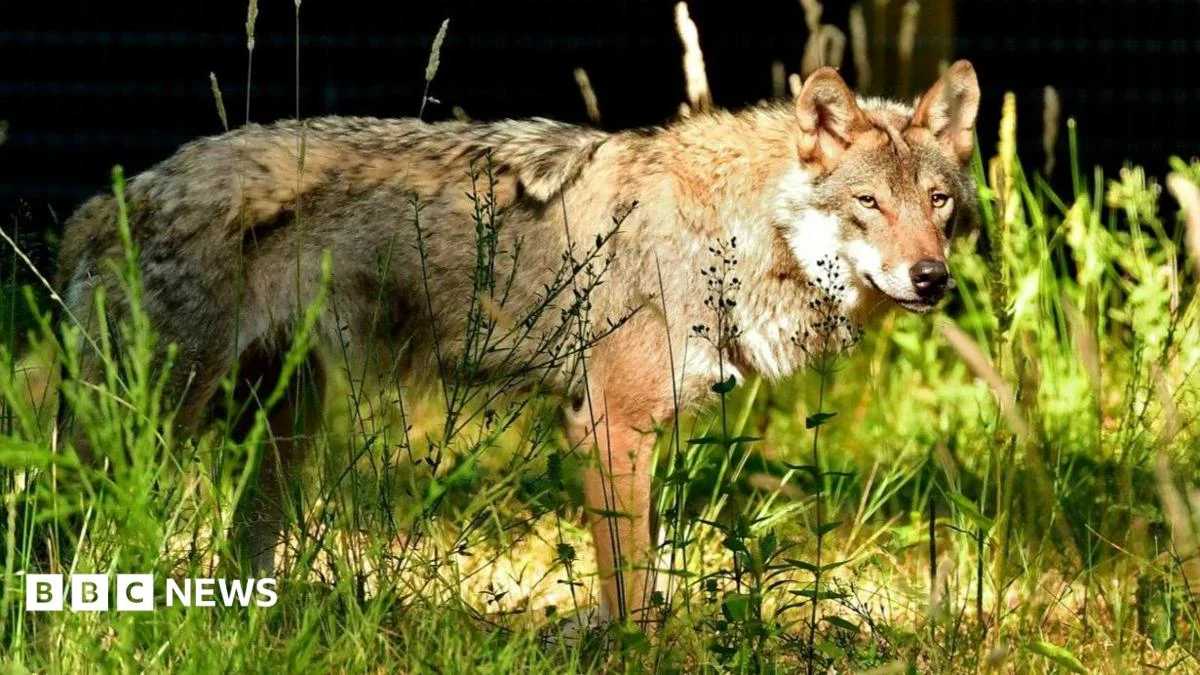
The complex logistics of transporting these magnificent predators across borders involved close collaboration between European animal welfare organizations and specialized transport agencies. The wolves travelled in custom-designed, climate-controlled enclosures, with veterinary staff accompanying them every step of the way to monitor their stress levels and ensure their comfort. Upon their arrival at the New Forest Wildlife Haven, the wolves were immediately introduced to their newly refurbished, expansive enclosure, which boasts diverse terrain, dense natural cover, and elevated vantage points, designed to mirror the varied landscapes of their wild counterparts. This thoughtful design allows them ample space to roam, hunt (for their food, which is provided), and engage in their natural social behaviours, while also offering visitors unparalleled opportunities for observation and appreciation from discreet viewing areas.
Jason Palmer, curator of collections at the park, eloquently described the meticulous process involved in welcoming the wolves back to Hampshire. He emphasized that the undertaking spanned many months of intensive planning, requiring extensive consultation and cooperation with the European Association of Zoos and Aquaria’s (EAZA) Species Coordinator for Grey Wolves. EAZA plays a vital role in managing the genetic health and demographic stability of captive animal populations across Europe, ensuring that breeding programmes contribute to the long-term survival of species, often serving as a critical safeguard against extinction. The selection of Ragnar, Freya, and Loki was not arbitrary; it was a carefully considered decision based on their genetic suitability, age, and temperament, all assessed to ensure they would form a robust and healthy pack capable of thriving in their new environment.
Palmer elaborated on the profound challenges inherent in caring for wolves within a sanctuary setting. "Wolves are a highly complex social species, and they are one of the most challenging species to keep well in captivity," he stated. This complexity stems from their intricate social hierarchies, their innate need for vast territories, their sophisticated communication methods, and their deeply ingrained predatory instincts. Providing an environment that adequately stimulates their minds and bodies, while also facilitating their natural social dynamics, requires not only extensive resources but also a profound understanding of their ethology. The park’s team underwent specialized training in wolf behaviour, enrichment techniques, and advanced veterinary care protocols to ensure they were fully prepared to meet the unique demands of these intelligent and powerful animals. The commitment extends beyond mere physical care, encompassing psychological well-being and the fostering of a stable pack structure.
The return of the wolves also brings a poignant remembrance of the park’s previous pack, whose presence had enriched the lives of countless visitors for over a decade. The original grey wolves, Cedar, Idaho, and Rocky, arrived together in 2010 from a facility in Eastern Europe, quickly becoming iconic figures at the park. They were soon joined by Chaser and Aspen, forming a dynamic five-member pack that captivated audiences with their synchronized howls and intricate social interactions. For many years, they represented the wild spirit of their species, serving as powerful ambassadors for wolf conservation. Each wolf had a distinct personality: Cedar, the matriarch, was often seen guiding the pack; Idaho, a strong male, was known for his watchful demeanour; and Rocky, the most playful, frequently initiated games with his siblings. Their lives at the park were a testament to the dedication of the animal care team, who provided them with an exceptional quality of life.
However, as is the natural course of life, the previous pack began to face the inevitable challenges of old age. Beginning around 2018, Cedar, Idaho, and Rocky, all siblings from the original cohort, started to exhibit a number of age-related health issues. These included debilitating arthritis, which affected their mobility, dental problems that required specialized care, and declining organ function, common ailments in senior canids. The park’s veterinary team provided extensive palliative care, utilizing advanced treatments and pain management strategies to ensure their comfort and maintain their quality of life for as long as possible. The difficult decisions surrounding their eventual euthanasia were made with the utmost compassion, prioritizing the animals’ welfare above all else. Their passing left a profound void, not only among the staff who had cared for them for so long but also within the remaining pack members, Chaser and Aspen.
The loss of their pack mates had a palpable impact on Chaser and Aspen. Wolves are inherently social animals who thrive on companionship and working within a pack structure. The absence of Cedar, Idaho, and Rocky led to a noticeable shift in the remaining duo’s behaviour; while they remained bonded, the pack’s dynamic had irrevocably changed. When Chaser, the elder of the two remaining wolves, eventually experienced a significant downturn in her health, exhibiting symptoms of advanced neurological decline and severe discomfort, the team at the park faced another heartbreaking decision. They feared the profound emotional and psychological impact her potential passing would have on Aspen, who by then was deeply dependent on Chaser for companionship, security, and the continuation of their pack bond. A lone wolf in the wild faces immense challenges, and while Aspen was in a safe environment, the emotional void would have been significant.
The decision was ultimately made to humanely euthanize Chaser to prevent prolonged suffering, a choice made with immense sadness but unwavering dedication to her welfare. The subsequent period saw the wolf enclosure lie empty for two years, a somber testament to the lives lived there and a respectful pause before a new beginning. During this time, the park embarked on an ambitious renovation of the enclosure, upgrading its facilities, enhancing the naturalistic elements, and incorporating new enrichment features to provide an even more stimulating environment for the future inhabitants. This hiatus also allowed the park staff to mourn the loss of their beloved animals and to meticulously plan for the arrival of the new pack, ensuring every detail was considered to facilitate a smooth and successful transition.
Now, with Ragnar, Freya, and Loki settling into their new surroundings, a renewed sense of excitement and hope permeates the New Forest Wildlife Haven. The park is not just a sanctuary but a vital educational hub, aiming to dispel myths surrounding wolves and highlight their crucial role as apex predators in maintaining healthy ecosystems. Visitors will have the unique opportunity to observe these magnificent creatures, learning about their social structures, communication, and conservation status, thereby fostering a deeper appreciation for wildlife and the importance of preserving natural habitats globally. "We can’t wait for our visitors to meet them," Palmer concluded, expressing the collective enthusiasm of the entire team. The return of wolves to Hampshire is more than just the arrival of new animals; it is a powerful symbol of regeneration, resilience, and the park’s unwavering commitment to animal welfare and conservation education.


 George Anjay
 Nakalama John
 atisusanti
 Ramos Leo
 Roy Suryo