
 Ramos Leo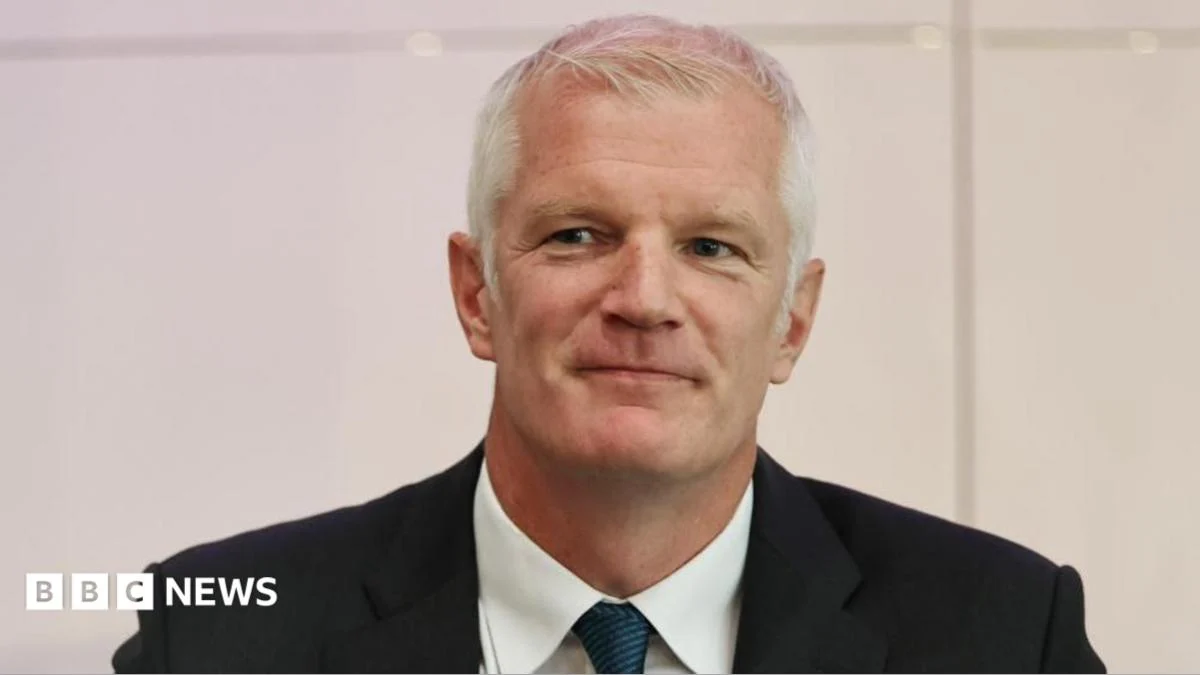
Former defence minister Al Carns has confirmed he has declined an invitation to serve in Prime Minister Andy Burnham’s newly formed government, citing persistent concerns over the adequacy of the nation’s defence funding. His refusal marks a significant early challenge for the nascent administration, underscoring the deep divisions that rocked the previous government and ultimately led to its collapse. Carns’ principled stand reinforces his earlier dramatic resignation from former prime minister Sir Keir Starmer’s government just last month, a move precipitated by a contentious dispute over proposed military expenditure, which he, alongside his then-secretary of state, John Healey, deemed critically insufficient for the complex global threats facing the United Kingdom.
The dispute over defence funding reached its zenith under Sir Keir Starmer’s leadership when, in an attempt to quell growing dissent, he replaced Healey with former British Army officer Dan Jarvis. While Starmer’s government did increase funding for the long-delayed Defence Investment Plan (Dip) by a modest margin, it conspicuously left a substantial £4.7 billion funding gap, a figure that critics, including Carns, argued was unsustainable and dangerous. Carns’ resignation in June was not merely a protest against specific figures but a broader statement on strategic priorities, a conviction he has clearly not abandoned. He revealed that the offer of a ministerial role came directly from the chief whip, Anneliese Midgely, a key figure in parliamentary discipline and government appointments.
In a candid post on social media, Carns articulated his rationale: "I resigned in June because I did not believe the defence funding on the table was adequate for the threats this country faces. I said so publicly and I still stand by every word." He acknowledged the traditional expectation for a party loyalist to serve when asked, stating, "I’ve always said I would serve where I am asked. In normal circumstances, that is exactly what I would do, but the argument I resigned over has not yet been settled." Carns further elaborated that accepting a government position at this juncture would inevitably signal an end to his impassioned campaign for increased military funding, a fight he firmly intends to continue prosecuting from the back benches of Parliament. His decision serves as a powerful reminder that the new government, despite its fresh mandate, cannot simply sweep unresolved issues under the rug.
Despite his refusal to join the executive, Carns expressed cautious optimism regarding the appointment of his former boss, John Healey, as the new Chancellor of the Exchequer. This move, Carns admitted, has shifted the national debate on defence funding in a more promising direction. Healey now faces the monumental task of identifying and allocating the additional financial resources he himself believed the previous government failed to deliver, resources deemed essential for safeguarding the UK’s security. Carns underscored the synergy between their positions: "John resigned for the same reasons I did. He is a man of his word and he has made it clear that he will deliver on the commitments that led him to leave government in the first place." He concluded by welcoming the appointment, stating, "The Prime Minister knows exactly what John stands for and that appointment is meaningful and I welcome it," hinting at a potential ally within the Treasury for his ongoing campaign.
The new Defence Secretary, Wes Streeting, speaking earlier on Wednesday, emphasized his commitment to fiscal prudence within his department, asserting his desire to ensure "every penny is spent wisely" and stressing that investment in the armed forces must be inextricably linked with "modernisation." Prime Minister Andy Burnham has publicly committed to honouring the UK’s international obligations on defence spending, including the ambitious target of meeting NATO’s core defence spending benchmark of 3.5% of gross domestic product (GDP) by 2035. This commitment represents a significant uplift from current levels and signals a distinct change in strategic direction compared to the previous administration. However, Conservative shadow defence secretary James Cartlidge has already questioned the feasibility and political will behind Burnham’s pledges, specifically challenging whether the government will genuinely increase spending to 3% within the current parliamentary term, which is slated to conclude in 2029. This sets the stage for a protracted and intense debate over defence priorities and national security.
The political landscape that propelled Andy Burnham to No 10 Downing Street was fraught with internal turmoil and public disillusionment under Sir Keir Starmer. John Healey’s resignation as Defence Secretary in June, coming from one of Sir Keir’s most loyal cabinet allies, proved to be a pivotal moment, widely regarded as the final nail in the coffin for the former prime minister’s embattled premiership. While Healey had urged other defence ministers to remain in their posts to maintain stability, both Al Carns and Pamela Nash, who had served as Healey’s parliamentary assistant, nonetheless chose to resign, amplifying the crisis of confidence within Starmer’s government. These high-profile resignations occurred barely a week before the Makerfield by-election, a crucial contest that saw Andy Burnham return to Westminster with a resounding victory, providing the momentum that would ultimately catapult him into the leadership and, subsequently, No 10.
The broader erosion of faith in Sir Keir’s leadership had been evident for months. In May, ex-Health Secretary Wes Streeting, now the current Defence Secretary, had quit Starmer’s government, publicly stating he had lost confidence in the leadership after a series of disastrous electoral outcomes. These included a profoundly disappointing set of local elections in England, continued poor polling results at Holyrood in Scotland, and an historic, humiliating defeat in the Welsh Senedd, all occurring in May. Streeting’s return to government in such a prominent role under Burnham signals a clear shift in the party’s direction and a move to unite various factions under a new banner. Dan Jarvis, the former British Army officer who had initially replaced Healey as Defence Secretary, has now transitioned back to his previous post as security minister, a role he held with distinction before the brief stint at the Ministry of Defence.
Burnham’s government formation has also seen other significant changes and departures. Former immigration minister Mike Tapp expressed his profound disappointment at being removed from his role, emphasizing his unwavering loyalty to Sir Keir throughout his tenure. His departure followed a heated dispute over proposed immigration reforms with Home Secretary Shabana Mahmood, one of the few cabinet members from the Starmer era whom Burnham chose to retain in her senior position. Mahmood had publicly accused Tapp of breaching the Ministerial Code, highlighting the often-brutal realities of policy disagreements and political accountability within government.
Wednesday also brought announcements from two more ministers stepping down: Natalie Fleet and Mary Creagh. Fleet, who had courageously spoken about being groomed and raped as a teenager, had been appointed safeguarding minister by Sir Keir in May. However, she revealed that the demands of the role had become "overwhelmingly triggering" for her, necessitating her difficult decision to step down for her own well-being. Her candid explanation brought a deeply personal dimension to the often-impersonal process of government reshuffles. Environment minister Mary Creagh also announced her departure, having been appointed to her post by Sir Keir following Labour’s landslide general election victory in 2024, a victory that now feels like a distant memory amidst the recent political upheaval.
Late on Wednesday, Downing Street released a comprehensive list of further appointments and honours, including a peerage for Scottish Labour leader Anas Sarwar. Sarwar had played a crucial role in the internal party dynamics, having vocally called for Sir Keir to resign following the May elections. His elevation to the House of Lords is widely seen as a reward for his support and will enable him to take up the significant role of business minister under Prime Minister Burnham, further solidifying the new government’s reach and influence across the constituent nations of the United Kingdom. Carns’ refusal, therefore, is not an isolated incident but a critical data point in a complex narrative of political transition, ongoing policy debates, and the intricate balancing act of party unity under a new leader.




 Roy Suryo

 Nakalama John
 atisusanti
