Nana Banana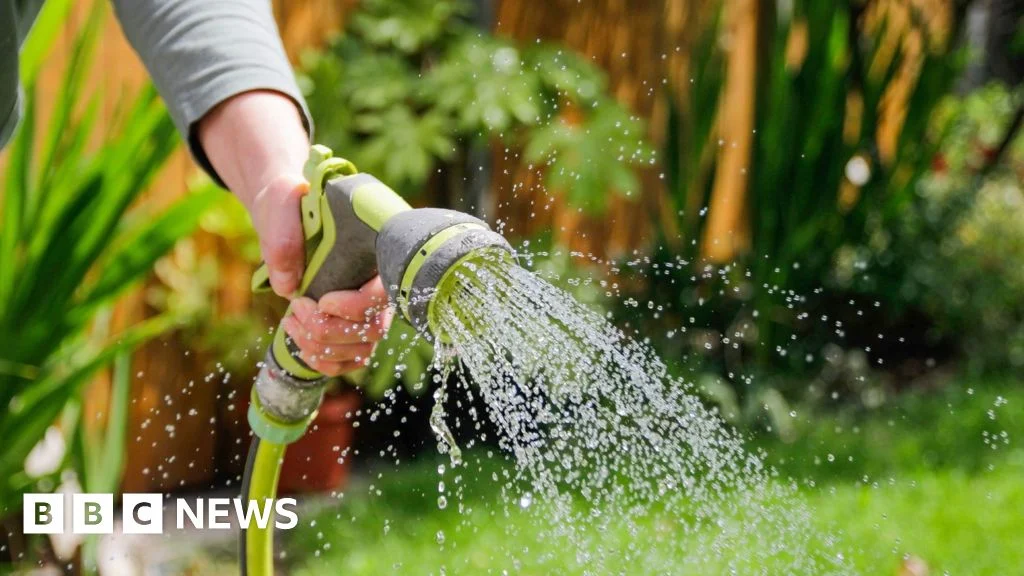
A hosepipe ban, officially known as a Temporary Use Ban (TUB) in many jurisdictions, is a legal restriction placed on the use of outdoor water sources connected to the mains supply. Its primary purpose is to conserve water during periods of scarcity, typically triggered by prolonged dry spells, low reservoir levels, or unusually high demand that outstrips supply. Water companies, often in consultation with environmental agencies and governmental bodies, are empowered to implement these bans under specific legislation, such as the Water Industry Act in the United Kingdom. This legislation grants them the authority to restrict certain non-essential water uses when necessary to maintain essential public water services.

The decision to impose a hosepipe ban is not taken lightly. It usually follows an assessment of various hydrological indicators, including rainfall levels, river flows, groundwater levels, and reservoir storage capacities. When these indicators fall below critical thresholds, signaling an impending or existing drought, water companies move through a series of drought management stages. These stages typically escalate from public awareness campaigns encouraging voluntary reductions, to the implementation of compulsory restrictions like hosepipe bans, and in extreme cases, more severe measures such as non-essential use bans for businesses or even rota cuts to domestic supplies. Climate change is increasingly making these events more frequent and severe, transforming hosepipe bans from rare occurrences into a more regular feature of summer management in many regions.

Once a hosepipe ban is in effect, specific activities become prohibited. While the exact list can vary slightly between water companies and specific ban orders, common restrictions typically include: watering a garden using a hosepipe; cleaning a private motor vehicle, boat, or aircraft using a hosepipe; watering plants on domestic or other non-commercial premises using a hosepipe; filling or topping up a domestic swimming or paddling pool; filling or topping up a domestic pond; cleaning a patio, path, driveway, or other artificial outdoor surface using a hosepipe; cleaning all or any part of the exterior of a domestic dwelling; and operating a ornamental fountain. The key distinction is usually the method of watering – using a hosepipe connected to the mains supply. Hand-held watering cans or buckets, which typically draw water less indiscriminately and encourage more mindful use, are often permitted.
The financial penalty for violating a hosepipe ban can be significant. In the UK, for instance, individuals caught flouting a ban can be prosecuted and fined up to £1,000. While immediate fines are rare and water companies often issue warnings first, persistent or egregious violations can lead to formal prosecution. The enforcement process typically involves water company employees monitoring usage, responding to public reports, and investigating suspected breaches. Evidence gathered can then be used in court if the water company decides to pursue legal action. The aim is deterrence and compliance rather than revenue generation, underscoring the seriousness with which these regulations are viewed during times of water stress.

Despite the general prohibitions, there are often specific exemptions to hosepipe bans, acknowledging situations where the use of a hosepipe is essential or for specific purposes. Common exemptions may include: using a hosepipe for health and safety reasons, such as removing a hazard; watering newly laid turf or plants during their establishment phase (often for a limited period after planting); using a hosepipe for commercial purposes, such as market gardens, nurseries, or car washes that use efficient water recycling systems; or individuals with disabilities who require the use of a hosepipe for specific tasks related to their mobility or health. Additionally, the use of private boreholes, rainwater harvesting systems, or greywater recycling systems is typically exempt, as these sources do not draw from the public mains supply. It is crucial for individuals to check the specific details of any ban issued by their local water company, as exemptions can vary.

Hosepipe bans are not a new phenomenon. Historically, severe droughts, such as those experienced in the UK in 1976 and 1995, led to widespread restrictions. More recently, the summers of 2018 and 2022 saw multiple water companies imposing bans across vast swathes of the country, highlighting the increasing vulnerability of water supplies to climatic fluctuations. These events serve as stark reminders of the finite nature of freshwater resources and the critical need for effective demand management strategies. The impact extends beyond individual inconvenience, affecting local businesses reliant on water, and placing additional strain on environmental ecosystems already stressed by low water levels.

Beyond the immediate threat of a fine, the broader context of water conservation is paramount. With growing populations, increasing urbanization, and the undeniable impacts of climate change leading to more extreme weather patterns – including both prolonged droughts and intense rainfall events – the pressure on water resources is escalating globally. Hosepipe bans, while temporary solutions, underscore a larger imperative for sustainable water management. This includes significant investment by water companies in reducing leakage from their networks, developing new water sources, and improving treatment infrastructure. However, individual responsibility also plays a crucial role. Adopting water-saving habits in daily life, such as taking shorter showers, fixing dripping taps, using water-efficient appliances, installing rainwater butts, and choosing drought-resistant plants for gardens, collectively contributes to a more resilient water future, mitigating the need for future bans and associated penalties.

Public perception and compliance with hosepipe bans can be mixed. While many citizens understand the necessity and adhere to the rules, some may view them as an inconvenience or an overreaction. There can be social pressure, sometimes referred to as "water shaming," where neighbours report perceived breaches, though water companies typically encourage direct reporting rather than vigilantism. The challenge for water companies lies in communicating the urgency and fairness of the measures, ensuring that exemptions are clear, and demonstrating that they are also fulfilling their own responsibilities, particularly regarding leakage reduction.

Looking ahead, it is likely that hosepipe bans will become a more regular tool in the water management toolkit for many regions. Proactive planning, technological advancements in water monitoring and demand forecasting, and ongoing public education campaigns will be vital. The potential for fines serves as a powerful deterrent, but the ultimate goal is to foster a culture of water stewardship where conservation is a daily practice, rather than just a reaction to crisis. Therefore, understanding the legal implications of a hosepipe ban, including the possibility of a fine, is not just about avoiding penalties, but about recognizing one’s role in safeguarding a precious and increasingly scarce resource.




 Roy Suryo
 Nakalama John
 atisusanti
 Ramos Leo