
 Nana Banana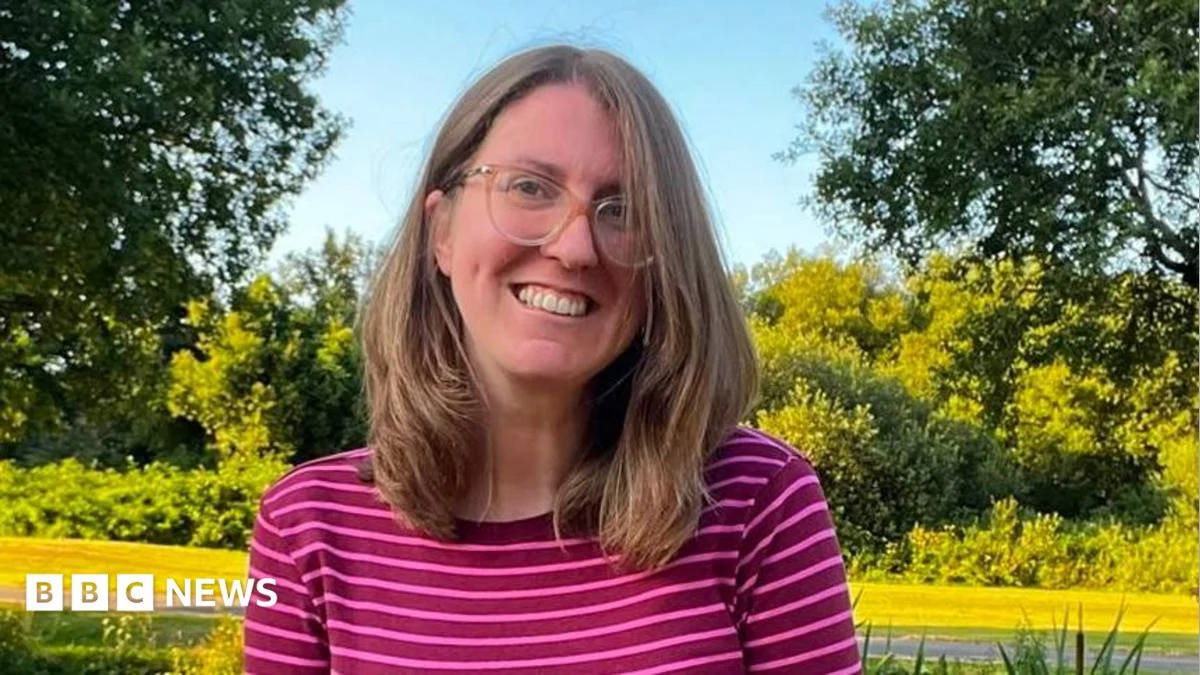
At the peak of the June heatwave, which marked the warmest June on record in England, Tavia Watts found her mind consumed by a singular, overwhelming worry: the searing heat in her two- and five-year-old children’s bedroom, which soared above 30C on multiple occasions. The oppressive temperatures transformed what should have been a sanctuary into a source of profound distress for the young mother.
"During the heatwave, I’ve got a high level of anxiety all the time and I’m pretty much useless," she confided to the BBC. The constant concern for her children’s well-being – fearing heatstroke, dehydration, and disrupted sleep – left her feeling physically and emotionally drained. "I’ve had to leave bedtime when my husband reads [my kids] stories to have a little cry and to calm down, because it’s just too hot in their room and I’m afraid for them." This daily ritual, typically a moment of family bonding, became a trigger for tears and panic, highlighting the deep psychological toll the heat took on her.
Feeling "incredibly helpless" in the face of an uncontrollable environmental threat, the 36-year-old stay-at-home mum living in Cheltenham decided to voice her inner turmoil. She posted a raw, unscripted reel to her hundreds of followers on Instagram, candidly sharing her anxieties. To her astonishment, the video resonated deeply, garnering over 18,000 likes and 1,700 reposts. In the emotionally charged video, Tavia articulated the feelings many were silently experiencing, stating that the heat "feels like the world is literally ending," expressing that she was "terrified for [her] children’s lives," and admitting she "wants to scream at the people not taking this seriously." The viral response underscored a widespread, yet often unacknowledged, collective anxiety surrounding extreme weather events.
Watts’ experience is far from isolated. A significant body of research indicates that climate-related distress is a growing concern. A 2022 study from the University of Bath estimated that approximately 4.6% of people in the UK experience climate anxiety, a form of mental distress increasingly recognised by professional bodies and even the NHS. This anxiety is not merely a fleeting worry but a persistent, often debilitating, concern about the environmental crisis and its profound implications for the future. Recent research further indicates that young people and women are among the demographic groups most vulnerable to its effects, likely due to a combination of factors including greater future-oriented concerns, societal roles, empathy, and exposure to climate-related information.
Psychologists Dr. Caroline Hickman from the University of Bath and Dr. Emma Lawrance from the University of Oxford have observed a notable rise in "anticipatory anxiety," particularly in relation to heatwaves. This specific form of anxiety manifests as a dread and apprehension about future extreme weather events, often intensified by prior traumatic experiences. "Once people have been through a traumatic event like a flood or a heatwave, they anticipate the next one," Hickman, who provides therapy to individuals grappling with climate anxiety, explained to the BBC.
The increasing frequency and intensity of heatwaves in the UK have created a particularly fertile ground for this anxiety. "Now we’re getting the repeat, repeat, repeat [heatwaves]," Hickman observed. This relentless succession of extreme events erodes fundamental feelings of safety and security, triggering a profound sense that ‘I can’t be safe in the world, and the world can’t be trusted.’ The psychological impact of this erosion of trust in the stability of one’s environment can be devastating. During the June heatwave alone, Hickman reported encountering individuals expressing extremely severe forms of distress, including suicidal ideation, discussions about terminating pregnancies due to fears for a child’s future in a changing climate, and strong desires to sell homes and relocate to cooler regions. These extreme reactions highlight the depth of despair and helplessness that climate anxiety can induce.
Tavia Watts acknowledged that her candid video "clearly struck a chord with people," leading to a flood of comments, including valuable input from therapists offering coping mechanisms. This outpouring inspired her to actively seek ways to help others navigate their own climate anxiety. She identified two distinct paths individuals often take when confronted with this overwhelming concern. "It can go one of two ways. You can either just fall into doomism and think, ‘What is the point?’" This path, she noted, leads to paralysis and hopelessness.
Alternatively, Watts advocates for a proactive approach: "Or you can try to do something." She exemplifies this by channeling her anxiety into tangible, positive actions. During a heatwave, she makes a conscious effort to sign petitions, advocating for systemic change. She also actively organises local climate community events, fostering collective engagement and awareness. Her initiative extends to running a free children’s clothes swap shop, promoting circular economy principles and reducing consumption within her community. Furthermore, during the most recent heatwave, she made a significant personal lifestyle change, becoming vegetarian. "Because then I can tell my kids at least I tried," she explained, highlighting the importance of personal agency and setting an example, even when facing a seemingly insurmountable global challenge. These actions, however small they might seem, provide a crucial sense of control and purpose, mitigating the feelings of helplessness.
Dr. Emma Lawrance offered several practical recommendations for managing climate anxiety:
Talk to others: A significant "perception gap" often exists between how concerned people genuinely are about climate change and how much they believe others care. This gap can lead individuals to wrongly assume they are in the minority or even entirely alone in their worries, exacerbating feelings of isolation. Engaging in open conversations about climate anxiety can bridge this gap, fostering mutual understanding and validation. "Make space to be kind to yourself, to tend to those emotions and know that it’s coming from a place of care for the world," Lawrance advised, emphasizing the importance of self-compassion and acknowledging that these anxieties stem from a legitimate concern for the planet. Sharing these feelings can help individuals realise they are not alone and that their concerns are valid.
Find a community and take action: Lawrance strongly recommended seeking out and connecting with a strong social network of individuals who share similar concerns and values. Engaging in collective positive action, no matter the scale, can be incredibly therapeutic. Whether it involves participating in community garden projects, advocating for solar panel installations on local businesses, joining environmental clean-up drives, or volunteering for local conservation groups, shared action can be a powerful antidote to anxiety. This approach not only helps channel anxiety into constructive outcomes but also fosters a sense of belonging, purpose, and collective efficacy, which are vital for alleviating anxiety symptoms. For further support and resources, Lawrance cited organisations such as the Climate Psychology Alliance in the UK, which offers therapeutic guidance, as well as groups like the Resilience Project, dedicated to building community resilience, the Climate Cares Centre, focused on research and practical solutions for climate-related mental health, and the Climate Majority Project, which aims to engage and empower a broader public on climate issues.
Keep yourself cool: The intricate connection between physical and mental health is paramount. Lawrance underscored that physical discomfort, particularly from extreme heat, can significantly worsen anxiety and mood. The physiological stress of being overheated—increased heart rate, difficulty breathing, disturbed sleep—can mimic and exacerbate the symptoms of anxiety, creating a vicious cycle. Therefore, taking proactive steps to maintain physical coolness during extreme heat is a crucial self-care strategy. Simple yet effective measures include taking cool showers, applying a cold washer or ice pack to the neck or pulse points, ensuring adequate hydration by drinking plenty of water, wearing light and breathable clothing, seeking out shaded or air-conditioned environments, and limiting strenuous physical activity. "All of those things will help physiologically as well," she affirmed. By addressing the physical discomfort, individuals can create a more stable foundation for managing their mental state. Lawrance concluded with an empowering message: "There’s a lot we can do – we’re not powerless." By combining self-compassion, social connection, proactive engagement, and physical self-care, individuals can navigate the challenges of heatwave anxiety with greater resilience and hope.



 Roy Suryo

 Nakalama John
 atisusanti
 Ramos Leo
