Roy Suryo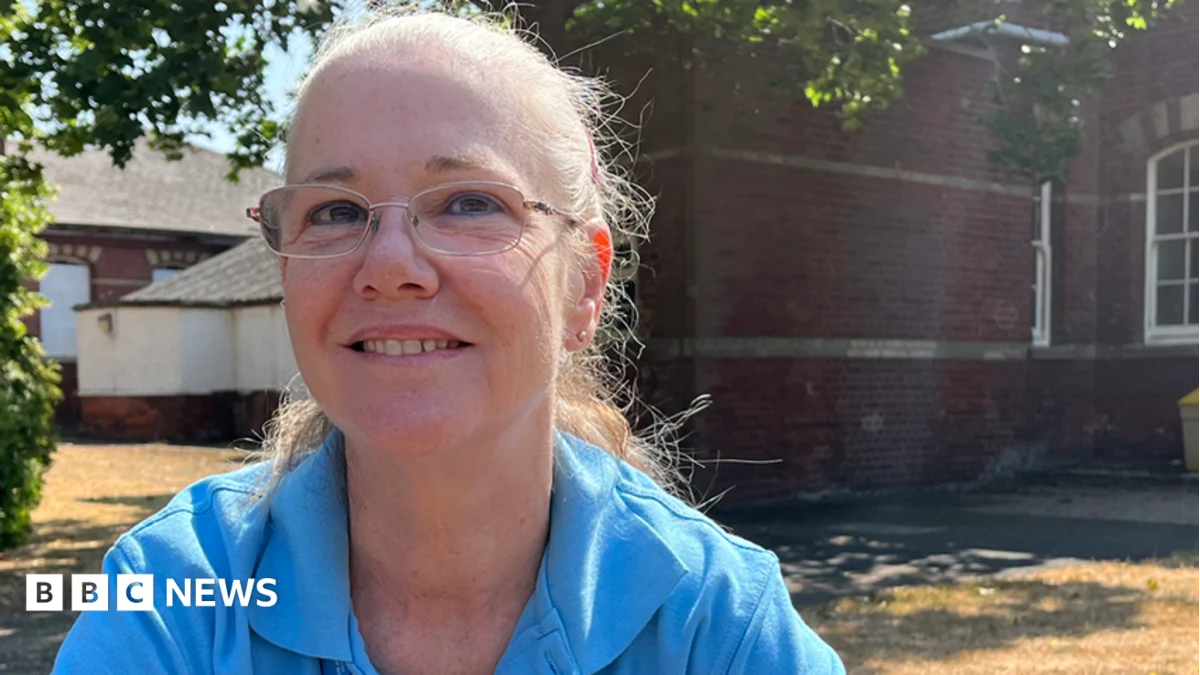
The pioneering initiatives providing vital mental health support for female veterans in Norfolk and Suffolk are not only flourishing but are actively inspiring the replication of similar groups across the United Kingdom, a testament to the growing recognition of the unique challenges faced by women who have served in the armed forces. Chelley Tulloch, a former Royal Air Force (RAF) medic whose experiences in war zones left her grappling with Post-Traumatic Stress Disorder (PTSD), has been a cornerstone of the Norfolk group, her personal journey underscoring the profound and transformative impact of such dedicated support networks. Her service involved harrowing deployments to global conflict zones, where she witnessed firsthand the devastating aftermath of battles, tending to severely injured soldiers in critical care settings. These experiences, etched into her memory, often resurfaced as visceral nightmares, intrusive sensory hallucinations – seeing, hearing, and even smelling the horrors of war – and a pervasive self-doubt that eroded her confidence and ability to perform everyday tasks.
"I just went through a lot of low moods, nightmares, seeing things, hearing things, smelling things, doubting myself, not being able to do things that I could do," Tulloch candidly shared, her voice reflecting the deep-seated struggle she endured. The relentless psychological toll of her service profoundly altered her cognitive processes, impacting her perception of reality and her sense of self-worth. This internal turmoil, a silent companion long after her return to civilian life, highlighted the critical need for specialized support that understood the specific nuances of military service for women.
Tulloch’s observations extend beyond her personal narrative, pointing to a broader trend within the military. With an increasing number of women choosing to serve, the demand for dedicated mental health support tailored to their experiences is set to escalate significantly. This demographic shift necessitates a proactive approach to mental healthcare, ensuring that the infrastructure and resources are in place to meet future needs. Her engagement with women veterans from across the nation paints a vivid picture of a burgeoning movement. "I talk to people in Scotland, I talk to people in Wales, and I’m talking to so many different ladies at the moment about what they’re doing," she explained, emphasizing the interconnectedness of these emerging support systems.
The landscape of veteran support is rapidly evolving, with a growing array of organizations specifically catering to female veterans. This proliferation of groups signifies a collective recognition of the need for specialized care and a shared commitment to fostering a supportive community. "There’s all sorts of different organisations out there now for the female veterans, and we are all pulling together," Tulloch affirmed, highlighting the collaborative spirit that is driving this vital work forward. This united front, characterized by a willingness to share best practices and resources, is crucial in maximizing the reach and effectiveness of these support initiatives.
The success and expansion of these grassroots efforts are being met with increased attention and investment from official channels. The Ministry of Defence (MOD) has publicly committed to bolstering NHS services for veterans, acknowledging the profound debt owed to those who have served the nation. A spokesperson articulated this commitment, stating, "We owe a debt of gratitude to all those who serve, and since 2024, we have made significant changes to improve mental health support for personnel and veterans – including for the growing number of women in our armed forces." This statement marks a significant acknowledgement of the evolving demographics of the military and the corresponding need for inclusive support.
The MOD’s proactive stance includes enhancing immediate access to mental healthcare for serving personnel. They have emphasized the availability of a 24-hour helpline, offering a lifeline to individuals experiencing acute distress. Furthermore, serving members can access mental health professionals, ensuring timely and expert intervention when needed. This investment in direct services reflects a strategic understanding that early intervention and consistent access to care are paramount in preventing the escalation of mental health challenges. The MOD’s commitment to improving mental health support signifies a broader societal shift towards recognizing and addressing the complex psychological impacts of military service, particularly for those in combat roles and under immense pressure.
The replication of the Norfolk and Suffolk models signifies a vital step in ensuring that female veterans nationwide have access to the specialized support they deserve. These groups, born out of necessity and driven by the lived experiences of those they serve, offer a unique blend of peer support, therapeutic guidance, and a sense of belonging that is often difficult to find in mainstream services. The challenges faced by female veterans can be multifaceted, encompassing the physical and psychological rigour of military training and deployment, alongside the societal expectations and potential reintegration difficulties upon returning to civilian life. Many women may also face unique challenges related to their gender, such as experiences of discrimination or harassment, which can further compound their mental health needs.
The success of the Norfolk and Suffolk groups lies in their ability to create safe spaces where women can openly discuss their experiences without fear of judgment. This peer-to-peer support network is invaluable, allowing individuals to connect with others who truly understand the complexities of military life and the specific hurdles faced by women in the armed forces. Sharing stories, coping mechanisms, and practical advice within a trusted community can significantly reduce feelings of isolation and foster resilience. The therapeutic benefits derived from simply knowing you are not alone in your struggles cannot be overstated.
Moreover, these groups often facilitate access to external professional services. By acting as a bridge between veterans and mental health practitioners, they can help demystify the process of seeking help and ensure that individuals are directed to the most appropriate resources. This can include therapy, counselling, and specialized treatments for conditions such as PTSD, anxiety, and depression. The proactive approach taken by these groups in identifying needs and connecting individuals with tailored support is a key factor in their effectiveness.
The expansion of these support networks is also crucial in addressing the long-term well-being of female veterans. Military service, while often a source of pride and fulfillment, can also leave lasting scars, both visible and invisible. Ensuring that veterans have ongoing access to mental health support throughout their lives is essential for their successful reintegration into civilian society and for their overall quality of life. The MOD’s acknowledgement of the growing number of women in the armed forces and its commitment to improving mental health support are positive indicators that this issue is being taken seriously at the highest levels.
The collaborative efforts highlighted by Chelley Tulloch, where different organizations are "pulling together," underscore a growing understanding that a multi-faceted approach is necessary. This collaboration can involve sharing data, best practices, and resources to create a more robust and comprehensive support system for female veterans across the UK. It also signifies a move away from siloed approaches towards a more integrated and holistic model of care.
The personal testimony of Chelley Tulloch serves as a powerful reminder of the profound impact that dedicated support can have on individuals. Her journey from experiencing debilitating PTSD to becoming a vocal advocate for female veterans highlights the transformative power of community and specialized care. The replication of the Norfolk and Suffolk models represents not just the expansion of services, but a growing societal recognition of the unique contributions and sacrifices of women in the armed forces, and a commitment to ensuring their mental well-being is prioritized. The ongoing dialogue and investment in these areas promise a brighter future for female veterans, offering them the support and recognition they so rightly deserve. The continued development and widespread adoption of these models will be instrumental in building a comprehensive and accessible network of care for all who have served.




 George Anjay
 Nakalama John
 Ramos Leo
 Nana Banana