
 Roy Suryo
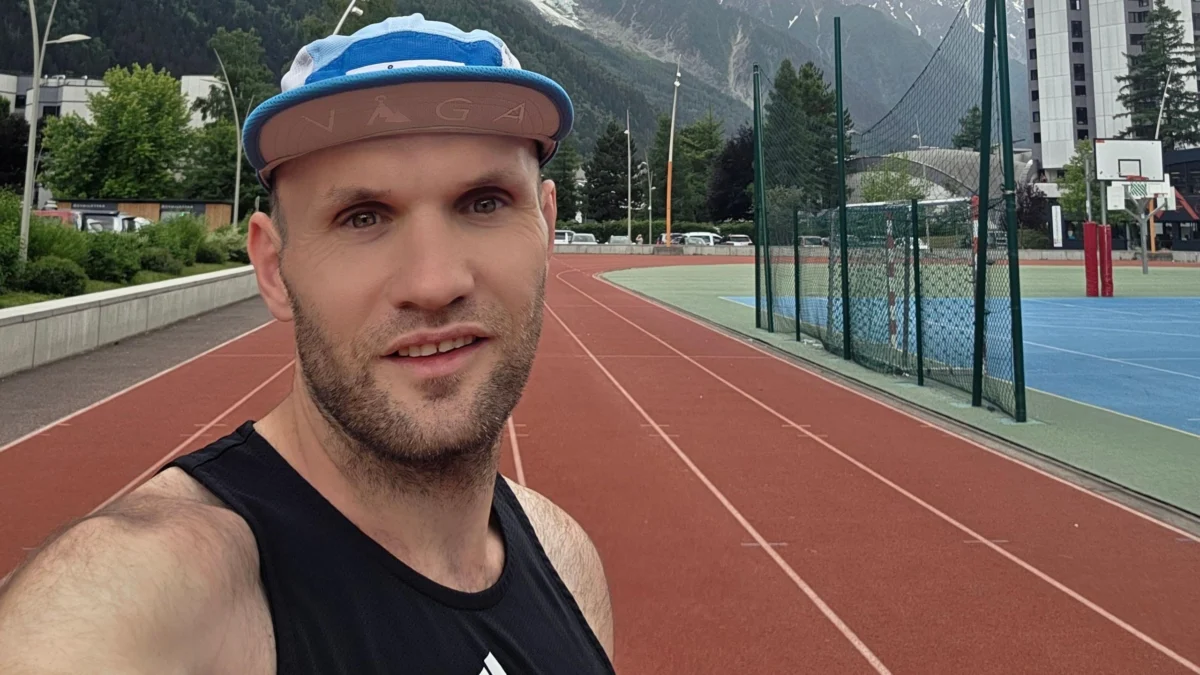
A runner from Powys has bravely shared his story of how his dedication to fitness spiralled into an all-consuming addiction, leaving him plagued by anxiety and sleep deprivation. Wayne Davies, 40, from Newtown, described how his pursuit of peak physical condition transformed into a constant battle with race times, meticulously crafted training plans, and the relentless comparison of his progress against others on social media. This obsessive focus, he explained, made him feel as though "the rug was being pulled from under my feet," impacting every facet of his life before he sought help from NHS Wales.

His journey into the darker side of fitness began about a decade ago, initially as a healthy way to stay active. However, what started as casual jogs soon escalated into marathons and then gruelling ultra-distance races, including an astonishing 75-mile (120km) challenge around the picturesque Llŷn Peninsula in Gwynedd. "I became obsessed with trying to do longer and longer distances," Wayne confessed, "then I started focusing on times." This relentless drive, however, brought no lasting satisfaction. "I was never happy, and always chasing the next challenge or trying to get a better time." The pressure to perform became immense, and failure to meet his own stringent expectations felt catastrophic. "To Wayne, it felt like the ‘end of the world’ if he didn’t succeed. ‘I never stopped to appreciate what I’d achieved,’ he said."
The psychological toll of his addiction was compounded by a significant health scare. During a training run, Wayne experienced a heart issue, which led to a diagnosis of atrial fibrillation, a heart rhythm condition. While he recovered and returned to running after treatment, the fear of recurrence cast a long shadow. This anxiety, coupled with the ongoing pressure to maintain his performance, solidified his realization that his dedication had morphed into an unhealthy obsession. He hadn’t even considered the existence of a "fitness addiction" until he began to vocalize his struggles. "Wayne said he never realised a fitness addiction existed until he spoke up about it, saying he was just trying to ‘get better all the time.’" The silence he had maintained before sharing his story stemmed from a fear of judgment. "Since I shared the story I’ve had a a lot of people saying they can relate to it," he said. "I probably wasn’t open about it before because you feel like you’re going to get judged."

Encouraged by friends and family, Wayne consulted his GP, who referred him to Ponthafren, a local charity in Powys. This marked a pivotal moment in his recovery. "A lot of men think talking about how they feel is a sign of weakness, and I admit I did feel a bit ashamed at first," he admitted. "But taking that first step was probably the best thing I ever did." He then enrolled in the NHS Wales SilverCloud Space from Anxiety programme, a 12-week online course designed to help individuals manage their mental well-being. Through this program, he learned invaluable techniques for managing his thoughts and letting go of unhelpful anxieties. "I don’t tend to look at the data as much anymore. I just accept it for what it is." His relationship with his running watch has also transformed; it now serves as a gentle guide rather than a tyrannical overseer. "He sometimes uses his watch as a guideline when running, but no longer ‘obsesses over it’, adding that he ‘goes by how I feel on the day’."
Wayne had been preparing for the Marathon Eryri, formerly the Snowdonia Marathon, a race steeped in history and held in the dramatic landscapes of Eryri (Snowdonia). However, the event was ultimately cancelled due to adverse stormy weather, a development that, under his new mindset, he approached with equanimity. Speaking before the cancellation, Wayne expressed his renewed perspective. "I’m not worried about times anymore," he said. "I just want to do the best I can on the day and enjoy it." His recovery has also instilled in him a desire to encourage others, particularly men, to seek support when they are struggling. "Wayne said he thought more men should feel comfortable reaching out for support when they need it." He emphasizes the availability of help and the importance of overcoming the perceived stigma. "People do want to listen and there are tools out there that can help. It’s not as scary as you think."

The issue of fitness addiction is gaining increasing recognition. Zaheen Ahmed, head of therapy at UK Addiction Treatment Centre, has observed a significant rise in cases, with over 57,000 individuals seeking information from their exercise addiction page in the past six months. She notes that often, these addictions emerge as individuals transition from substance abuse into sobriety, with exercise becoming a new focal point that can, in turn, become problematic. The proliferation of fitness apps and wearable technology, while offering valuable guidance and fostering a sense of community, can also contribute to compulsive behaviors. "Fitness apps had added a competitive element to ‘inform and advise’ people in a way that could not be done a decade ago, but this can lead to compulsive behaviour disorder." Ahmed warns, "If fitness has overtaken your daily joy sources, then it’s likely a problem has developed." She believes that the increase in reported addictions is not due to a fundamental shift in addictive tendencies, but rather a societal evolution towards greater openness and honesty about these behaviors. "Addictions were not changing, but instead ‘we just have the means and desire to talk more openly and honestly about these behaviours’." As life becomes more complex and society offers a wider array of engagement opportunities, the potential for unhealthy relationships with various activities grows. "As life evolves and as a society we’re exposed to more things to do, more ways to be engaged, there are more opportunities for unhealthy relationships develop."
Dafydd Judd, a personal trainer based in Cardiff, echoes this sentiment, highlighting the blurring lines between fitness and technology addiction. He points out that calorie-counting applications can become highly addictive when users engage in constant weighing, measuring, and adjusting of their intake. "There’s way more food to track than there is with exercise, so I can see how that can get extremely obsessive," he added. Judd advocates for seeking help if fitness activities begin to negatively impact one’s life, emphasizing the importance of channeling energy constructively. He also cautions individuals to be discerning when viewing fitness achievements posted online, as there is a growing trend of individuals exaggerating their accomplishments. "He described social media as a ‘double-edged sword’ when helping people to stay fit." While it can foster healthy competition and motivate individuals, it can also create unrealistic expectations. "Companies are tapping into social media to help promote their business, but on the flip side, it creates these communities," he said, adding that "healthy competition" online can spur people on.

Fionnuala Clayton, project manager of NHS Wales’ Online Cognitive Behavioural Therapy Service, expressed gratitude for Wayne’s willingness to share his story during a "challenging time in his life." Clayton acknowledges the well-documented mood-boosting benefits of exercise but stresses that "too much can can have negative impacts on both mental and physical health." She underscores the significance of seeking support when a routine begins to dominate other aspects of life. "It was important to reach out for support if a routine starts to dominate other areas of your life." She concludes, "Talking to someone and exploring other sources of support can be an important step towards a healthier balance." "Stories like Wayne’s remind us why accessible mental health support matters."


 George Anjay
 Nakalama John

 atisusanti
 Ramos Leo

 Nana Banana
