
 Nana Banana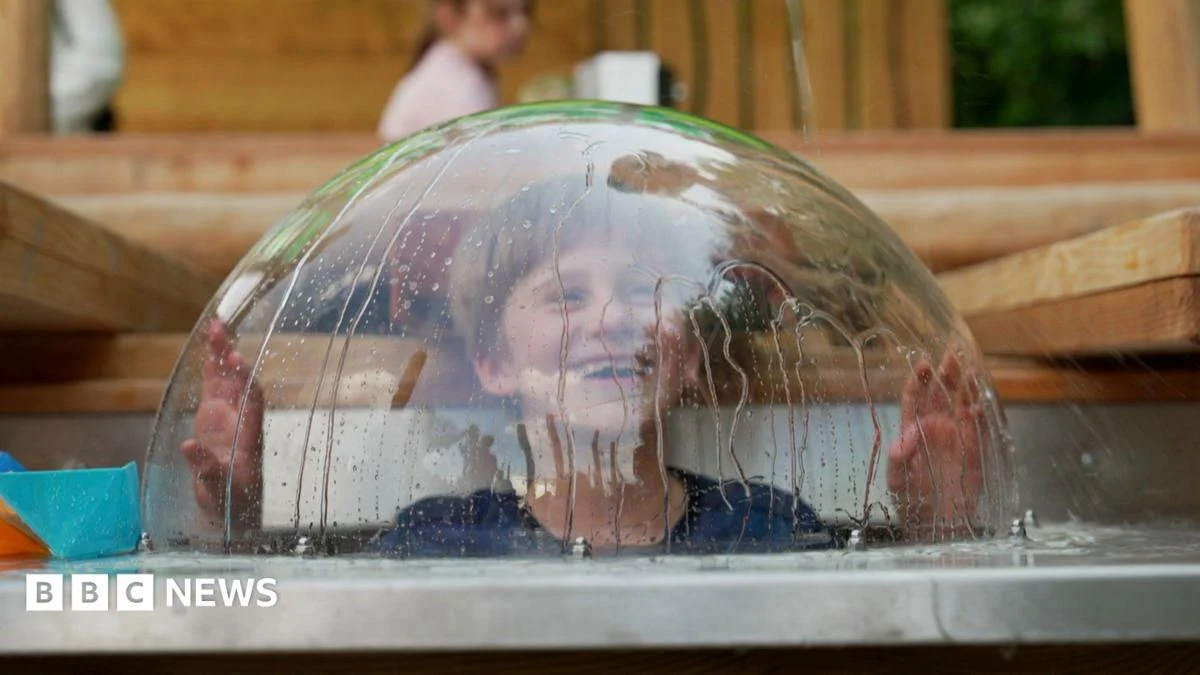
In response to this pressing ecological challenge, the Winchester Science Centre in Hampshire has unveiled a groundbreaking play zone meticulously themed around the local landscape. This ambitious initiative aims to forge a profound connection between children and these vital natural environments, fostering an understanding and appreciation that is hoped will endure into adulthood, ultimately cultivating a new generation of environmental stewards. The project’s timing is particularly pertinent, coinciding with a concerted push for greater protection for chalk streams across the country. The Berkshire, Buckinghamshire & Oxfordshire Wildlife Trust (BBOWT), for instance, has recently thrown its full support behind a newly formed Westminster parliamentary group dedicated to safeguarding these precious waterways.
Chalk streams are extraordinary natural wonders, born from unique geological formations. They are fed by groundwater that has filtered through vast underground chalk aquifers, resulting in water that is exceptionally clear, mineral-rich, and maintains a remarkably consistent cool temperature year-round. This stability is a critical factor, creating a haven for a distinct array of flora and fauna that thrive in these precise conditions. Species such as the iconic brown trout, the delicate water crowfoot, vibrant kingfishers, and elusive otters depend entirely on the specific characteristics of these streams. However, this very specialisation also renders them incredibly vulnerable to changes in water quality, flow, and temperature.
The educational philosophy underpinning the Winchester Science Centre’s new exhibit is both intuitive and profound. By allowing children to actively explore "why water flow, temperature, and oxygen matter to one of the world’s rarest freshwater habitats," the centre aims to move beyond passive observation. Imagine a miniature, interactive river system where children can manipulate sluice gates to understand water flow dynamics, use thermometers to observe temperature changes, and even engage with simple experiments demonstrating oxygen levels. Such hands-on activities are designed to translate complex ecological principles into tangible, memorable experiences for young minds. They might use magnifying glasses to examine macroinvertebrates, learning about their role as bio-indicators of water health, or discover how different riverbed substrates affect the lives of aquatic creatures.
Beyond the aquatic realm, the exhibit thoughtfully extends into the "surrounding chalk grassland," another equally precious and threatened habitat. Here, children can discover the intricate ways in which plants and insects adapt to and cope with extreme heat and drought conditions. The exhibit highlights why elements such as shade, varied vegetation structures, and interconnected habitats are not merely aesthetic features but critical "vital refuges for wildlife" in an increasingly unpredictable climate. For example, children might learn how deep-rooted chalk grassland wildflowers like orchids and cowslips access water during dry spells, or how dense tussocks of grass provide shelter for insects from scorching sun. The concept of ecological corridors, linking different habitats to allow species movement and resilience, would also be subtly introduced, demonstrating the interconnectedness of the wider landscape.
The broader context of chalk stream conservation underscores the urgency of initiatives like Winchester’s play area. These unique ecosystems face a multitude of threats, including excessive water abstraction for human consumption and agriculture, which reduces vital flow; agricultural run-off and sewage pollution, which degrade water quality; and the direct impacts of climate change, such as reduced rainfall, increased temperatures, and more frequent extreme weather events. The current prolonged hot and dry weather serves as a stark reminder of these vulnerabilities. Low water levels lead to higher water temperatures and reduced dissolved oxygen, creating an inhospitable environment for sensitive species. This can trigger algal blooms, stress fish populations, and devastate invertebrate communities, unraveling the delicate food web.
The BBOWT’s engagement with the new Westminster parliamentary group signifies a growing recognition at the policy level of the need for robust, coordinated action. Such groups typically aim to influence government policy, secure funding for restoration projects, and raise public and political awareness of the issues. Their efforts often focus on advocating for stricter regulation of water abstraction, investment in upgraded wastewater treatment facilities, and agricultural practices that minimise nutrient and pesticide run-off. They also support on-the-ground restoration efforts, such as removing man-made barriers to fish migration, restoring natural river meanders, and planting riparian vegetation to provide shade and stabilise banks.
For Winchester Science Centre, the play area is more than just an attraction; it’s a strategic investment in environmental education. Natalie Wallace, CEO of Winchester Science Centre, elaborates, "We believe that fostering a deep emotional connection with nature from a young age is the most powerful tool for conservation. By making learning about chalk streams and chalk grasslands fun, interactive, and tangible, we’re not just educating; we’re inspiring. We want children to leave here not only with knowledge but with a sense of wonder and a desire to protect these incredible places." This sentiment is echoed by Dr. Eleanor Vance, a freshwater ecologist, who states, "Children are naturally curious. Providing them with opportunities to get hands-on with these environments, to see the invertebrates, to feel the water, to understand the balance of an ecosystem, is invaluable. It transforms abstract concepts into personal experiences, which are far more likely to stick and shape future actions."
Parents and educators are also recognising the profound value of such immersive learning environments. Sarah Jenkins, a primary school teacher visiting the centre, commented, "In a world increasingly dominated by screens, it’s vital to reconnect children with the natural world. This play area offers a fantastic blend of education and entertainment. It allows them to explore complex scientific ideas through play, making them accessible and exciting. The potential for sparking a lifelong interest in conservation here is immense."
Ultimately, the Winchester chalk stream play area represents a hopeful and proactive approach to a critical environmental challenge. By engaging the youngest members of society, it aims to sow the seeds of understanding and responsibility, ensuring that the unique beauty and biodiversity of England’s chalk streams are not just marvelled at by future generations, but actively cherished and protected. The laughter and discoveries made within this innovative play zone could very well be the sound of a brighter future for these irreplaceable natural treasures.



 Roy Suryo

 Nakalama John
 atisusanti
 Ramos Leo
