Nana Banana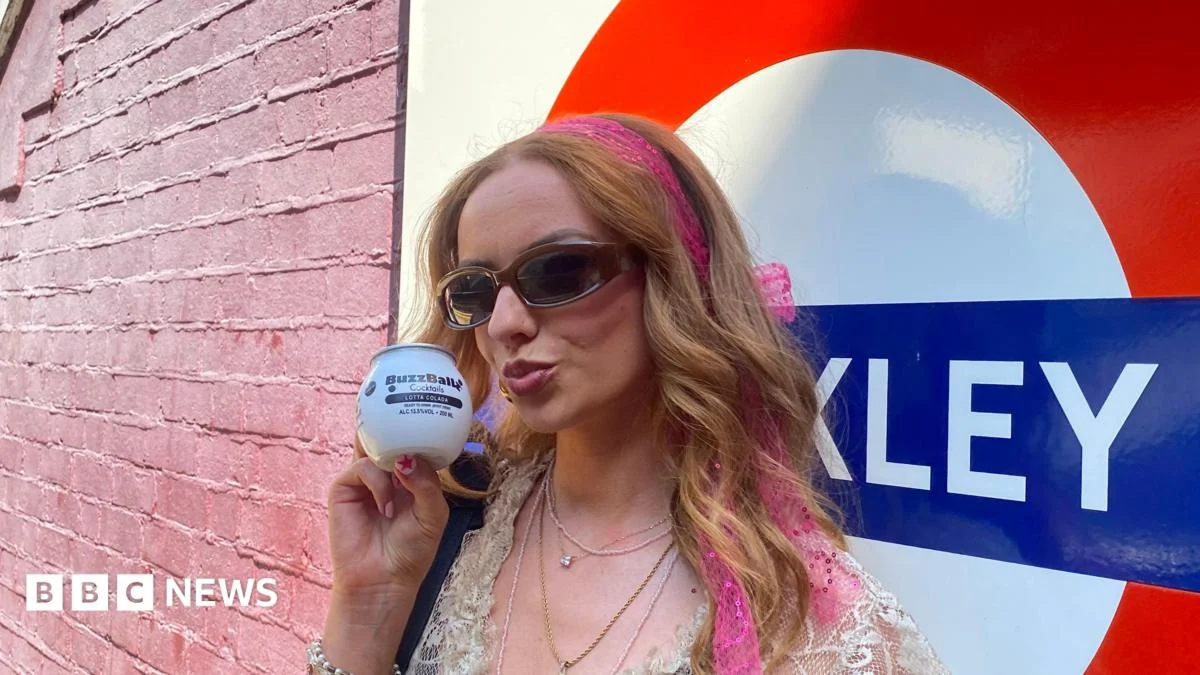
BuzzBallz, the popular spherical pre-mixed cocktails, are facing accusations of "greenwashing" from recycling experts across the UK, who contend that the company’s packaging is virtually unrecyclable within the current domestic infrastructure. Founded by teacher Merrilee Kick, BuzzBallz was recently acquired by the Sazerac Company in 2024, a major beverage alcohol company whose CEO is Jake Wenz. This acquisition comes amidst growing scrutiny over the brand’s environmental claims, particularly concerning the disposal of its distinctive containers.
At the heart of the controversy is BuzzBallz UK’s now-deleted mission statement, which previously declared the company "loves our planet as much as we love a good cocktail." This statement proudly announced a partnership with TerraCycle, a company known for developing recycling solutions for hard-to-recycle waste, to ensure its packaging could be recycled. However, a critical detail emerged: the TerraCycle scheme specifically for BuzzBallz only operates in the United States, leaving UK consumers without a viable route for recycling through this advertised partnership.
Further exacerbating the issue, BuzzBallz’s UK FAQs section, also since deleted, explicitly stated: "Yes, our packaging is recyclable. Please recycle your empties where local facilities allow." This guidance, while seemingly offering a solution, has been vehemently challenged by industry experts. Adam Herriott, the head of packaging at WRAP (Waste and Resources Action Programme), a leading UK charity dedicated to accelerating the move to a circular economy, definitively stated that "no local facilities anywhere in the UK allow BuzzBallz to be recycled." This directly contradicts the company’s prior online assertions, prompting serious questions about the accuracy and intent behind their public messaging.
Herriott elaborated on the fundamental problem with BuzzBallz packaging, explaining, "They’re a mix of two very recyclable materials that put together makes an unrecyclable format." While the specific materials were not detailed, the implication is a combination of common packaging components like plastic and metal that, when fused, become inseparable and therefore economically unviable for standard recycling processes. This mixed-material composition means that no local authorities in the UK will accept these items at kerbside collection. If, by chance, these unrecyclable containers end up at a sorting facility, they pose a significant risk of contaminating other valuable recycling streams. Herriott warned, "If they end up at a sorting facility, they could end up contaminating the plastic stream because of the metals in there and that could be very problematic for plastics recyclers that get into the machinery." Contamination can lead to entire batches of otherwise recyclable materials being sent to landfill or incineration, undermining recycling efforts and incurring additional costs for reprocessing facilities.
Beyond the material composition, even the unique spherical shape of the BuzzBallz container presents a formidable challenge to modern recycling infrastructure. Herriott pointed out that these distinctive orbs can roll on the conveyor belts that transport waste through sorting facilities. In these highly automated environments, sophisticated scanners are designed to identify items in specific positions for accurate separation. However, if a BuzzBallz container rolls after being scanned but before air jets are deployed to sort it into the correct recycling stream, it can be misdirected. This misdirection can lead to contamination of other streams, further complicating the recycling process and potentially degrading the quality of recycled materials.
The severity of this issue was underscored by Ambarish Mitra, co-founder of Greyparrot, a waste analytics company that provides AI-powered solutions to help recovery facilities improve their sorting efficiency. Mitra did not mince words, declaring BuzzBallz "definitely one of the villains of recycling." He asserted that these containers "have no recovery route in the current system" and are "a huge pet peeve for our customers and us." To quantify the problem, Greyparrot conducted a six-month analysis at a plastic recovery facility in Manchester, which boasts a processing capacity of 35,000 tonnes of plastic per year. Their findings were stark: BuzzBallz contaminated recycled plastic an alarming 66% of the time. Mitra explained the detrimental effects: "Once in the plastic stream, the aluminium reduces the quality of the recycled plastic, while the colour pigments can lower the recycled plastic bale’s value." This means that even if a BuzzBallz container isn’t entirely separated, its presence can diminish the market value and utility of the entire batch of recycled plastic, making it less attractive for manufacturers to purchase and reuse. Mitra concluded with a powerful statement, shifting the onus directly to producers: "This isn’t a recycling problem. It’s a packaging problem."
James Piper, co-host of the insightful "Talking Rubbish" podcast and co-owner of Ecosurety, a leading compliance scheme for packaging, batteries, and WEEE, echoed these sentiments. Piper expressed his strong disapproval of BuzzBallz specifically because of the inherent difficulty in recycling them. He emphasized that the entire recycling journey, from kerbside collection to processing facilities, has been meticulously "designed around predictable packaging." When companies introduce "something different for marketing reasons," as he believes BuzzBallz has done, they "are automatically making it more difficult for the recycler." Piper succinctly summarized the environmental folly of such design choices: "There’s nothing environmentally positive about mixing packaging types."
Piper did, however, offer a point of contrast, noting that BuzzBallz’s ‘biggies’ — larger containers which feature a plastic screw top lid — are, in fact, completely recyclable. This distinction highlights that while the brand can produce recyclable packaging, the specific design of the spherical BuzzBallz containers remains problematic. He also criticized the common industry disclaimer, previously used by BuzzBallz, "Anyone can say on their website ‘this is recyclable where your council allows.’ But if no council allows it, then it doesn’t mean anything." This statement underscores the potential for companies to use ambiguous language that, while technically not false, can mislead consumers into believing their products are more environmentally friendly than they truly are.
In response to the mounting criticism and direct inquiries from the BBC, BuzzBallz issued a statement regarding the TerraCycle information. The company attributed the error to a recent "global website update," stating: "We very recently went through a global website update and the information pertaining to TerraCycle recycling for BuzzBallz was incorrectly copied and does not apply to the UK market as of today. We apologise for the oversight and have since updated our website to reflect the correct position for UK consumers." However, BuzzBallz notably refused to comment on the deletion of its UK FAQs that had previously stated its packaging was generally recyclable, leaving a significant unanswered question about their broader claims of recyclability in the UK.
The controversy surrounding BuzzBallz highlights a critical tension between innovative product design and environmental responsibility in the consumer goods industry. While distinct packaging may capture consumer attention and enhance brand identity, if that design renders the product unrecyclable within existing infrastructure, it places an undue burden on waste management systems and contributes to environmental degradation. The accusations of "greenwashing" leveled by recycling experts serve as a stark reminder of the importance of transparent, accurate, and verifiable environmental claims, urging companies to prioritize genuinely sustainable packaging solutions over potentially misleading marketing narratives.




 Roy Suryo

 Nakalama John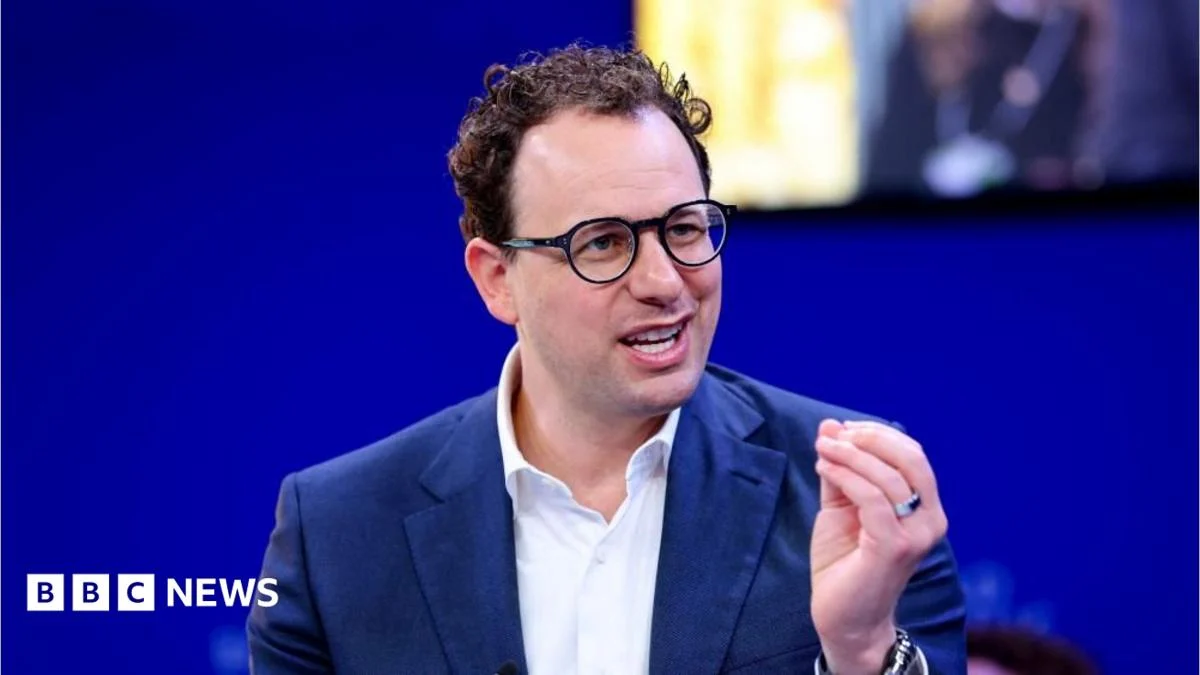
 atisusanti
 Ramos Leo