
 Nana Banana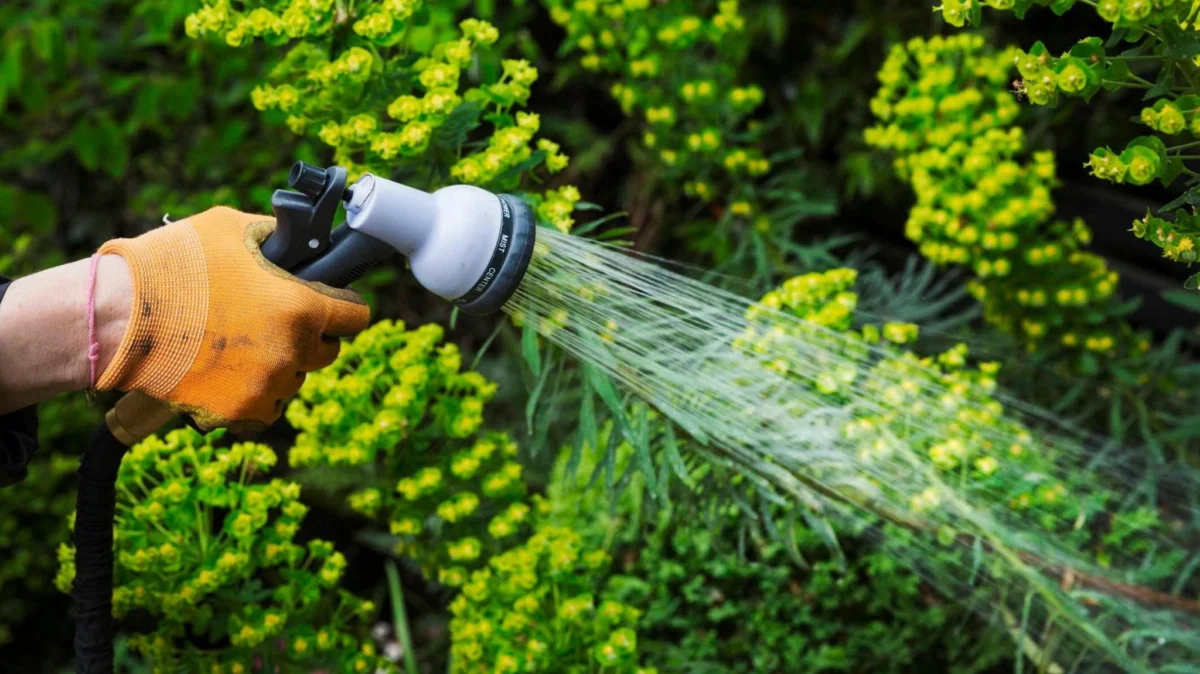
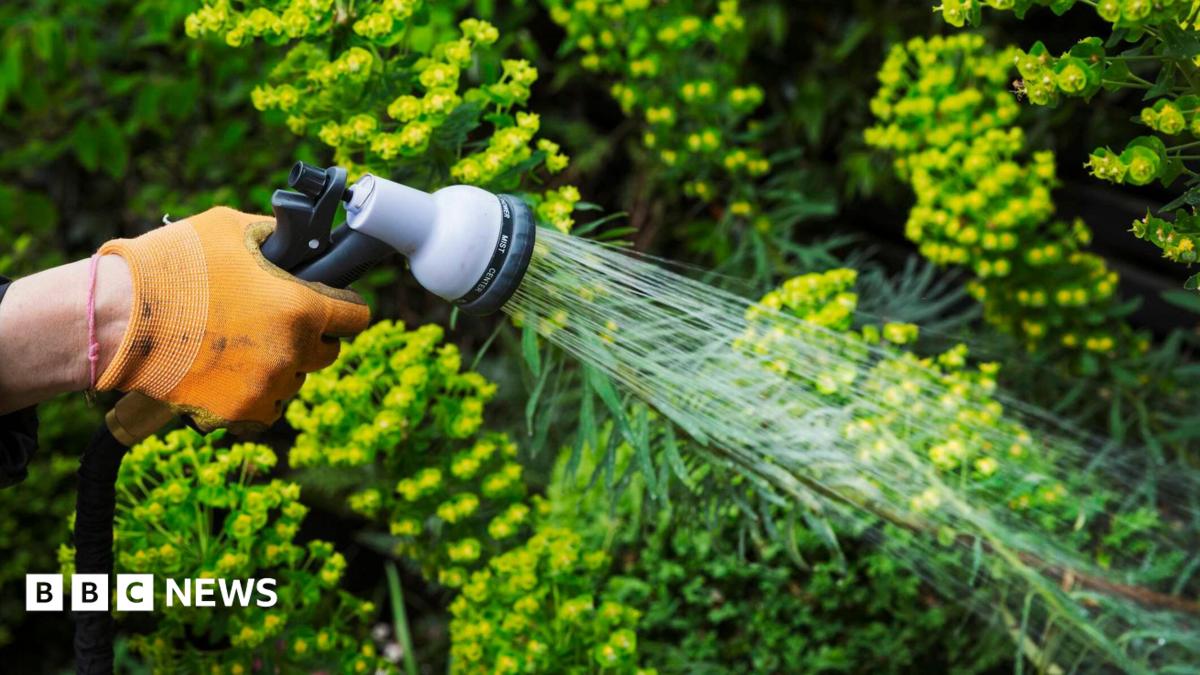
More and more Londoners, and indeed millions across England, are living under a hosepipe ban as a prolonged period of dry weather and unprecedented heatwaves continue to grip the nation. This significant restriction on water usage comes as a direct consequence of soaring public water demand, which has, in some areas, surged by as much as 30% during the hottest days of summer. The confluence of insufficient rainfall, particularly over the preceding spring and early summer months, and record-breaking temperatures has led to rapidly dwindling reservoir levels and increased strain on the infrastructure that treats and supplies water.
Currently, seven water companies have either implemented or announced future hosepipe bans, officially known as Temporary Use Bans (TUBs), to alleviate the immense pressure on their treatment works and storage facilities during peak demand. Among the most prominent are Thames Water, serving a vast area including London and the Thames Valley, and Affinity Water, which supplies parts of London and the South East. While some, like SES Water, have indicated no immediate plans for a ban, the escalating severity of the drought across many regions suggests that more companies could follow suit if conditions do not improve. The imposition of these bans underscores a critical challenge: ensuring sufficient water supply for essential needs amidst a changing climate and growing population.
Understanding the Scope: What Does This Ban Cover and Who is Exempt?
Thames Water, for instance, has imposed a temporary usage ban affecting a staggering 10.1 million customers. This far-reaching measure is a direct response to the sustained high demand for water, exacerbated by recent heatwaves and the prolonged dry spell that has characterised the spring and summer seasons.
The restrictions are comprehensive, primarily targeting non-essential outdoor water usage. This means hosepipes should unequivocally not be used for a range of activities including:
- Watering gardens: This applies to private gardens, lawns, and plants using a hosepipe.
- Washing cars: Cleaning private vehicles with a hosepipe is prohibited.
- Watering allotments: While often considered productive, hosepipe use for allotments falls under the ban.
- Filling domestic paddling pools or swimming pools: This includes hot tubs and ornamental ponds that are not home to aquatic life.
- Cleaning windows: Using a hosepipe for cleaning exterior windows of a domestic property.
- Cleaning walls, paths, and patios: Any domestic outdoor surface cleaning with a hosepipe is restricted.
- Operating sprinkler systems: Automatic or manual sprinkler systems for lawns or gardens are also explicitly part of these restrictions.
However, there are crucial exemptions to these rules, designed to balance water conservation with genuine needs and public safety. While specific exemptions can vary slightly between water companies, common allowances include:
- Health and Safety: Using a hosepipe for purposes essential to health or safety, such as cleaning up a hazardous spill.
- Disability: Individuals holding a Blue Badge or those with a recognised disability may be exempt for specific garden watering needs if they cannot physically use a watering can.
- Vulnerable People: Watering new lawns, plants, or existing gardens if undertaken by a professional gardener on behalf of a vulnerable person.
- Commercial Use: As detailed below, certain businesses are exempt where water is integral to their operations.
- Specific Watering Needs: Watering plants that are part of a National Plant Collection or those that are grown for sale.
- New Lawns: Watering newly laid turf for up to 28 days after installation, provided it was laid before the ban came into effect, is sometimes permitted.
- Livestock: Using a hosepipe for drinking water for livestock or domestic animals.
- Public Amenities: Filling or maintaining a pond for fish or other aquatic animals.
The Royal Horticultural Society (RHS) offers invaluable advice for gardeners navigating hot weather and hosepipe restrictions. They strongly recommend prioritising the use of stored rainwater, perhaps collected in water butts, or ‘grey water’ from baths and washing-up, where appropriate and safe for plants. When watering is permitted, or for essential plants, the RHS advises watering deeply but less frequently, directly at the base of plants rather than shallowly and often, which encourages surface roots. Guy Barter, chief horticulturalist at the RHS, highlights the necessity of adaptation: "As our climate continues to change, adapting how we manage water is essential." He encourages visiting RHS Gardens to observe drought-tolerant species and seek expert advice. Beyond immediate measures, planting more drought-tolerant species, enriching soil health with organic matter to improve water retention, and increasing tree cover and shade are vital long-term strategies to make gardens more resilient to future climatic challenges.
Implications for Businesses and Public Spaces
The impact of hosepipe bans extends beyond individual households to various commercial and public sector entities. Generally, businesses, public sector organisations, and charities are permitted to continue using a hosepipe where it is directly and demonstrably needed for their core commercial activities. This critical distinction ensures that essential services and livelihoods are not unduly hampered. For example, professional window cleaners and car washing services, for whom water is an integral part of their commercial operation, are typically exempt. Similarly, nurseries growing plants for sale, market gardens, or agricultural enterprises relying on irrigation for food production are usually not subject to these bans.
However, the restrictions do apply to the aesthetic watering of public spaces. Hoses and sprinklers cannot be used in parks, public gardens, and other green spaces for general watering purposes. Nevertheless, exemptions exist for maintaining public health and safety, or for the preservation of significant collections such, as National Plant Collections, which hold scientific or heritage value. Kew Gardens, a world-renowned botanical institution in Richmond, west London, falls under these exemptions. Its horticulturists, however, already implement rigorous water management strategies, utilising recycled water where possible, selecting drought-resistant species, and employing efficient irrigation techniques to conserve water for its more than 11,000 trees and vast living collections. This proactive approach by institutions like Kew demonstrates best practices in water stewardship even outside of ban conditions.
Duration and Enforcement of the Ban
A key question for affected customers is: "How long will the ban be in place?" Unfortunately, there is rarely an immediate or definitive end date set for these bans. Water companies that have implemented these restrictions typically state that they will remain in effect until water resources have recovered sufficiently, meaning reservoir levels are replenished, groundwater sources are recharged, and river flows return to sustainable levels. Furthermore, the demand for water must also return to a sustainable level, indicating a sustained period of reduced consumption. The lifting of a ban is contingent on future rainfall patterns, customer compliance, and the overall hydrological situation, making it inherently uncertain. In the interim, companies strongly urge customers to be acutely mindful of their water usage, even for essential activities, to help accelerate the recovery process.
Regarding enforcement, water companies generally adopt a graduated approach. They will first attempt to engage with customers who are observed repeatedly flouting the rules, offering advice and explanations. If non-compliance persists, further action, which can include fines, may be taken. The legal basis for these bans stems from the Water Industry Act 1991, which grants water companies the power to prohibit certain uses of water during periods of drought or water shortage. It is crucial to remember, as Thames Water and others emphasise, that customers should not contact emergency services like 999 if they witness someone using a hosepipe. Instead, they are typically directed to report breaches directly to the water company through their dedicated channels. The primary goal of these bans is collective conservation, not punitive measures, as companies reiterate: "While there is enough water for essential use, we need to reduce non-essential outdoor demand to keep taps flowing."
The Elephant in the Room: Water Lost Through Leaks
While hosepipe bans place the onus of conservation squarely on consumers, a significant point of contention and public frustration revolves around the amount of water lost through leaky infrastructure. Environmental organisations, such as Greenpeace UK, have highlighted this disparity, asserting that water firms in England and Wales are wasting an alarming amount of water through leaky pipes – potentially five times more than a nationwide hosepipe ban could save. This perspective suggests that while individual efforts are important, the systemic issue of leakage represents a colossal waste of a precious resource.
Water companies, including Affinity Water and Thames Water, acknowledge the problem and state that they are continuously investing in finding and fixing leaks. Thames Water, for example, reported a 15.1% reduction in leaks compared to its 2019/20 baseline. They highlight their teams working "24/7 to keep water moving, fix leaks and support customers." While these efforts are ongoing, critics argue that the pace of improvement is too slow given the scale of the problem. Ofwat, the water services regulation authority for England and Wales, sets leakage targets for companies, but many have historically struggled to meet them. The public perception often struggles to reconcile calls for individual conservation with the visible evidence of significant infrastructure failure, leading to a breakdown in trust and a diminished willingness to comply with restrictions.
The issue of leakage is not merely about old pipes; it’s a complex challenge involving aging infrastructure, increasing pressure from population growth, and the sheer volume of underground pipe networks. Modern solutions involve advanced analytics, satellite imagery, and acoustic sensors to detect leaks more efficiently, but the capital investment required to overhaul and maintain these networks is substantial. Addressing this effectively requires not only technological solutions but also sustained financial commitment and robust regulatory oversight to ensure that companies prioritise leakage reduction alongside other operational goals.
Beyond the Ban: Long-Term Solutions and Future Outlook
The increasing frequency and severity of hosepipe bans serve as a stark reminder of the urgent need for a more resilient and sustainable approach to water management. Climate change is predicted to bring more extreme weather patterns, including more frequent and intense droughts, particularly in the south and east of England. This necessitates a multi-faceted strategy that extends far beyond temporary usage bans.
Long-term solutions must include significant investment in new water infrastructure, such as new reservoirs to increase storage capacity, and potentially desalination plants, although these are energy-intensive and carry environmental considerations. Inter-basin water transfer schemes could help move water from areas of surplus to areas of deficit. Equally important are demand-side management strategies, including the widespread adoption of smart metering to help consumers monitor and manage their water use, and enhanced public education campaigns promoting water efficiency in homes and businesses. Incentives for rainwater harvesting and domestic greywater recycling systems could also play a role in reducing reliance on mains water.
Ultimately, the responsibility for securing future water supplies is shared. Water companies must accelerate their efforts to reduce leakage and invest in robust infrastructure. Regulators like Ofwat must hold them accountable and set ambitious, enforceable targets. The government needs to develop a comprehensive national water strategy that addresses the challenges of climate change, population growth, and environmental protection. And finally, individual consumers, while frustrated by leakage, must also embrace a culture of water conservation, recognising that every drop saved contributes to the collective effort to ensure a secure water future for all.




 Roy Suryo

 Nakalama John
 atisusanti
 Ramos Leo
