
 Nana Banana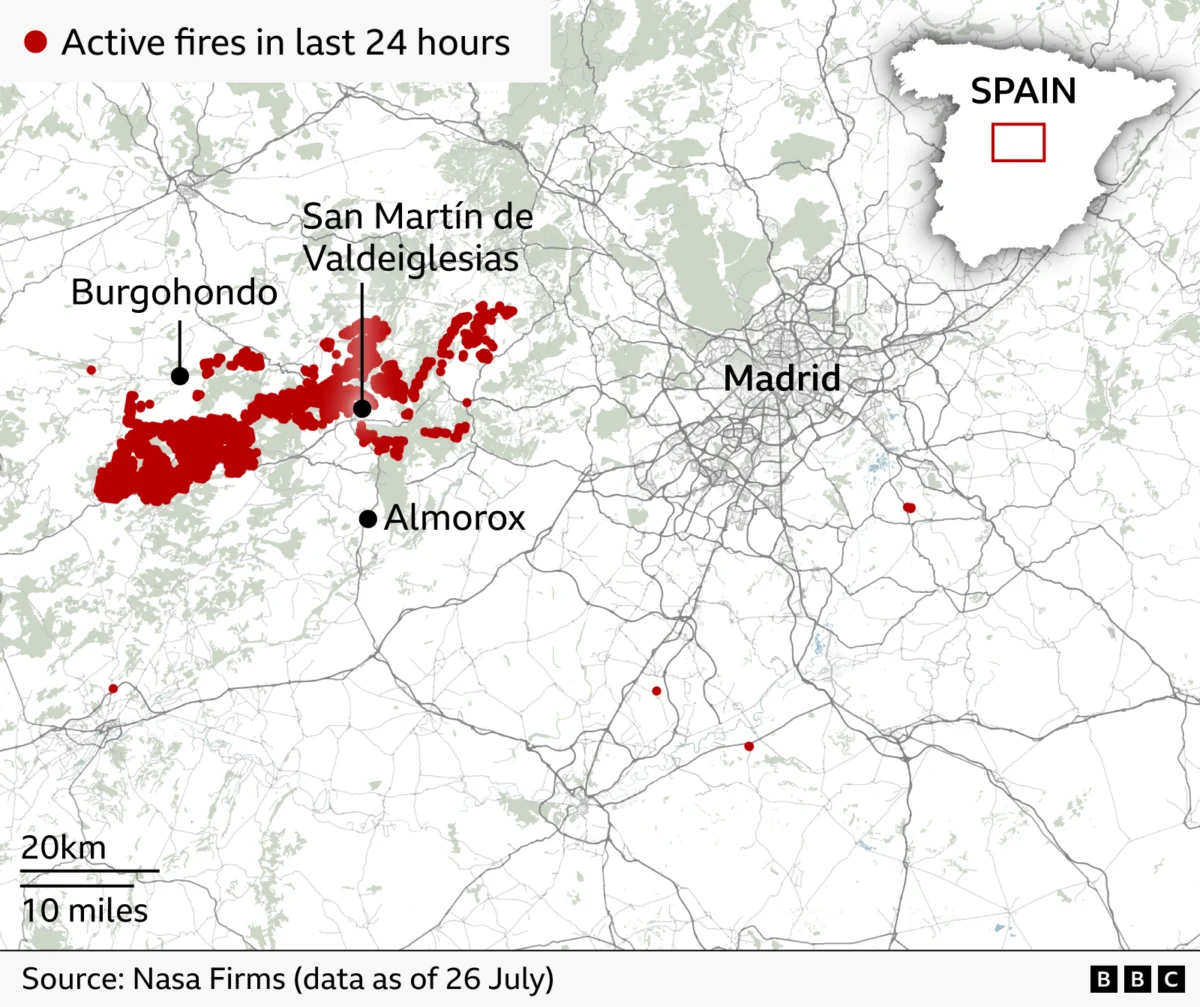
The past week has witnessed an unprecedented escalation of wildfires across Europe, with France and Spain bearing the brunt of the crisis. Over 330,000 people have already been forced to evacuate their homes across both nations, fleeing fast-moving flames and choking smoke. President Macron, speaking on Saturday, vowed that France would "rebuild" from the devastation, assuring citizens of his government’s unwavering support "for as long as is needed." However, the immediate challenge remains containment. France’s Interior Minister Laurent Nuñez described the situation as "very unfavorable," highlighting the fire’s "erratic" movement towards Bordeaux and the surrounding urban areas. The meteorological outlook offers little solace, with forecasts predicting temperatures could soar to 40°C in some parts of the country from Tuesday, creating ideal conditions for further fire propagation and complicating the valiant efforts of firefighters.
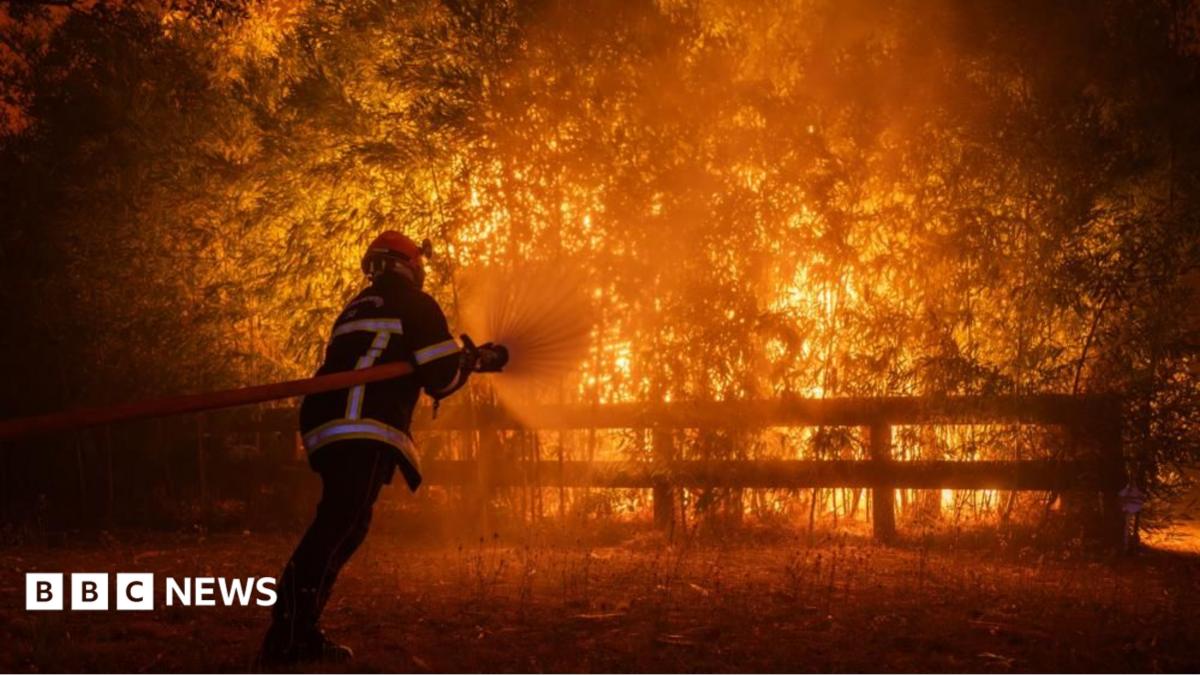
The heart of the French crisis lies in the vast Gironde region, where a monumental fire has spawned an unprecedented "pyrocumulonimbus" cloud formation. This extraordinary phenomenon, described by the National Firefighters Federation of France (FNSPF), is essentially a fire-generated thunderstorm, fuelled by the immense heat and convection currents of the blaze itself, capable of creating its own winds and lightning. This terrifying self-sustaining weather system makes the fire’s behavior incredibly erratic and unpredictable, posing immense challenges for fire suppression teams. Eric Brocardi, a spokesperson for the FNSPF, articulated the desperate struggle: "We don’t know how the blaze will spread, the fire front is constantly shifting. We cannot fight it directly." He likened the battle to a "David-versus-Goliath scenario," emphasizing the overwhelming power of the inferno. Brocardi further noted that effective control of the blaze would necessitate "heavily for three days" of rain, or require firefighters to strategically steer it towards a natural barrier, such as the Atlantic coast, where it might eventually exhaust itself.
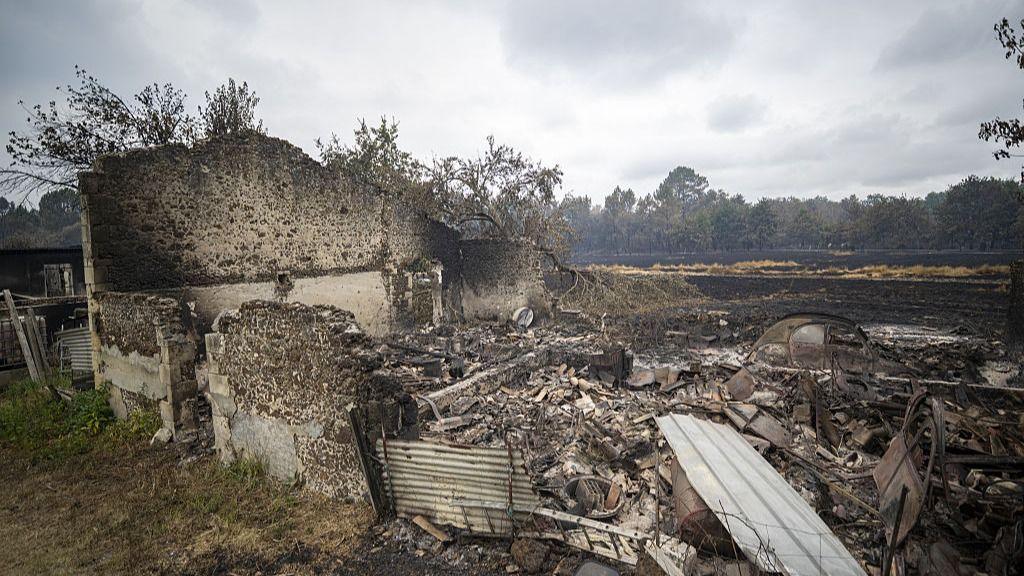
The scale of destruction in France is staggering. Approximately 42,000 hectares have been scorched in the southwest alone, marking one of the largest forest fires to devastate the country since World War Two. Across the nation, a grim total of 98,000 hectares has been consumed by flames since the beginning of the year, painting a stark picture of ecological and economic loss. The human toll is also significant, with over 220,000 people evacuated from the southwestern regions, many leaving behind homes, livelihoods, and cherished possessions, uncertain of what they will return to. The iconic pine forests of the Landes de Gascogne, a vital ecological and economic asset, have been particularly hard hit, raising concerns about long-term environmental recovery and the impact on the region’s timber industry and vital tourism sector. The proximity to Bordeaux, a globally renowned wine-producing region, also raises alarms about potential damage to vineyards and the wider agricultural economy.
Meanwhile, Spain is grappling with its own relentless wave of fires. Firefighters on Sunday were engaged in a fierce battle against a new, formidable blaze near the eastern coastal city of Valencia, leading to the forced evacuation of around 15,000 residents from their homes. Pilar Bernabe, the central government’s delegate to Valencia, warned that the fire’s intensity had been "very intense" and that weather conditions were anticipated to deteriorate further, presenting an uphill struggle for emergency services. Spain’s Interior Minister Fernando Grande-Marlaska, slated to visit the affected areas in Valencia on Monday, acknowledged the slow but steady advance of the fires, signaling "difficult hours lie ahead." Prime Minister Pedro Sanchez, during a visit to the fire zone in Ávila province west of Madrid, seized the moment to issue a powerful call for "a major public pact on the climate emergency," emphasizing the urgent need for collective action to address the root causes of such catastrophic events. Adding to the national somber mood, King Felipe VI toured an emergency shelter in Villamanta, southwest of the capital, remarking that the wildfires had inflicted "incalculable" damage to Spain’s invaluable natural heritage.
The environmental devastation in Spain is equally profound. Sara Aagesen, minister for ecological transition, reported on Sunday that around 77,000 hectares have been affected by fires across the country. She further highlighted that the wildfire burning in the Ávila region stands as the largest in Spain’s recent history, a grim indicator of the escalating crisis. The human stories behind these statistics are heartbreaking. Olga Congacha, a 50-year-old resident, recounted her panicked evacuation from her village of Robledo de Chavela, west of Madrid. "I didn’t know whether to cry or what. It was a moment when you feel awful," she shared, expressing the profound emotional distress of being suddenly uprooted. Briefly returning to her home on Sunday to retrieve essential medicine, she found deserted streets and her house blanketed in ash, a stark testament to the fire’s immediate aftermath. Near Madrid, authorities confirmed that strong winds were pushing wildfires south, away from the capital itself, but this shift necessitated the evacuation of more villages in their path. In total, more than 90,000 people have been evacuated from the regions surrounding Madrid and Ávila, joining the growing ranks of those displaced by Europe’s summer of fire.
These widespread and intense wildfires across France and Spain are not isolated incidents but rather stark manifestations of a broader climate emergency gripping Europe. Record-breaking heatwaves, prolonged droughts, and strong winds have created a tinderbox environment, transforming once-resilient landscapes into highly combustible fuel. Scientists widely attribute the increased frequency and intensity of such extreme weather events to climate change, warning that without drastic measures to reduce greenhouse gas emissions, these catastrophic scenarios will become the new norm. The strain on emergency services across multiple European nations is immense, with firefighters working tirelessly, often in perilous conditions, to protect lives and property. Beyond the immediate destruction, the long-term economic consequences for these regions are considerable, impacting agriculture, tourism, and infrastructure, while the ecological damage to biodiversity and forest ecosystems will take decades, if not centuries, to recover. As leaders like Macron and Sanchez call for resilience and action, the fires serve as a visceral reminder of the urgent, interconnected challenges posed by a warming planet.



 Roy Suryo

 Nakalama John
 atisusanti
 Ramos Leo
